
Yes, a backpack can be carry on as long as it fits within the airline’s size limits for overhead bins or under-seat storage. You should verify your specific airline’s dimensions before heading to the airport. Check your flight confirmation email or the airline’s website to confirm the allowed measurements.
Backpack carry on size limits
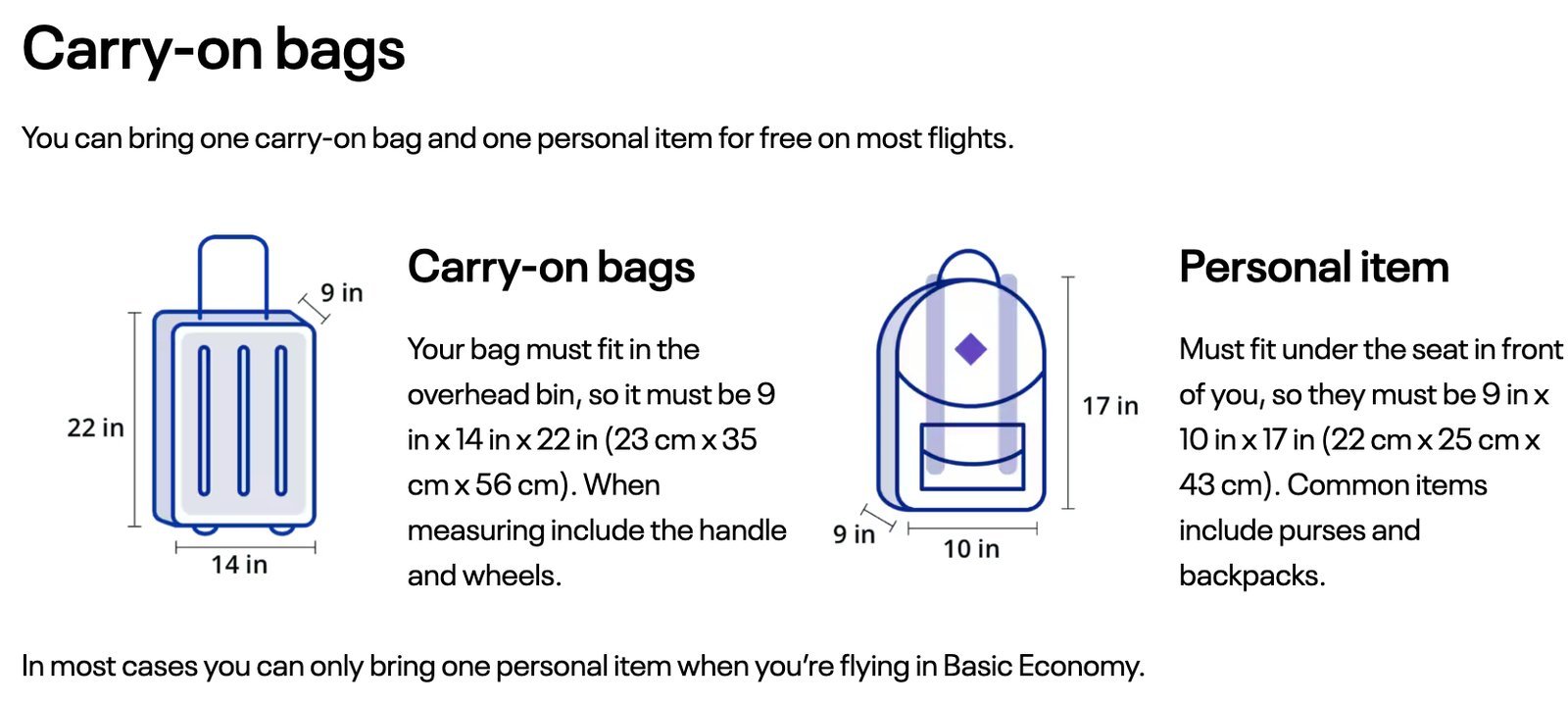
Most major carriers have specific requirements for what you can bring into the cabin. The following table shows typical situations where your bag will be accepted or rejected.
| Your situation | Answer | Why |
|---|---|---|
| Bag fits under seat | Yes | Fits standard space |
| Bag exceeds dimensions | No | Must be checked |
| Bag is over weight | No | Airline safety limits |
| Bag has sharp tools | No | Security prohibited items |
| Laptop in bag | Yes | Allowed in cabin |
| Bag is soft-sided | Yes | Easier to squeeze |
What decides the size limit
The main factor that decides if your bag is allowed is the specific size limit set by your airline. Airlines use these limits to ensure every passenger has enough space in the overhead bin or under the seat in front of them. If your bag is too large, it won’t fit, which forces the airline to check it at the gate. This can lead to extra fees or delays during boarding.
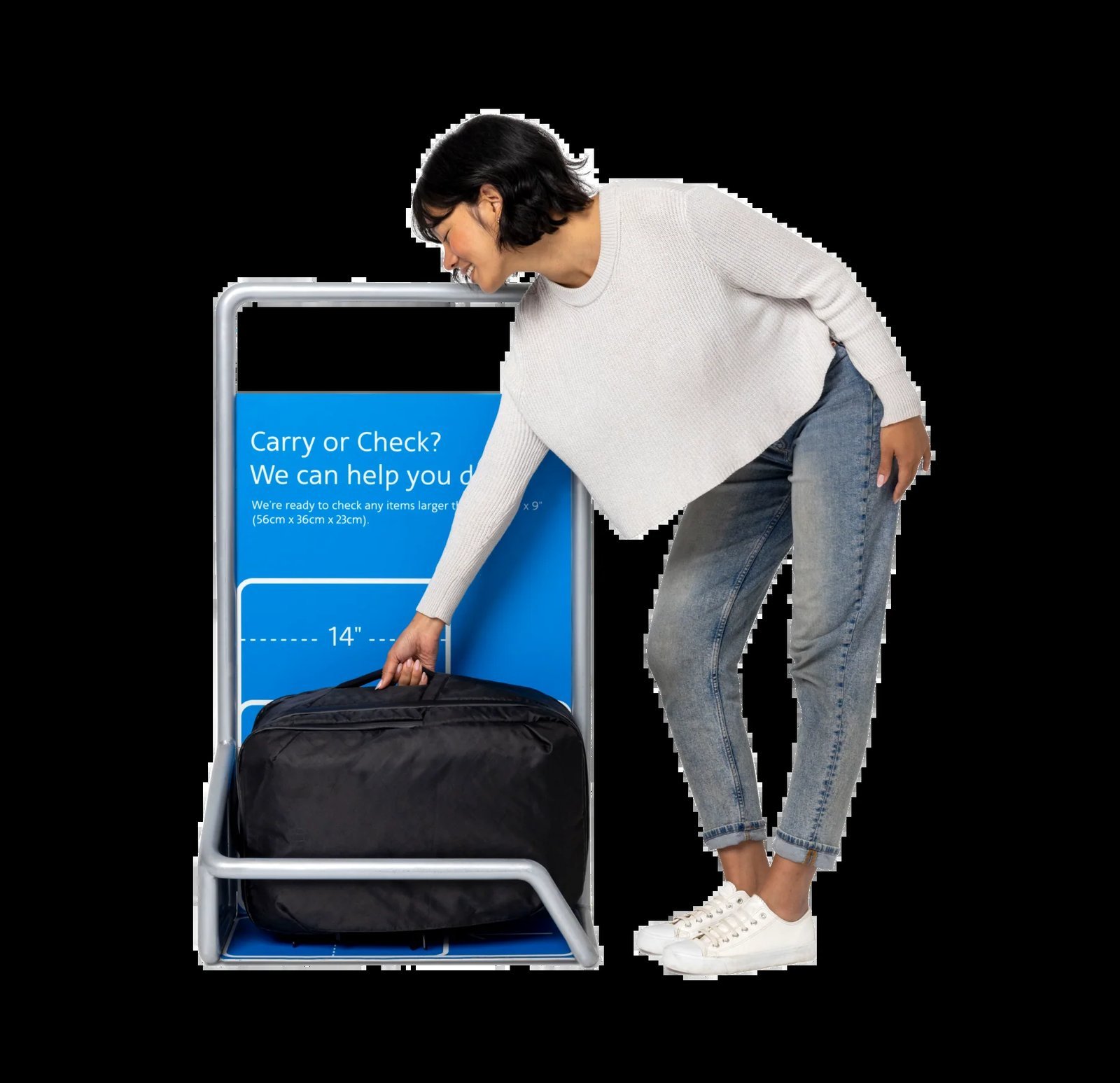
Every airline publishes its own carry-on baggage policy on its official website that dictates the maximum height, width, and depth permitted. You can usually find these numbers on the “Baggage” or “Travel Information” page of their official website. If your bag is a few inches over the limit, it’s often treated as a checked bag. If the airline’s dimensions are smaller than your bag, don’t attempt to force it into the sizer at the gate.
Packing your bag for the cabin
When you prepare to travel with your backpack, follow these steps to ensure you pass through security smoothly.
- Measure your bag empty. Use a tape measure to check the height, width, and depth against the airline’s specific requirements.
- Remove all prohibited items. Take out any liquids over 3.4 ounces, sharp objects, or tools that aren’t permitted in the cabin.
- Pack heavy items at the bottom. Place your heaviest gear at the base of the bag so it stays balanced and fits easily under the seat.
- Use compression straps. Tighten the side straps to shrink the overall volume of your pack if it’s slightly over the limit.
- Keep electronics accessible. Place your laptop or tablet in an outer pocket so you can pull it out quickly at the security checkpoint.
The mistake people make
The most common mistake is failing to account for the bag’s external pockets when measuring. Many people measure only the main compartment, but gate agents measure the entire bag including bulging pockets and hanging items. This often results in a bag that’s technically too large, costing you a gate-check fee that’s more expensive than the alternative depending on the carrier. To avoid this, always measure the bag when it’s fully packed and zipped shut. If it looks full or rigid, it will likely be measured against the airline’s rigid metal sizer box at the gate.
When to stop and get help
Some situations require professional assistance rather than a DIY approach. If you’re unsure about these points, contact the airline’s customer service desk:
- The bag is medical equipment, which may require special clearance or documentation.
- You’re carrying lithium batteries over the allowed watt-hour limit, which poses a fire risk.
- The backpack is a large hiking pack with a rigid metal frame that exceeds standard dimensions.
Airlines have specific rules for specialized items, and ignoring them can lead to your bag being denied at the gate.
Frequently asked questions
How big can a backpack be for carry on?
Most domestic airlines allow a maximum size of 22 x 14 x 9 inches, including wheels and handles. Check your airline’s specific website, as low-cost carriers often have stricter, smaller limits for carry-on items.
Is it safe to put a laptop in my backpack?
Yes, it’s safe to keep your laptop in your backpack provided you use a protective sleeve or a dedicated padded compartment. You must remove it from the bag during the security screening process.
What happens if my backpack is too big?
If your backpack is too big, the airline will require you to check it into the cargo hold, often for a fee. This is common if the flight is full and overhead bin space is limited.
Can I bring two bags?
Most airlines allow one carry-on bag and one personal item, such as a smaller backpack or purse. Check your ticket class, as some basic economy fares only include one small personal item.
Does the weight of the backpack matter?
Yes, some international airlines enforce a weight limit, typically between 15 and 22 pounds. Always check your booking details, as exceeding this weight will force you to pay for checked baggage.
How do I measure my backpack correctly?
You should measure the longest side, the widest side, and the deepest side while the bag is fully packed. Include any protruding parts like side pockets, straps, or external frames in your final measurement.
Conclusion
Check your airline’s baggage page first to see their exact dimensions. If your bag fits within those numbers, you can proceed to the airport with confidence. If you see the bag is clearly larger than the metal sizer at the airport gate, plan to check it beforehand to avoid extra fees.
Related guides