
Usually not, because a 55l backpack is almost always too large to qualify as a standard carry on item for most airlines. You’ll likely need to check this bag at the gate or the ticket counter. Check your airline’s specific size limits before heading to the airport.
Carry on rules for your backpack
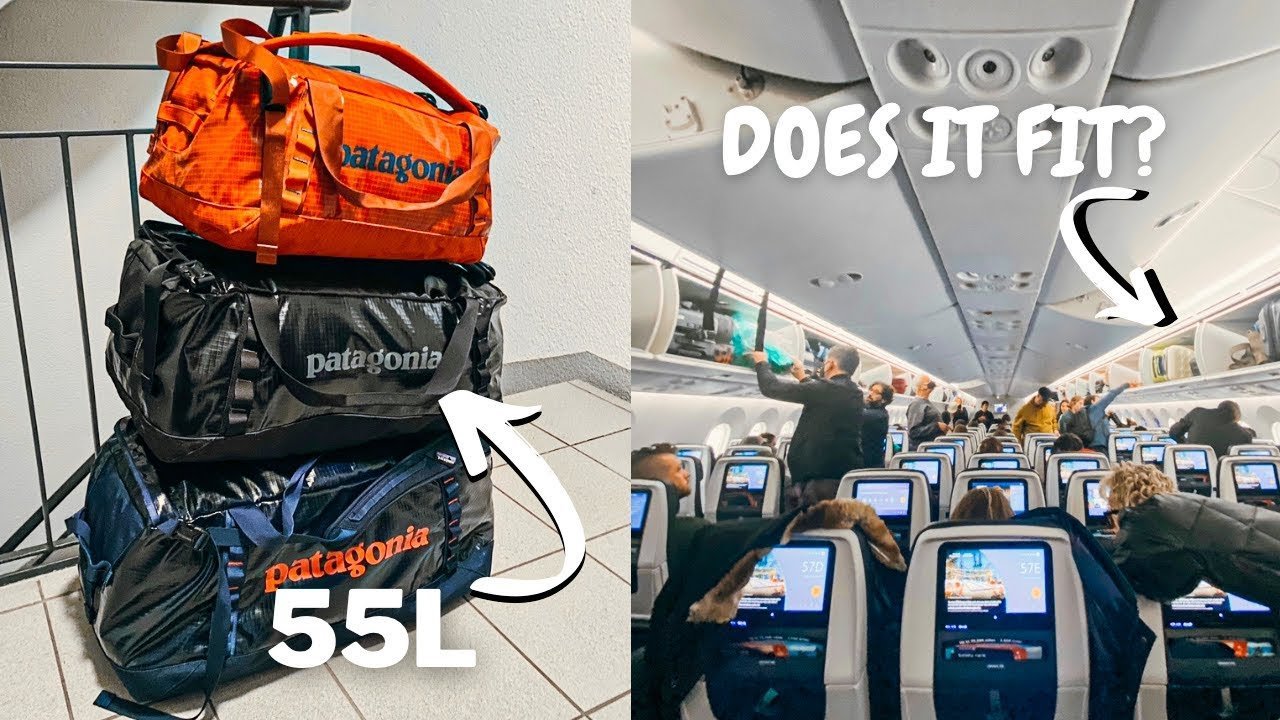
Most major airlines restrict carry on bags to dimensions around 22 x 14 x 9 inches. A 55l backpack, even when not fully packed, typically exceeds these linear dimensions. The following table provides a general guide for how different bag sizes compare to standard airline rules.
| Bag Size | Carry On Status | Reason |
|---|---|---|
| Under 40l | Usually Yes | Fits within standard size limits |
| 40l – 45l | Sometimes | Depends on frame and compression |
| 50l – 55l | Usually No | Exceeds height or depth limits |
| Over 60l | Never | Too bulky for overhead bins |
What decides the fit
The primary factor is the physical frame of the backpack. Many 55l bags include an internal metal or plastic frame that can’t be folded or compressed to fit into a luggage sizer. Even if you pack it lightly, the rigid structure remains too tall or wide for the overhead compartment. Airlines enforce these limits to ensure every passenger has space for their luggage. The Transportation Security Administration provides guidance on general travel items, but airline-specific size restrictions are set by each carrier. If your bag exceeds the linear inch limit, you must check it; if it’s within the limit but heavy, you may still be asked to check it if it exceeds the weight allowance.
Traveling with a large backpack
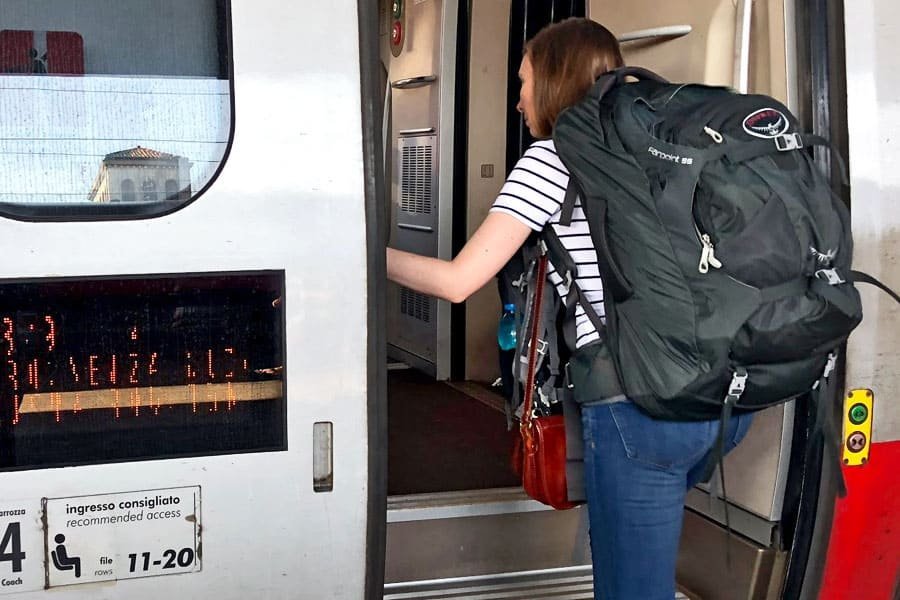
If you choose to use a 55l pack despite the size risks, follow these steps to minimize trouble at the airport:
- Remove all external gear: Take off any sleeping pads, trekking poles, or loose straps that add to the exterior profile of the bag.
- Use compression straps: Pull all side and front straps as tight as possible to shrink the depth of the bag.
- Pack light for flexibility: Keep the top portion of the bag empty so you can fold the fabric down if a gate agent asks you to test the size.
- Remove heavy items: Move electronics and heavy items to a smaller personal item bag to keep the weight under the airline’s limit.
- Check the bag early: If the flight is full, be prepared to gate-check the bag voluntarily to avoid a last-minute fee at the boarding desk.
The common packing mistake
The most common mistake is assuming that volume in liters translates directly to physical dimensions. A 55l bag might be tall and thin or short and wide, and a tall bag will fail a sizer test even if its total volume is low. This mistake often results in a surprise gate-check fee, which can be quite costly depending on the airline’s policy. Always measure the height, width, and depth of your bag while it’s fully loaded to see if it meets the specific airline guidelines listed on their website.
When to stop and get help
Some situations require you to stop trying to force the bag into the cabin.
- The bag has a rigid, non-removable frame that exceeds the airline’s height limit.
- You’re flying on a small regional aircraft where overhead bins are significantly smaller than on larger jets.
- The total weight of your gear exceeds the airline’s weight limit, which is typically 22 pounds for international carriers.
In these cases, you should check the bag at the counter to avoid boarding delays or potential damage to your equipment.
Frequently asked questions
Can I carry on my 55l backpack if it’s half empty?
Usually no, because the rigid frame of a 55l pack remains the same size regardless of how much you put inside, which prevents it from fitting into the airline’s metal luggage sizer.
How do I measure my backpack for carry on?
Measure the height, width, and depth in inches while the bag is fully loaded, then compare those three numbers against the maximum dimensions provided on your airline’s official website.
Is it safe to gate check a 55l backpack?
It’s generally safe, but you should use a protective travel cover or duffel bag to prevent the backpack’s straps and buckles from getting caught or broken by conveyor belts during handling.
What happens if my backpack is too big at the gate?
You’ll be required to check the bag into the cargo hold, which often involves paying a fee at the gate that’s higher than the price of checking it at the ticket counter.
Does it matter if I have a premium ticket?
It rarely matters for size limits, as overhead bin space is a physical constraint that applies to all passengers regardless of the fare class or loyalty status you hold.
How long does it take to check a bag at the airport?
Checking a bag usually takes 5 to 10 minutes at the ticket counter, though you should arrive at least 2 hours before your flight to account for potential lines.
Is a 55l pack considered a personal item?
No, a 55l pack is far too large to be a personal item, which must fit under the seat in front of you and typically measures around 18 x 14 x 8 inches.
Conclusion
Before you head to the airport, measure your bag’s rigid frame dimensions and compare them to your airline’s specific limits. If the bag is clearly too large, plan to check it at the counter to save time. Stop trying to carry it on if the frame doesn’t fit.
Related guides