
Yes, a 22 inch suitcase is a carry on for most major airlines, provided it meets specific weight requirements. This length typically includes the wheels and handles, which are part of the total dimensions measured by airline staff at the boarding gate.
Standard Carry-On Size Limits

Most international and domestic airlines allow passengers to bring one carry-on bag and one personal item into the cabin. A 22-inch bag usually fits within the standard size allowance of 22 x 14 x 9 inches, which is the baseline limit for many major carriers.
- Standard Size: 22 x 14 x 9 inches (56 x 36 x 23 cm) is the most common limit.
- Measurement: Always measure from the floor to the top of the handle, including the wheels.
- Weight Limits: Some airlines enforce a weight limit, often between 15 and 22 pounds (7 to 10 kg).
- Soft-Sided Bags: These are easier to squeeze into tight overhead bins than rigid hard-shell suitcases.
- Personal Item: If your suitcase is checked at the gate, keep your valuables and documents in a separate personal item.
- Gate Checking: If overhead bins are full, your bag might be checked to the final destination for free.
Why Size Constraints Exist
Airlines set strict limits on baggage because of the physical geometry of aircraft overhead bins. Every plane model features bins designed to hold a specific volume of luggage, and these spaces vary significantly between a small regional jet and a large wide-body aircraft. The Transportation Security Administration provides guidelines on how items are handled during screening, but the specific size limits for carry-on bags are determined by the individual airline’s internal policies.
When passengers bring bags that exceed these dimensions, the bins can’t close properly. This creates a safety hazard during takeoff and landing. If a bin stays open, heavy items can shift or fall, potentially injuring passengers. Because of this, flight crews often require oversized bags to be checked at the gate. This process takes extra time and can cause flight delays, which is why airlines are increasingly strict about measuring bags during the boarding process.
When a 22 Inch Suitcase Is Too Big
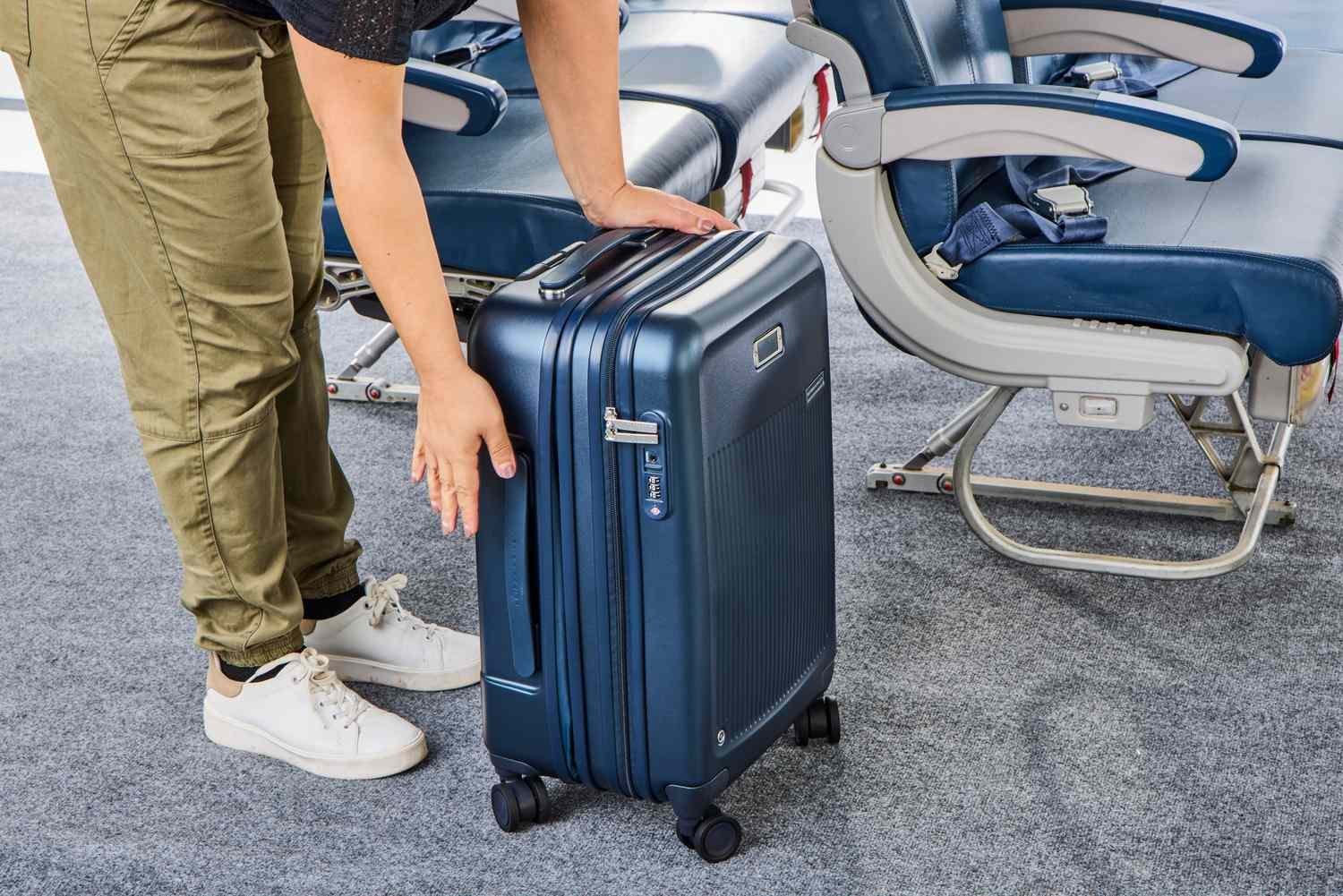
While a 22-inch bag is generally acceptable, certain situations require smaller luggage or will result in your bag being gate-checked.
| Situation | What changes | What to do instead |
|---|---|---|
| Regional jets | Bin size is smaller | Use a soft-sided duffel bag |
| Budget airlines | Stricter size enforcement | Measure and weigh before arrival |
| International flights | Lower weight limits | Pack lighter or check a bag |
| Full flights | Bin space runs out | Be prepared to gate check |
| Premium cabins | More generous allowances | Check airline specific premium rules |
How to Pack Your Carry-On Correctly
To ensure your suitcase passes inspection, you must pack it so it maintains its intended shape and weight. Follow these steps to maximize your space and avoid issues at the gate.
- Measure your suitcase from the very bottom of the wheels to the top of the handle when fully retracted.
- Place your heavy items, such as shoes, at the bottom near the wheels to keep the center of gravity low.
- Use compression cubes to reduce the volume of your clothes, ensuring the bag doesn’t bulge beyond the 9-inch depth.
- Check the total weight of your packed bag on a luggage scale to ensure it remains under the airline’s maximum limit.
- Keep your laptop and liquids in an outer pocket or your personal item for easy access during the security screening.
- Verify the specific dimensions on the airline’s website, as they can change their policy based on the aircraft type being used.
Mistakes That Lead to Gate Checking
- Overstuffing the front pocket: This increases the depth of your bag beyond the 9-inch limit, preventing it from fitting into the sizer.
- Ignoring wheel height: People often measure the main compartment but forget that wheels add 1 to 2 inches to the total height.
- Exceeding weight limits: Even if a bag fits the size box, flight attendants may check it if it’s too heavy to lift safely into the bin.
- Packing fragile items in the main bag: If you’re forced to gate-check your bag, these items are at risk of damage.
Related guides
- Can I Have a Carry On Suitcase and a Backpack on My Flight
- What Size Backpack Can I Bring on a Plane: Airline Rules
- Can I Carry on a Backpack: Airline Rules and Size Limits
Frequently Asked Questions
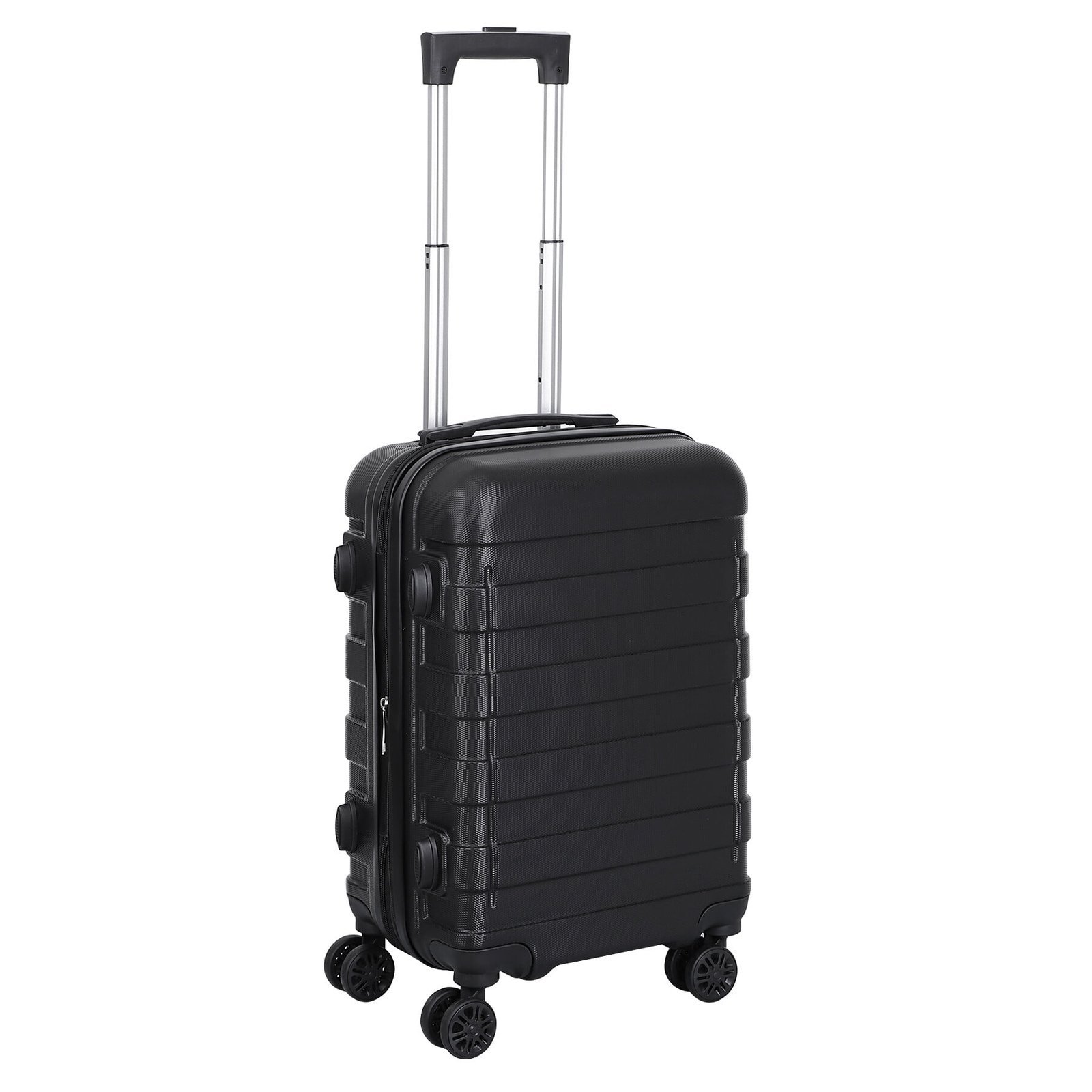
Does the brand of the suitcase matter?
No, the brand doesn’t matter to the airline. They only care about the actual physical dimensions and weight of the bag when it’s placed in their size-check template at the gate.
Is it safe to put a 22 inch bag in an overhead bin?
Yes, it’s safe if the bin closes completely. If the bin doesn’t close, it isn’t safe, and the flight crew will require you to gate-check the bag to ensure it’s stored in the cargo hold.
What happens if my bag is 23 inches tall?
You might be asked to check it. Many airlines have metal templates at the gate; if your bag doesn’t drop into the slot easily, the gate agent will force you to check it, often for a fee.
Do wheels count toward the height?
Yes, wheels and handles count toward the height. Airlines measure the entire outer dimension of the suitcase because that’s the space it occupies inside the bin.
Can I bring a personal item and a 22 inch bag?
Yes, most airlines allow both. The personal item must fit under the seat in front of you, while the 22-inch suitcase is intended for the overhead bin.
How do I know if my bag is too heavy?
You can use a digital luggage scale before you leave home. If you don’t have one, weigh yourself on a bathroom scale while holding the bag, then subtract your own body weight from the total.
Conclusion
If you’re planning a trip, always check the specific baggage policy on your airline’s website before packing. Policies for budget carriers often differ significantly from those of major legacy airlines, and these rules are subject to change based on the specific route and aircraft type scheduled for your flight.