
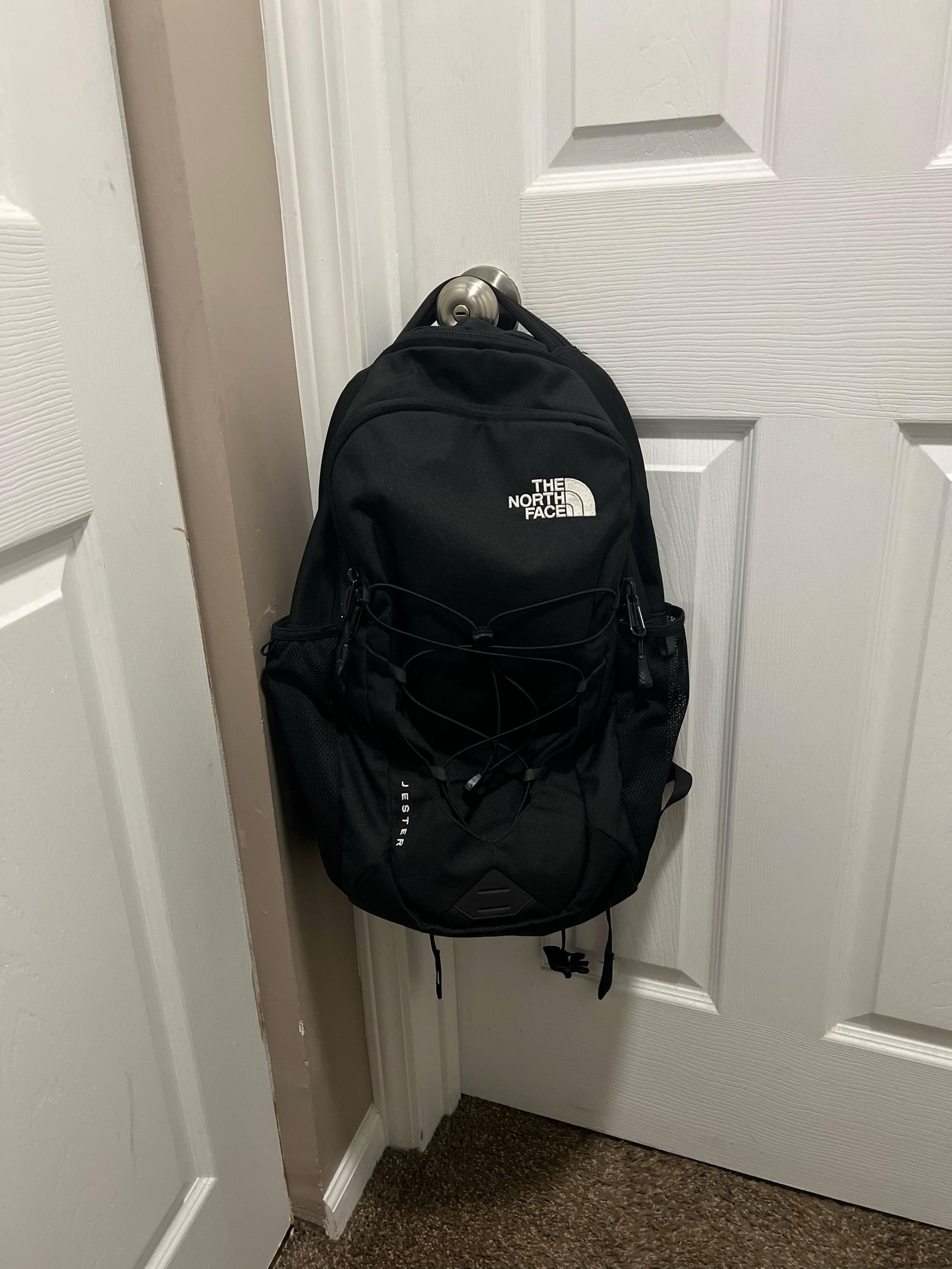
A backpack is considered a carry-on item by almost every airline when it exceeds the dimensions of a personal item. If your bag fits entirely under the seat in front of you, it counts as a personal item; otherwise, it’s a carry-on.
Essential carry-on backpack rules
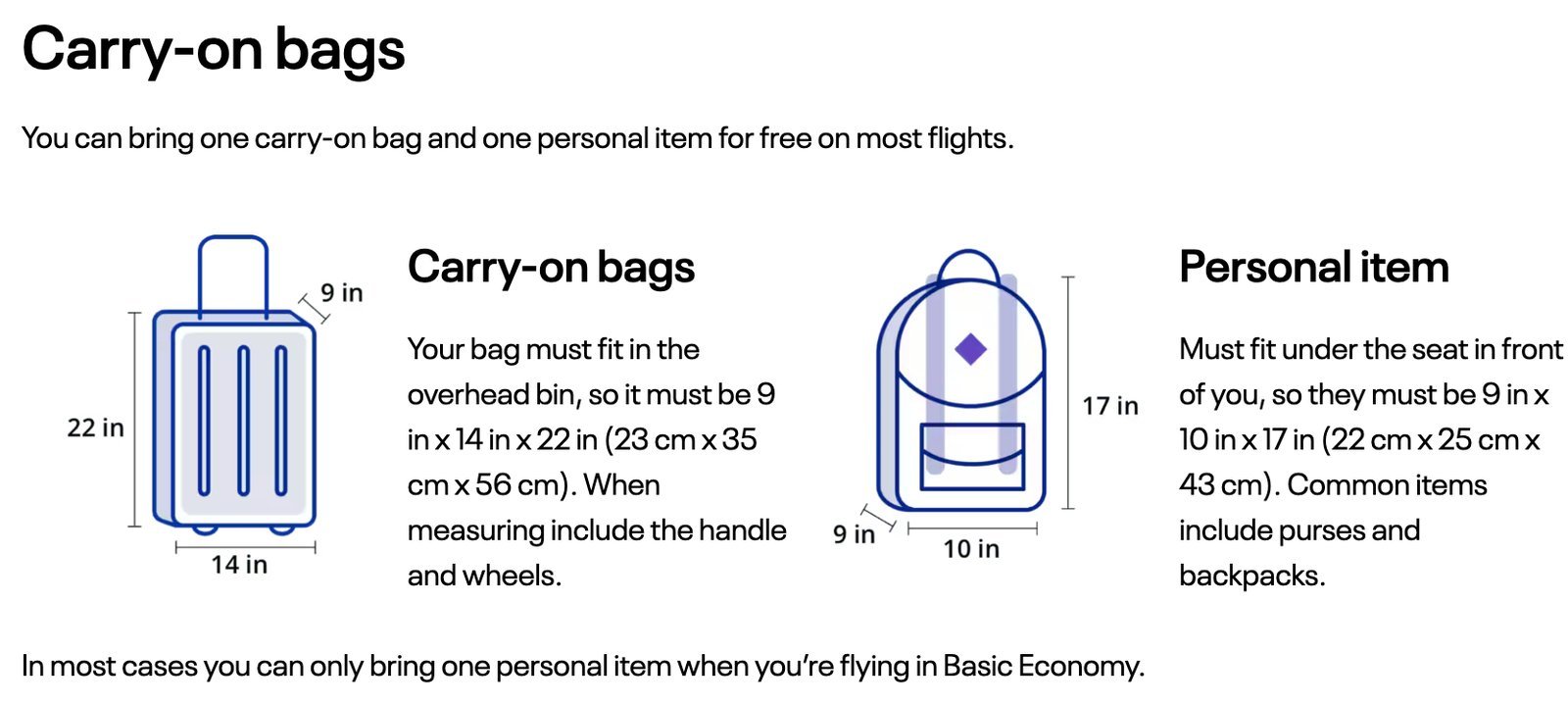
- Most airlines allow one personal item and one carry-on bag per ticketed passenger.
- A personal item must fit under the seat in front of you, typically measuring about 18 x 14 x 8 inches.
- Standard carry-on bags must fit in the overhead bin, usually limited to 22 x 14 x 9 inches including wheels and handles.
- If your backpack is larger than the personal item limit, it counts as your single carry-on allowance.
- You must be able to lift your own bag into the overhead bin without assistance from the flight crew.
- Weight limits for carry-ons vary by carrier, ranging from 15 to 22 pounds on international airlines.
Why airlines regulate backpack size
Airlines enforce strict baggage dimensions to ensure the safety and efficiency of the boarding process. The primary reason for these limits is the physical capacity of the overhead bins and the space beneath passenger seats. When every traveler brings a bag that exceeds these defined spaces, the aircraft can’t safely close its storage compartments, which creates a delay or forces a last-minute gate check. The Transportation Security Administration provides specific guidance on how items must be screened, but the individual airline determines the actual size limits for your specific cabin class. If you’re unsure of your airline’s specific policy, check your boarding pass or the official website for your carrier. Every aircraft model has different bin configurations, so a backpack that fits on a large jet might be too bulky for a smaller regional plane.
When the answer is different
| Situation | What changes | What to do instead |
|---|---|---|
| Basic economy ticket | Carry-on allowance | Bring only a personal item |
| Regional flight | Overhead bin space | Expect to gate-check bag |
| Full flight | Bin availability | Check bag at the gate |
| Small personal item | Storage location | Place under the seat |
| Heavy backpack | Weight restrictions | Remove items to reduce weight |
How to pack your carry-on properly
- Measure your backpack while it’s fully packed to ensure it meets the airline’s dimensions for a carry-on bag.
- Check the airline’s website for their specific overhead bin height, width, and depth requirements for your scheduled flight.
- Place your heaviest items at the bottom of the bag to keep the center of gravity low and stable.
- Remove any liquids, gels, or aerosols over 3.4 ounces, as these must go in checked luggage or be discarded.
- Use compression straps on the outside of your backpack to shrink its profile if it’s slightly over the limit.
- Verify that your bag fits the airline’s metal sizer frame at the airport if you’re worried about its size.
Common mistakes with carry-on bags
- Overstuffing the outer pockets makes the bag too wide to fit into the metal sizer at the gate.
- Assuming a “laptop backpack” is automatically a personal item often leads to unexpected fees at the boarding gate.
- Ignoring the weight limit can result in a forced check, even if the bag fits the size dimensions perfectly.
- Failing to measure the bag including its external frame or water bottle holders results in a bag that’s technically too large.
Frequently Asked Questions
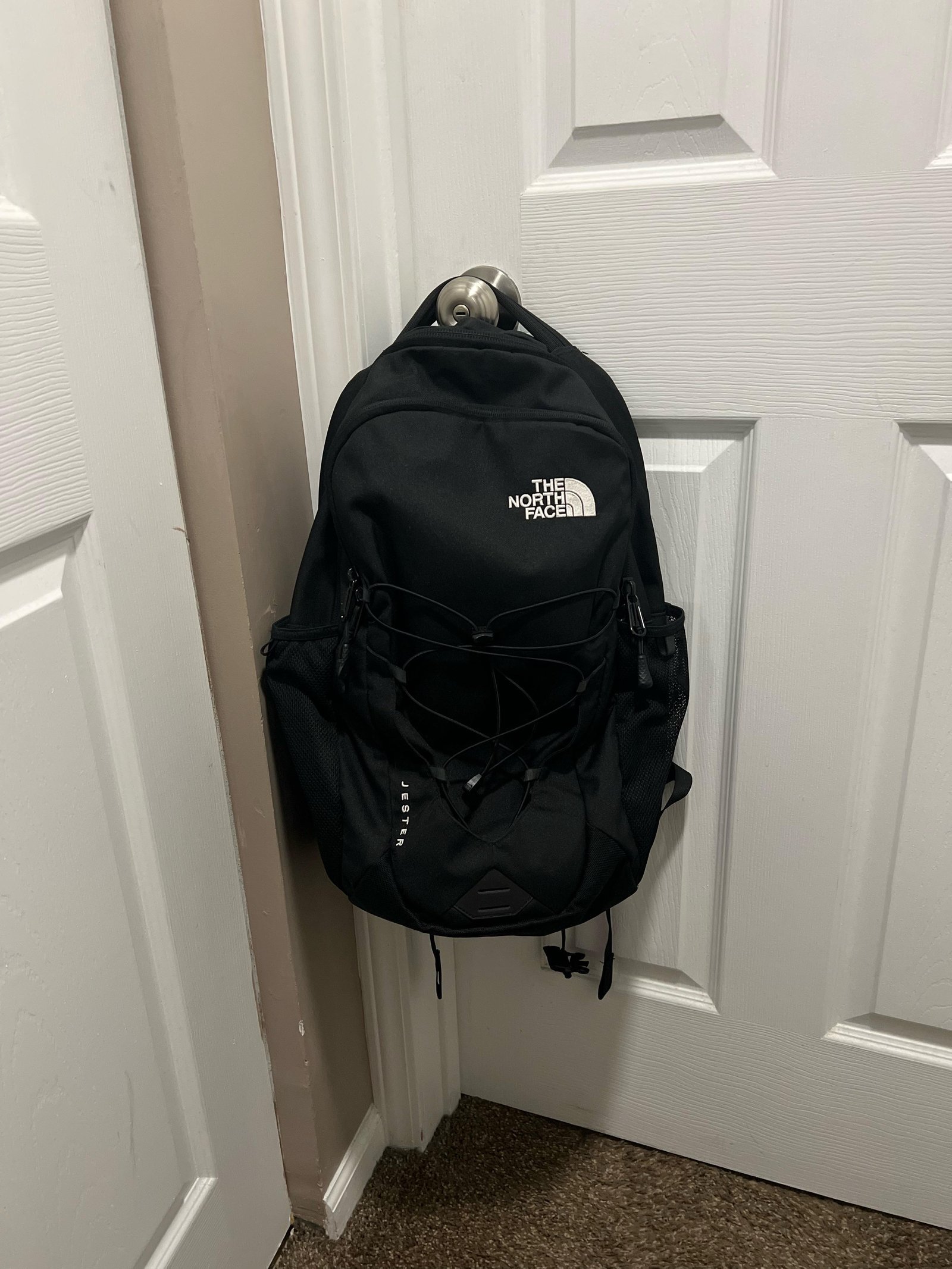
Does a backpack count as a personal item?
A backpack counts as a personal item if it fits completely under the seat in front of you. Most airlines define this as a bag roughly 18 x 14 x 8 inches, but you should verify the exact dimensions on your airline’s website.
Can I bring a backpack and a carry-on?
You can bring both if your fare class includes a carry-on and your backpack qualifies as a personal item. If your backpack is too large to fit under the seat, you must choose one or the other to avoid paying extra fees.
Is there a weight limit for carry-on backpacks?
Weight limits for carry-on backpacks vary by airline, typically ranging from 15 to 22 pounds. Always check your specific carrier’s baggage policy, as international airlines often have stricter weight limits than domestic carriers in the United States.
What happens if my backpack is too big?
A backpack that’s too big for the overhead bin will be gate-checked by the airline staff. This process often incurs a fee, and you’ll have to wait at the baggage claim area at your final destination to retrieve it.
Is it safe to put a laptop in a carry-on backpack?
It’s safe to store a laptop in a carry-on backpack, provided you use a padded sleeve. You should keep the device easily accessible, as security agents may require you to remove it from the bag during the screening process at the checkpoint.
Does the backpack style matter for carry-ons?
The style doesn’t matter as long as the total dimensions remain within the airline’s limits. Hard-shell backpacks are often harder to compress, while soft-sided bags are easier to squeeze into tight overhead bins or under seats.
Who is this policy not for?
This policy isn’t for passengers flying on private charter flights or those with special medical equipment requirements. If you carry medically necessary devices, contact your airline directly to discuss exceptions to standard carry-on and personal item rules.
Conclusion
The specific limit that determines your bag’s classification is the measurement of the bag when fully packed, which you can verify by checking the dimensions against the airline’s published size guide for your ticket type. Always confirm these details before you leave for the airport to avoid surprise costs.