
Usually not, because a 55l backpack is typically too large to fit into standard airline overhead bins or sizers. While it might fit if it’s mostly empty, you generally can’t rely on being able to carry on a bag of this volume on most commercial flights.
When your backpack can carry on
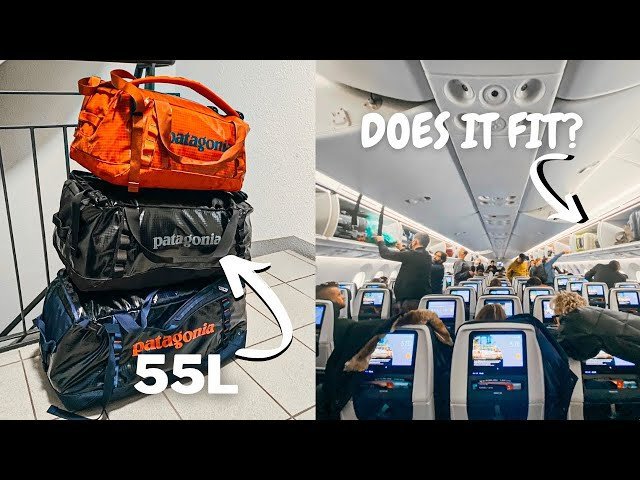
Whether you can take your pack depends on the airline’s specific rules and how much you have packed inside it. Most major carriers have strict size limits for carry-on luggage.
| Your situation | Answer | Why |
|---|---|---|
| Bag is packed full | No | It exceeds height and width limits |
| Bag is half empty | Maybe | It can compress to fit the sizer |
| Small regional aircraft | No | Cabin bins are too small for large packs |
| International long-haul | Maybe | Larger planes have bigger overhead bins |
| Budget airline flight | No | They enforce strict sizer box rules |
| Bag has hard frame | No | It can’t be squeezed into a sizer |
Why size limits dictate your travel
Airlines set these limits to ensure that every passenger has space for their bags in the overhead compartments. The industry standard for carry-on dimensions is generally 22 x 14 x 9 inches, though budget airlines often have smaller requirements. A 55l bag is almost always taller than 22 inches when fully extended, which is the dimension that causes the most trouble at the gate. Even if the bag is soft-sided, the frame or the rigid back panel often prevents it from fitting into the metal sizer frames used by gate agents. If your bag exceeds the airline’s size limit, you’ll be forced to check it at the gate, which often carries a heavy fee. If the bag fits the dimensions provided by the Transportation Security Administration, then it’s allowed; if it exceeds those stated limits, you must check it.
How to manage a large pack
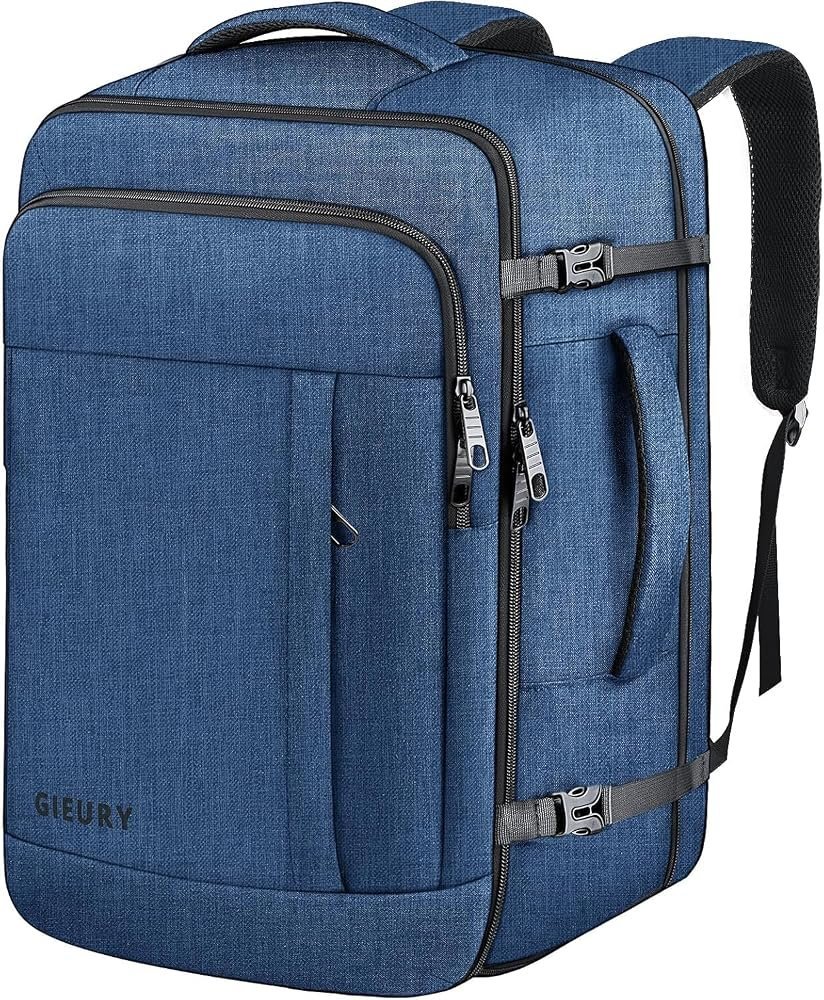
If you must travel with a 55l bag, you have to manage your expectations and your packing strategy to avoid issues at the airport gate.
- Check the airline website for their specific dimensions before you leave your home.
- Remove the top lid if your backpack has a detachable one to reduce the overall height.
- Pack light so that you can compress the main compartment significantly if you’re questioned.
- Use compression straps to pull the bag tight against the frame, keeping the profile as slim as possible.
- Prepare for a gate check by keeping your laptop, batteries, and medications in a separate smaller personal item.
If you’re flying with a budget carrier, these options aren’t for you; you should plan to check the bag from the start to avoid higher last-minute fees.
The common packing mistake
The most common mistake travelers make is assuming that because a bag is “soft,” it will be allowed on board regardless of its capacity. This error often costs travelers a gate-check fee, which is inexpensive compared to the cost of a checked bag. The weight is rarely the issue, but the physical dimensions of the frame are rigid and can’t be changed. The best check is to measure your pack while it’s fully loaded; if it stands taller than 22 inches, you should expect to check it.
When to stop and get help
- If the gate agent points to the metal sizer, don’t argue, as this can lead to being denied boarding.
- If your bag contains expensive camera gear or electronics, check it through an airline that offers fragile item handling.
- If you have a medical condition requiring specific gear, contact the airline’s special assistance desk before your flight.
Beyond these points, you should consult with a professional luggage service or the airline’s support team if you’re unsure about your specific bag model.
Frequently asked questions
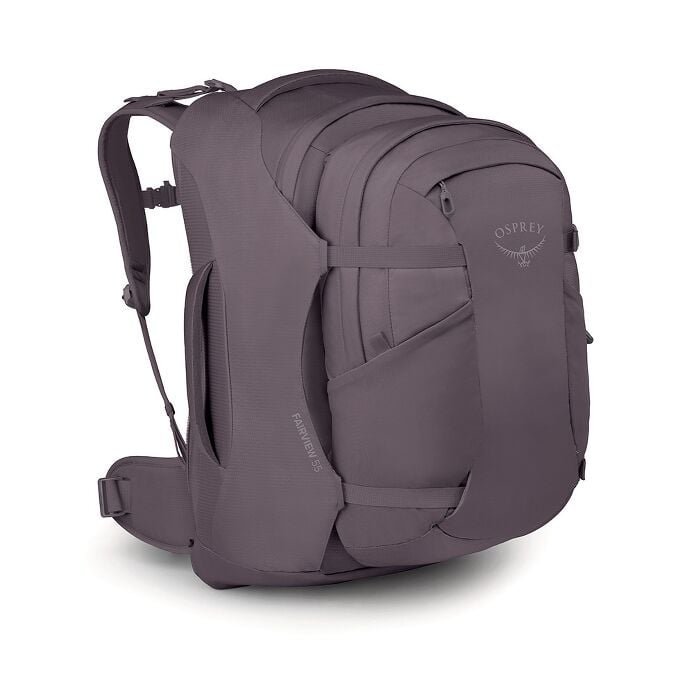
Can I carry on a 55l pack if I take out the frame?
Usually not, as the fabric length alone often exceeds the 22-inch limit set by most airlines. Even without a frame, the bag remains too long to fit into the standard overhead bin or sizer.
Does it matter if my bag is only half full?
Yes, it matters because a half-full bag is easier to compress. If you can cinch the bag down to under 22 inches in height, you have a much better chance of passing a gate check.
Is it safe to gate check a 55l backpack?
It’s generally safe, but you should remove all lithium batteries and valuables. Most airlines don’t take responsibility for damage to the bag itself, so ensure your items are protected inside.
How do I know if my pack is too big?
You can know by using a tape measure to check the height, width, and depth against the airline’s website. If any side exceeds the stated limit, the bag is officially too large for carry-on.
What happens if the bag doesn’t fit the sizer?
The agent will require you to check the bag at the gate. This often incurs a fee that’s higher than the price you would have paid to check it at the ticket counter.
Can I take a 55l bag on international flights?
It depends on the airline, as some international carriers allow slightly larger carry-ons. You must check the specific airline’s website, as their rules vary significantly compared to domestic budget carriers.
Conclusion
Before you head to the airport, measure your bag while it’s fully packed to see if it meets the airline’s 22-inch height limit. If it’s taller, expect to check it at the counter. If the agent asks you to use the sizer, simply comply to avoid further issues.
Related guides