
No, a traveler can’t safely use a 24-inch bag in the cabin because whether a 24 in suitcase be a carry on depends entirely on airline size sizers. Major airlines set carry-on limits at 22 inches tall, so a 24-inch bag is too large for overhead bins.
Can a 24 inch suitcase be a carry on
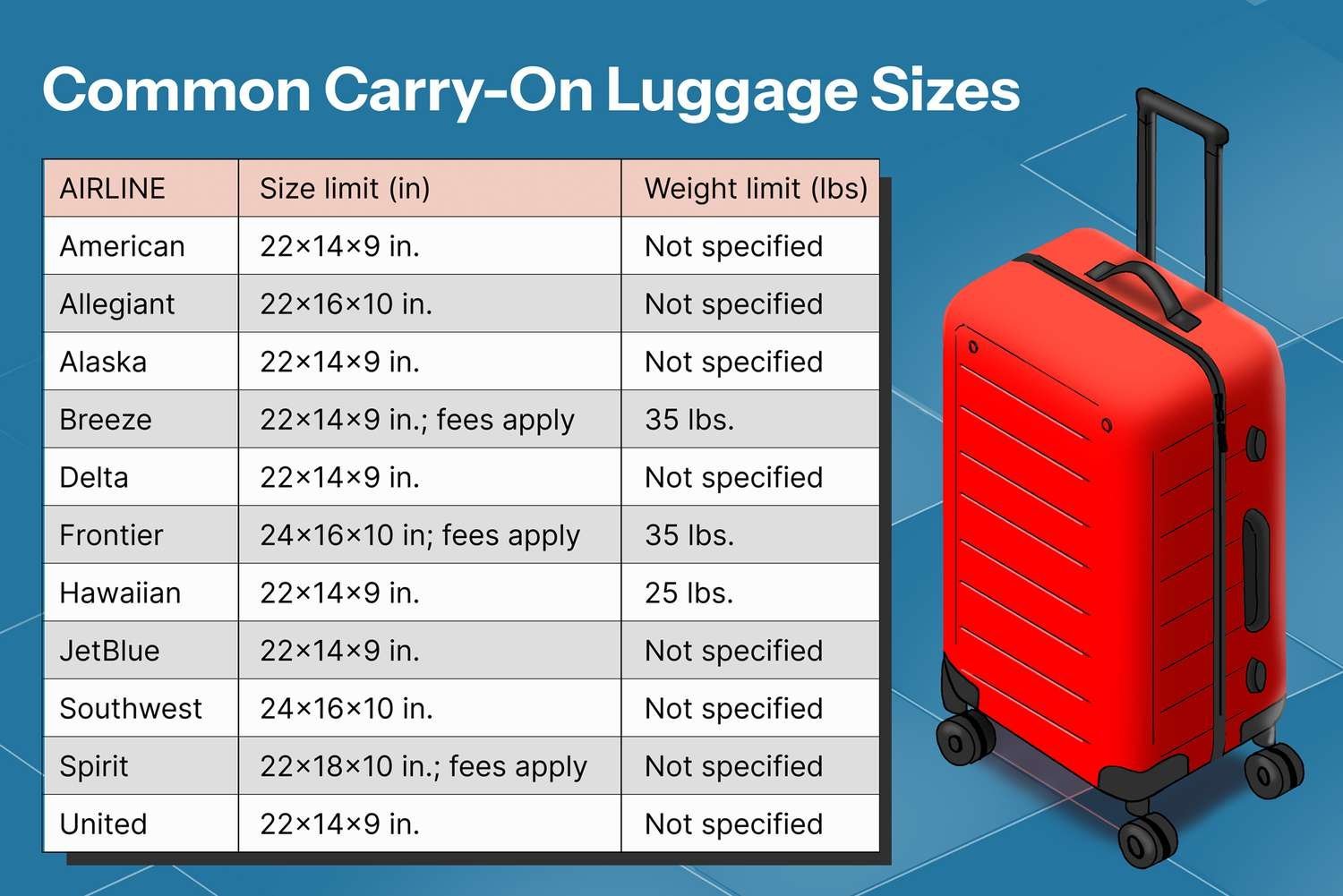
Airlines use metal sizing boxes at boarding gates to enforce carry-on dimensions. Most major carriers reject bags that exceed 22 inches in height, which means a 24-inch bag almost always travels in the cargo hold.
| Your situation | Answer | Why |
|---|---|---|
| US domestic flight on Delta, United, or American | No | Bags must not exceed 22 x 14 x 9 inches |
| Budget airline flight on Spirit or Frontier | No | Gate agents charge high fees for bags over 22 inches |
| European carrier like Ryanair or easyJet | No | Overhead limits usually cap height at 21.6 inches (55 cm) |
| Flying in basic economy without overhead bin access | No | Ticket rules restrict you strictly to one personal item |
| Flying on a small regional jet with small bins | No | 24-inch frames can’t fit inside tight overhead lockers |
| Traveling on a long-distance Amtrak passenger train | Yes | Train racks permit carry-on luggage up to 28 inches |
Why overhead bin rules reject larger bags
Airplane cabins have strict physical constraints that govern carry-on sizing. Overhead compartments on standard narrow-body aircraft are designed around bags that measure 22 inches long, 14 inches wide, and 9 inches deep. When an upright bag exceeds 22 inches, the bin door can’t close flat over the latch. Storing a longer bag horizontally takes the space of two properly sized bags, which leaves other passengers without room.
Airline staff must enforce these physical limits to keep boarding on schedule and ensure bins close securely for takeoff. You gain space but lose the ability to skip baggage claim.
What to do instead of taking a 24-inch bag on board
A 24-inch suitcase won’t clear the gate. You have three options.
- Check the 24-inch suitcase at the main counter. Pay the standard checked luggage fee during online check-in rather than waiting for the boarding gate, which keeps your departure smooth and saves money. This option isn’t for travelers taking quick weekend trips who want to skip the baggage claim area completely.
- Switch to a compliant 22-inch roller bag. Pack using a bag that meets the standard 22 x 14 x 9-inch rule so you can keep your belongings safely overhead throughout the journey. This option isn’t for travelers who must pack heavy cold-weather coats, boots, or bulky equipment for a long stay.
- Use a compressible duffel bag alongside your personal item. Choose a soft-sided travel duffel that fits airline sizers when packed firmly, which lets you maximize space while fitting overhead compartments. This option isn’t for travelers packing fragile items or pressed business suits that require hard-shell protection.
Measuring without including wheels and handles

People often measure only the fabric body of the suitcase and ignore the hardware. A bag sold as “24 inches” in department stores usually measures 26 inches or more once you include the wheels, top grab handle, and base studs.
Gate agents don’t deduct space for wheels when you slide luggage into a metal test sizer. If the bag fails to drop in freely, the airline forces a gate-check. Measure your suitcase from the floor to the very top of the collapsed handle before you pack.
Signs you must stop and check the bag
Carrying luggage through airport security doesn’t guarantee it can board the plane. Hand your bag to the ticket counter agent if any of these conditions occur:
- The suitcase frame sticks out above your hip when rolling it beside you, which indicates an oversized frame.
- You had to unzip expansion zippers to close the bag, making it too deep for standard bins.
- You’re flying on a regional turboprop or commuter plane, where even standard 22-inch bags get tagged for gate check.
- A tape measure shows more than 22 inches total height from the floor to the top handle.
Frequently asked questions
Can a 24-inch bag fit in the overhead bin if it isn’t full?
No, the rigid frame won’t shrink. Even when empty, a hard-shell 24-inch suitcase stays too long for the compartment door to shut properly.
How much does it cost to check a bag at the gate?
Costs are higher on domestic budget carriers. Major network airlines often charge a lower standard rate, but budget airlines add steep penalties for bags checked directly at boarding gates.
How long does baggage claim take for checked suitcases?
Between 20 and 45 minutes after the plane arrives at the gate. Times depend on airport staffing levels and the walking distance from the aircraft to the terminal reclaim belts.
What happens if your carry-on is two inches too big?
The airline agent will refuse cabin entry. Staff will scan the bag, print a cargo tag, and send it down to the hold while charging you the applicable checked bag fee.
Is it safe to put breakables in a 24-inch checked bag?
No, checked luggage encounters heavy mechanical sorters and baggage handlers. Pack electronics, laptops, camera bodies, and fragile keepsakes inside your personal item beneath the seat instead.
Does a soft-sided 24-inch suitcase count as a carry-on?
No, soft fabric can’t make up for two extra inches of steel or plastic framing. The metal sizer will stop the corners, regardless of whether the fabric yields slightly to hand pressure.
Checking your bag size before traveling
Conclusion
Measure your suitcase using a hard tape measure from the floor to the top of the handle. You can expect a smooth trip if the total height stays under 22 inches, which lets the suitcase drop easily into gate sizers. If the tape reads 23 inches or higher at home, stop packing it as a carry-on and pay the standard checked luggage fee online before reaching the terminal.
Related guides