
Yes, a backpack can be considered a carry on item for almost all commercial flights. You must ensure it fits within the airline’s specific size and weight limits to avoid checked baggage fees. You should measure your bag before heading to the airport to confirm it meets these requirements.
When is a backpack considered carry on
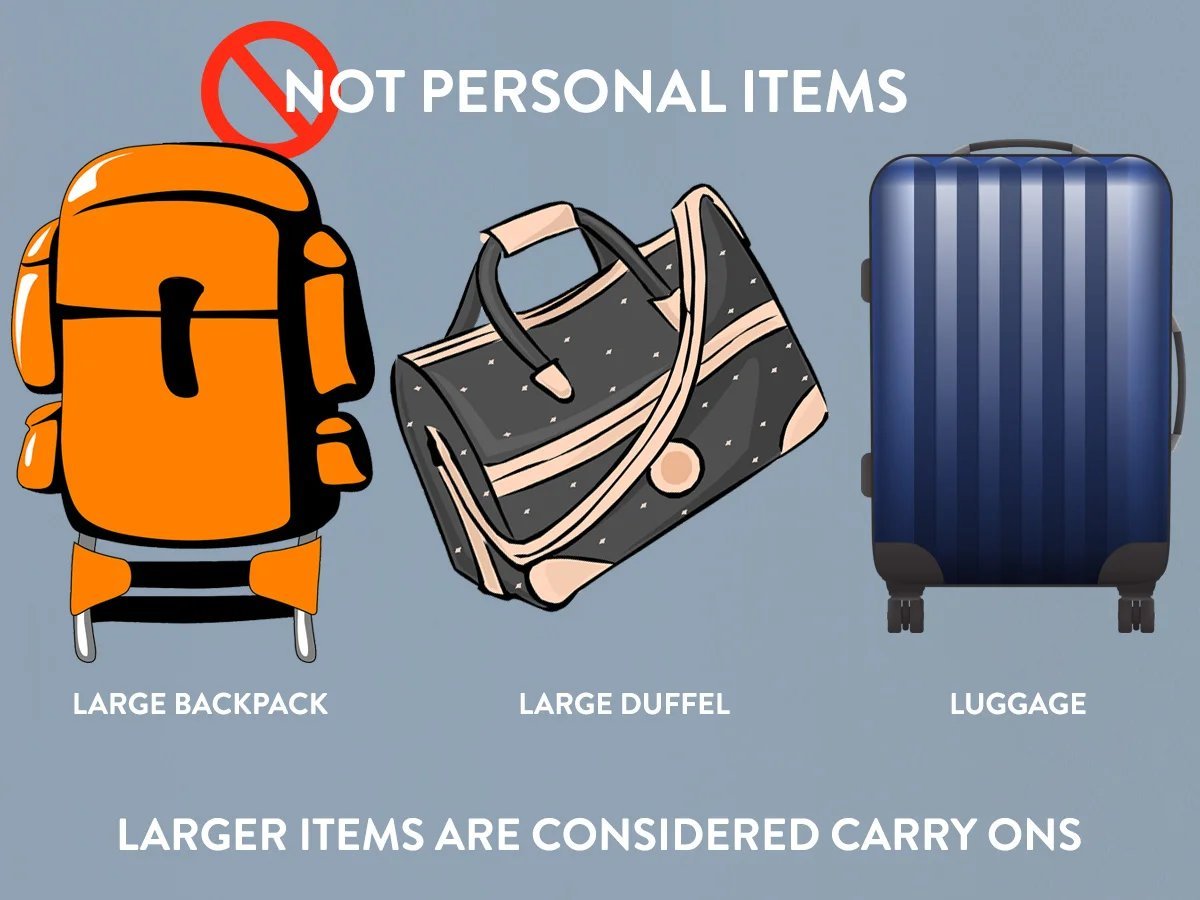
Every airline sets its own rules for bags, so you must check your ticket details before you arrive. While many backpacks are designed to fit under the seat, larger hiking packs may be too big for the overhead bin.
| Your situation | Answer | Why |
|---|---|---|
| Standard school bag | Yes | Fits under seat easily |
| Hiking pack (40L+) | Maybe | Often exceeds dimension limits |
| Laptop backpack | Yes | Fits personal item criteria |
| Hiking pack (60L+) | Usually not | Too tall for overhead bins |
| Full bag with frame | No | Rigid frame can’t compress |
| Empty soft backpack | Yes | Can be squeezed to size |
What decides if your bag qualifies
The primary factor determining if your gear is allowed in the cabin is the total dimension of the bag. Airlines measure the length, width, and depth to ensure the item fits inside the overhead bin or beneath the seat in front of you. Most domestic carriers allow a maximum dimension of 22 x 14 x 9 inches, though budget airlines often enforce stricter limits. If you’re flying on a basic economy ticket, you may only be allowed one small personal item rather than a full carry-on. If your backpack fits the standard size, you may bring it on board; if it exceeds the limit, you must check it at the gate.
If you go ahead
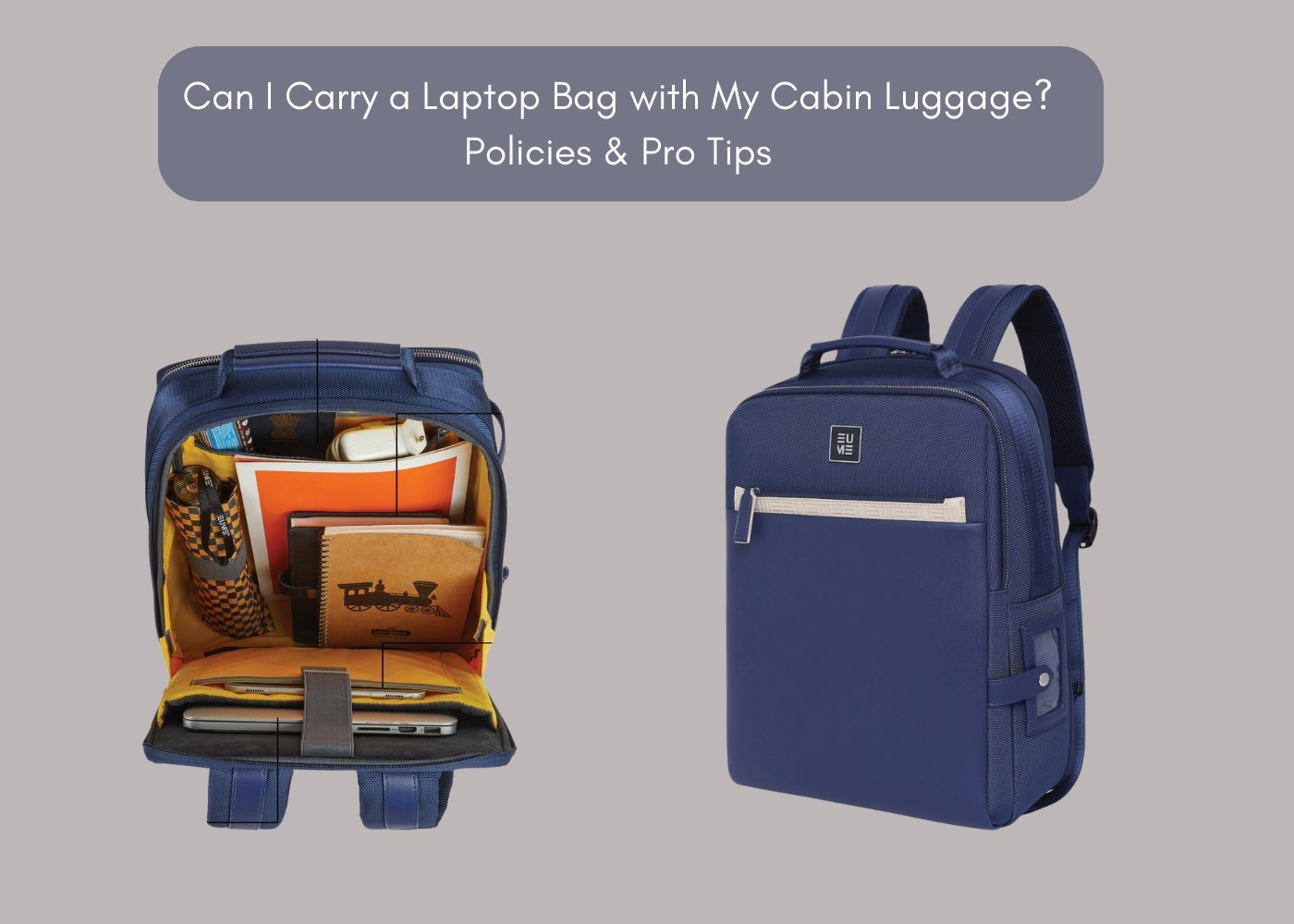
If you choose to use your backpack for your flight, follow these steps to ensure a smooth boarding process.
- Measure your bag carefully using a tape measure to check the height, width, and depth while it’s fully packed.
- Remove any rigid frame if your pack has one, as these often prevent the bag from fitting into the airline’s metal sizer.
- Pack your heaviest items at the bottom of the bag to keep the weight balanced, which helps when lifting it into the bin.
- Compress the straps tightly to reduce the overall profile of the backpack so it doesn’t snag on the bin handle.
- Check the weight limit on your airline’s website, as some carriers have a maximum weight of 15 to 22 pounds for carry-ons.
The mistake people make
The most common mistake is failing to account for how much a bag expands when it’s fully stuffed. A backpack that measures 22 inches when empty can easily stretch to 25 inches when loaded with clothes, which will cause it to fail the airport sizer test. This error often results in a mandatory gate-check fee that’s quite expensive compared to checking a bag in advance. To avoid this, always measure your backpack while it’s packed full and ensure it can still slide easily into a standard bin sizer.
When to stop and get help
Some situations require professional attention to avoid travel delays or damaged equipment.
- Rigid frame damage: If your bag has a metal frame that’s bent or broken, it may damage other luggage in the bin.
- Prohibited items: If you have tools or liquids over 3.4 ounces, you must check the bag or surrender the items.
- Excessive size: If the pack is clearly larger than the sizer, you should check it at the desk to avoid a higher fee at the gate.
A professional baggage service or the airline help desk handles these issues properly.
Frequently asked questions
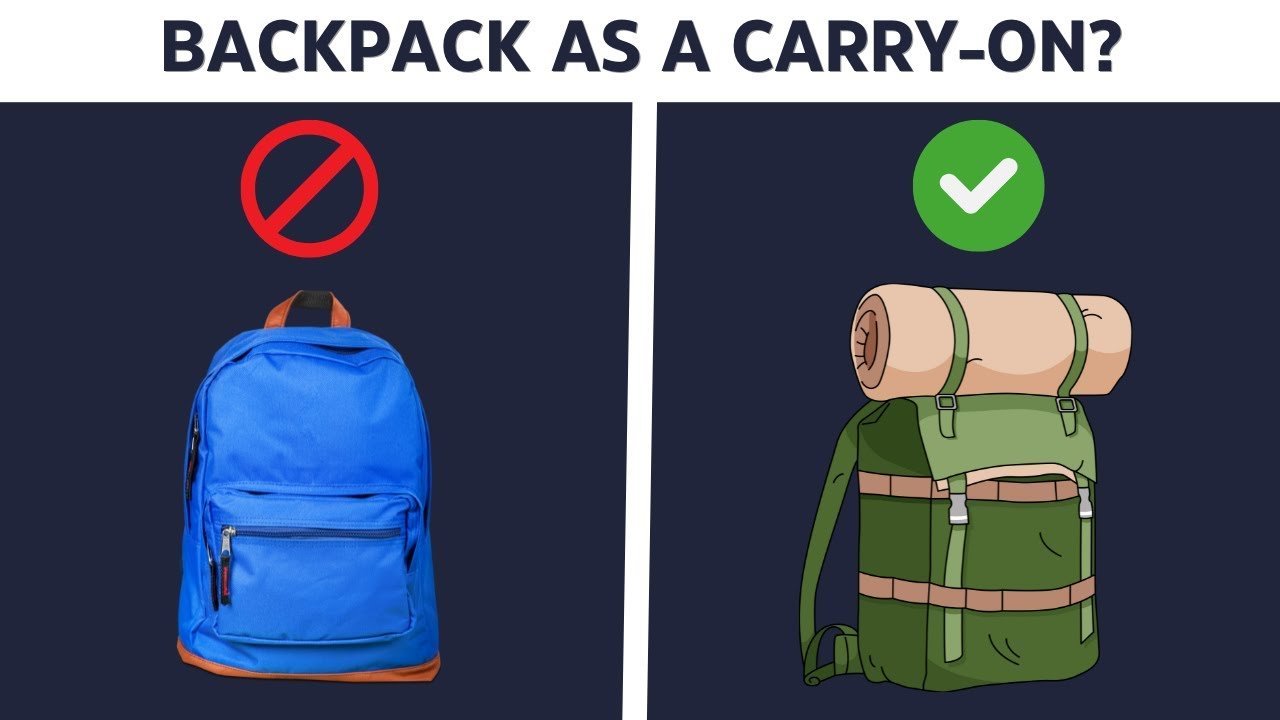
Can I bring a backpack and a carry on?
Yes, most airlines allow one carry-on bag and one personal item, such as a laptop backpack, provided the backpack fits under the seat.
What happens if my backpack is too big?
If your bag is too large, the airline will force you to check it at the gate, which often costs more than paying for a checked bag in advance.
Is it safe to put expensive electronics in a backpack carry on?
Yes, it’s generally safer to keep electronics in your carry-on backpack rather than checking them, as you keep control of the bag throughout the flight.
Does it matter if my backpack has wheels?
Yes, if your backpack has wheels, you must include the wheels and handle in your total dimension measurements, as they count toward the allowed size.
How do I know if my backpack fits the size requirements?
You can check the specific dimensions on your airline’s website or use the metal sizing bins located near the departure gate to test your bag.
How much does it cost to check a backpack at the gate?
The cost varies by airline, but gate-check fees are generally quite expensive depending on the destination and the carrier’s specific baggage policy.
Conclusion
Start by measuring your bag while it’s fully packed to ensure it meets the size limits of your specific airline. If it fits the sizer, you can bring it on board with confidence. If it doesn’t fit, proceed to the check-in counter for assistance.
Related guides