
Yes, you can bring a hiking backpack as carry on luggage if it fits the airline’s size requirements and doesn’t contain prohibited items. You should check your specific airline’s dimensions before leaving home to ensure it fits comfortably in the overhead bin or under the seat.
Can you bring your hiking backpack as carry on
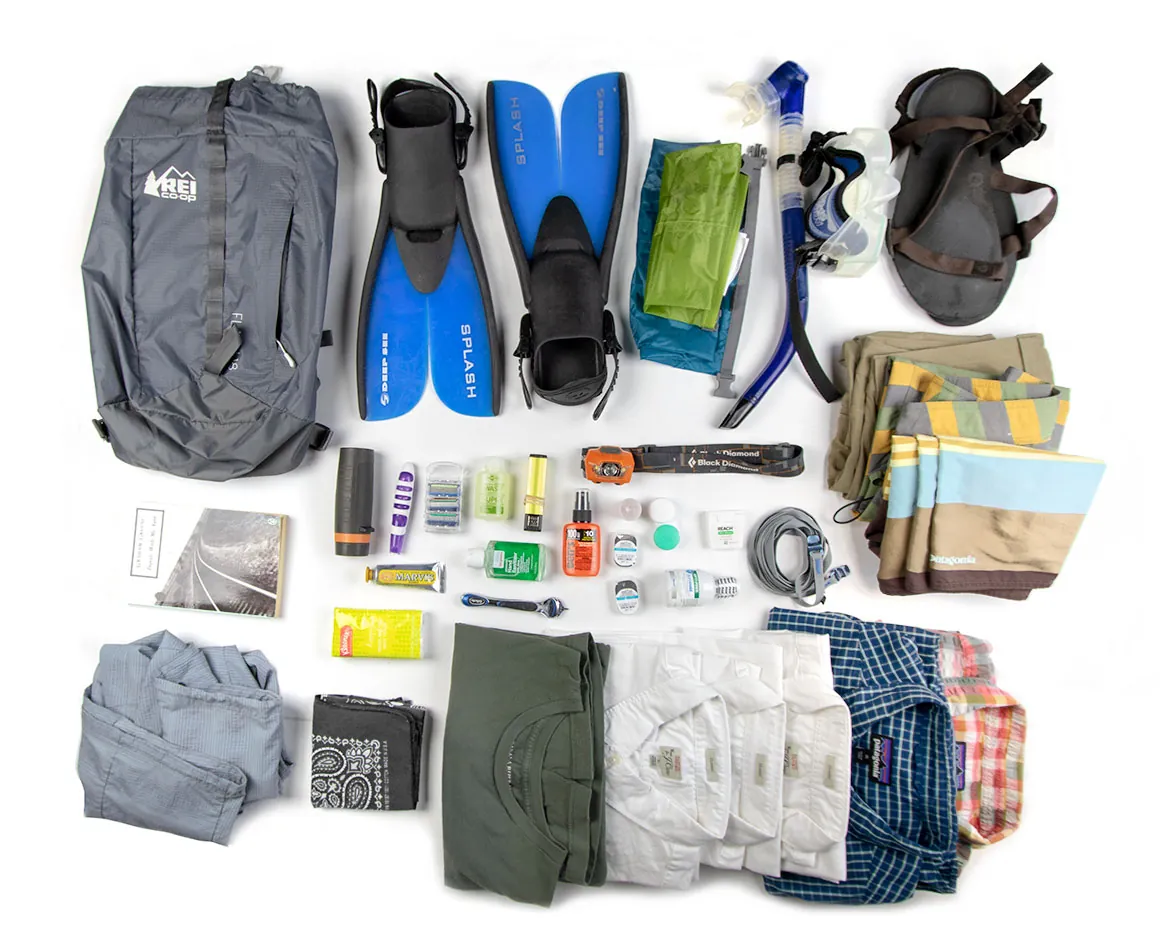
The rules for carry-on luggage depend mostly on the total size of your bag rather than its intended use. While hiking packs are designed for comfort on the trail, they often feature frames or straps that can complicate the boarding process.
| Your situation | Answer | Why |
|---|---|---|
| Pack is under 22x14x9 inches | Yes | Fits standard airline size limits |
| Pack has an external frame | Usually not | Frame often exceeds bin dimensions |
| Pack fits under the seat | Yes | Meets personal item size rules |
| Pack exceeds 45 linear inches | No | Too large for overhead storage |
| Pack is empty and compressible | Yes | Can be squashed to fit |
| Pack contains trekking poles | No | Prohibited in the cabin |
What determines your bag’s eligibility
The primary factor for any carry-on is the physical size of the bag when it’s fully packed. Airlines set strict limits on the total dimensions—length, width, and height—to ensure every passenger has space in the overhead lockers. If your pack is rigid because of a metal or plastic frame, you can’t shrink it to meet these limits.
Soft-sided hiking packs are easier to manage because you can remove gear or tighten compression straps to reduce the volume. If your pack has a hip belt, fold it behind the back panel or tuck it away so it doesn’t snag on the bin door. If your bag is within the limit, it travels with you; if it exceeds the limit, it must go into the cargo hold.
Steps for packing your gear

- Measure the frame height while the pack is empty to ensure it sits below the 22-inch mark, which is the standard limit for major carriers like the Transportation Security Administration.
- Remove external attachments such as trekking poles, ice axes, or loose carabiners, as these are classified as sharp objects and aren’t allowed in the cabin.
- Compress the main compartment using all available side and front straps to keep the profile as slim as possible for easier storage.
- Pack liquids separately in a clear, quart-sized bag so you can quickly remove them for security screening without digging through your main hiking gear.
- Check the total weight to ensure it remains under 20 pounds, which is the common threshold for many international carriers before they charge extra fees.
The common mistake with hiking gear
Many travelers forget that hiking backpacks often have long, dangling straps that can get caught in airport conveyor belts or bin mechanisms. If these straps get stuck, they can tear the fabric or delay your boarding process.
The simple fix is to use elastic bands or “web dominators” to secure all loose strap ends against the pack body. This makes your bag look smaller and prevents it from catching on other bags in the overhead locker, saving you from potential damage to your expensive outdoor equipment.
When to stop and get help
Some packs are simply too large for a standard cabin, and trying to force them into a bin can cause damage. You should stop and check your bag at the counter if:
- The pack frame is rigid and clearly taller than the overhead bin opening.
- You’re carrying professional climbing gear that security staff may flag as dangerous.
- The bag is so heavy that you can’t lift it above your head unassisted.
If you hit these limits, contact your airline’s support desk to pay for checked baggage.
Frequently asked questions
Can I bring a hiking backpack with a metal frame?
Only if the frame dimensions fall within the airline’s carry-on limits. Many external frames are too tall for overhead bins, so check the manufacturer’s height specifications against your airline’s website before you arrive at the airport.
How long can my hiking backpack be for a carry-on?
Most airlines require the height to be 22 inches or less, including the frame and wheels. Check your specific airline’s baggage policy page to confirm their exact limit, as some budget carriers have smaller requirements.
Is it safe to store my pack in the overhead bin?
Yes, provided you secure all loose straps and remove any prohibited items like knives or fuel canisters. Ensure the pack isn’t overstuffed, as a rigid, overfilled bag is difficult to fit and might be forced into the cargo hold.
Does it matter if my backpack is dirty from a hike?
Yes, it matters because dirt and mud can soil the interior of the aircraft or other passengers’ luggage. Clean your pack thoroughly with a damp cloth and let it dry before you head to the airport to avoid issues.
What happens if my pack is too big at the gate?
The gate agent will force you to check the bag, which often comes with a higher fee than paying at the check-in counter. Always verify your dimensions at home to avoid these surprise costs during boarding.
Can I carry my sleeping bag on the plane?
Yes, you can bring a sleeping bag as a carry-on item if it’s compressed and fits within your total carry-on allowance. Most airlines count a sleeping bag as one of your two permitted carry-on items.
Conclusion
Start by measuring your empty pack against the airline’s size guidelines to see if it will fit the overhead bin. If it passes, secure all loose straps so they don’t snag during loading. If the frame is too tall, check it at the counter immediately.
Related guides