
Yes, you can bring a hiking backpack as a carry on if its dimensions fall within the limits set by your specific airline. Most major carriers require bags to be no larger than 22 x 14 x 9 inches, so you should measure your pack carefully before you head to the airport.
Can you carry your hiking backpack on board
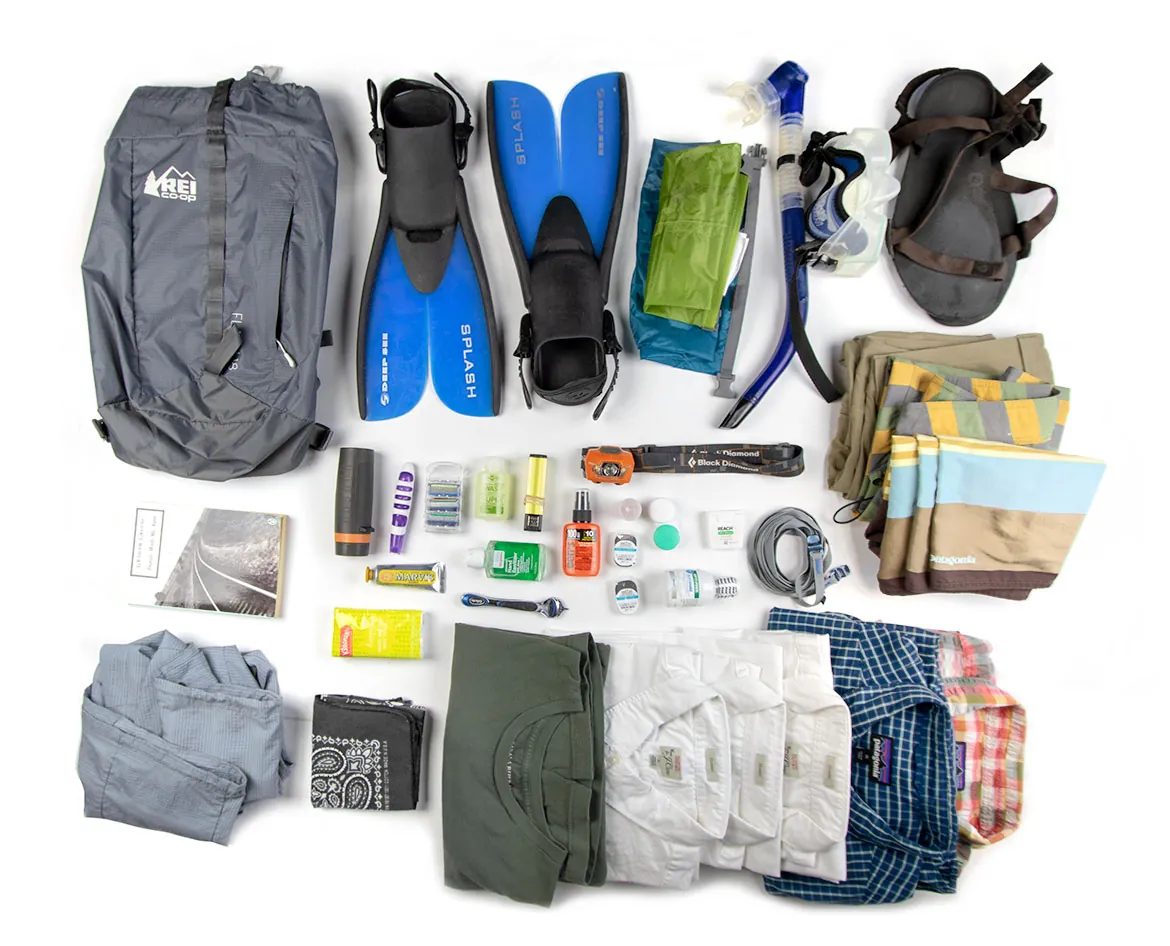
You must compare your pack’s dimensions against the requirements for your flight. While many bags fit, a large hiking pack with a rigid frame or a tall profile often exceeds these limits.
| Your situation | Answer | Why |
|---|---|---|
| Pack under 22x14x9 inches | Yes | Fits in standard bins |
| Pack with long frame | No | Rigid height exceeds limits |
| Bag is half-empty | Yes | You can compress the frame |
| Pack has external tools | No | Sharp items are banned |
| Pack exceeds weight limit | No | Exceeds airline weight policy |
| Pack fits under seat | Yes | Counts as personal item |
What decides if it fits
The primary factor is the physical size of your pack, specifically the length of the back frame. Most airline overhead bins are designed for standard suitcases, which are rectangular and rigid. A hiking backpack often has a tall, curved frame that stays at a fixed height. Even if the bag is mostly empty, that frame won’t bend or shrink to fit into a tight space.
Another factor is the weight limit, which varies by airline but often sits between 15 and 22 pounds for international flights. If your gear is heavy, you might pass the size check but fail the weight check at the gate. Check the Transportation Security Administration carry-on guidelines to ensure you don’t pack prohibited items like large knives or trekking poles. If the frame is rigid, don’t force it; if the bag is flexible, you can compress it to fit.
Preparing your pack for flight
- Remove all external gear: Take off any carabiners, loose straps, or external trekking poles. These catch on bin mechanisms and cause delays during boarding.
- Measure the frame height: Use a tape measure to check the distance from the bottom of the waist belt to the top of the frame. If this exceeds 22 inches, it will likely be rejected by gate agents.
- Compress the main compartment: Tighten all side compression straps to make the bag as slim as possible. A slim bag is much easier to slide into a crowded overhead bin.
- Check the weight: Weigh your fully packed bag on a bathroom scale before leaving home. If you’re over 20 pounds, move heavy items like boots or electronics into your personal item bag.
The mistake people make
The most common mistake is failing to account for the frame height when the bag is empty. Travelers assume that because they can “squish” the fabric, the bag will fit anywhere. However, the internal or external frame stays at its full height regardless of how much gear is inside.
This error often costs travelers a gate-check fee, which is an unnecessary expense compared to the cost of a checked bag. Always measure the frame itself, not just the soft fabric parts, to ensure your pack meets the stated dimensions.
When to stop and get help
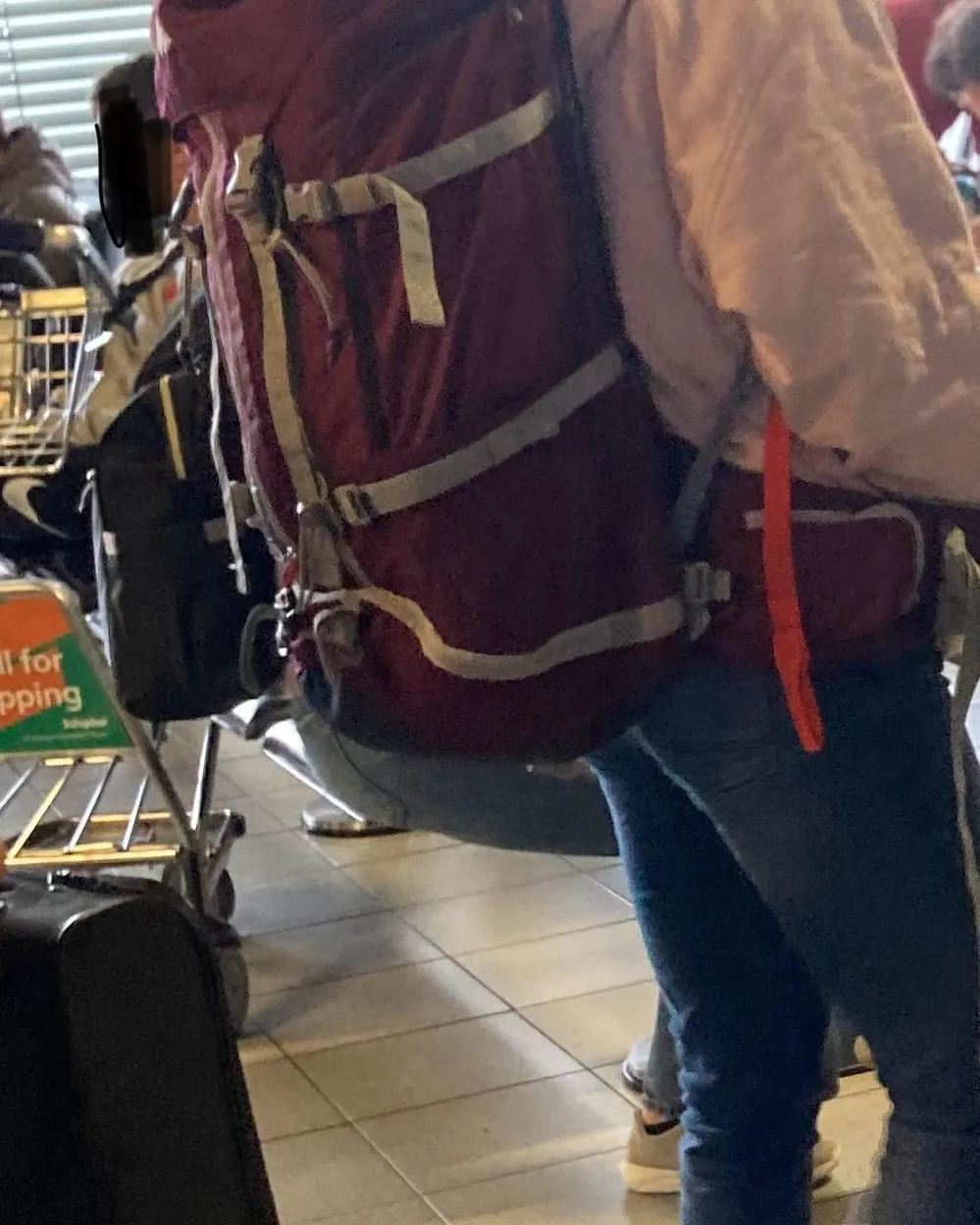
- If your backpack frame is clearly too tall for the bin, check it at the counter to avoid a gate fee.
- If you’re carrying restricted tools like ice axes or trekking poles, these must be checked in the cargo hold.
- If your pack’s value is high, consider a protective travel cover to prevent damage to straps and buckles.
- If an agent denies your bag, accept the check-in gracefully to keep your boarding process moving smoothly.
Frequently asked questions
Can I carry on a 50-liter backpack?
Yes, you can carry on a 50-liter backpack if its frame dimensions are under 22 x 14 x 9 inches. Many 50-liter bags are too tall for these limits, so you must measure the frame height first.
Is it safe to put a hiking pack in the overhead bin?
Yes, it’s safe as long as you remove all loose straps and sharp tools. Loose straps can get caught in the bin door, which might damage the clips or the fabric of your bag.
How long does it take to gate-check a bag?
It takes about 2 to 5 minutes to gate-check a bag if you’re already at the boarding area. You’ll receive a tag from the agent and leave the bag at the plane door.
Does it matter if my backpack has a hip belt?
Yes, the hip belt matters because it adds width and bulk that might prevent the bag from sliding into the bin. Try to tuck the belt behind the bag or wrap it around the front.
What happens if my bag is too big?
It will be gate-checked, which often results in a fee that varies by airline. You’ll then have to pick up your bag at the baggage claim area rather than at the arrival gate.
How much weight can a carry on hold?
It can hold between 15 and 22 pounds depending on the airline’s specific policy. Always verify the weight limit on your airline’s official website before heading to the airport to avoid surprise fees.
Conclusion
Start by measuring your pack’s frame height and comparing it to your airline’s maximum dimensions. If the frame is within the limit, you can expect to stow it successfully in the overhead bin. If it exceeds the limit, stop and check the bag at the counter to avoid extra fees.