
A hiking backpack can serve as a carry on for your flight if its dimensions meet airline size limits and it contains no prohibited gear. Most domestic carriers allow overhead bags up to 22 x 14 x 9 inches.
Key Takeaways
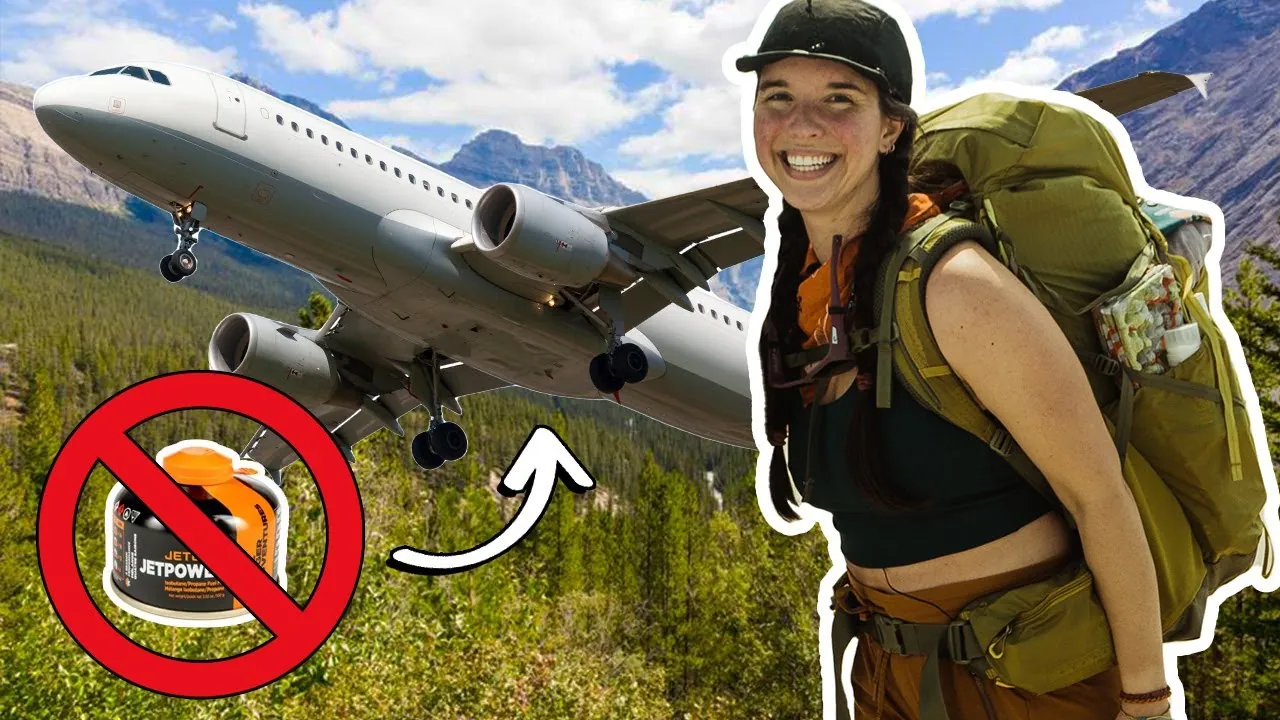
- Hiking packs between 35 and 45 liters typically fit inside overhead compartments, while bags exceeding 50 liters almost always require gate checking.
- Internal metal or plastic stays can’t exceed airline height limits because rigid frames won’t compress into airport sizers.
- You must remove sharp trail tools like trekking poles, pocket knives, and tent stakes before passing through security checkpoints.
- External compression straps and tuck-away hip belts prevent loose webbing from tangling in airplane bin hinges.
- Budget airlines enforce strictly smaller dimensions and lower weight limits than standard legacy carriers.
Airline Carry-On Size and Weight Limits
Airlines don’t evaluate bags by interior volume; they judge them entirely by external measurements.
| Airline Carrier | Overhead Dimensions (Inches) | Overhead Dimensions (cm) | Weight Limit |
|---|---|---|---|
| Delta Air Lines | 22 x 14 x 9 in | 56 x 35 x 23 cm | No weight limit |
| United Airlines | 22 x 14 x 9 in | 56 x 35 x 23 cm | No weight limit |
| American Airlines | 22 x 14 x 9 in | 56 x 36 x 23 cm | No weight limit |
| Southwest Airlines | 24 x 16 x 10 in | 61 x 41 x 25 cm | No weight limit |
| Frontier Airlines | 24 x 16 x 10 in | 61 x 41 x 25 cm | 35 lbs (15.8 kg) |
Warning: Budget airlines like Spirit Airlines and Allegiant Air frequently require passengers to place soft-sided bags into physical airport metal sizers at boarding gates, where overflowing pockets will trigger unexpected checked-bag fees ranging from $50 to $100.
Backpack Capacity Versus Linear Dimensions
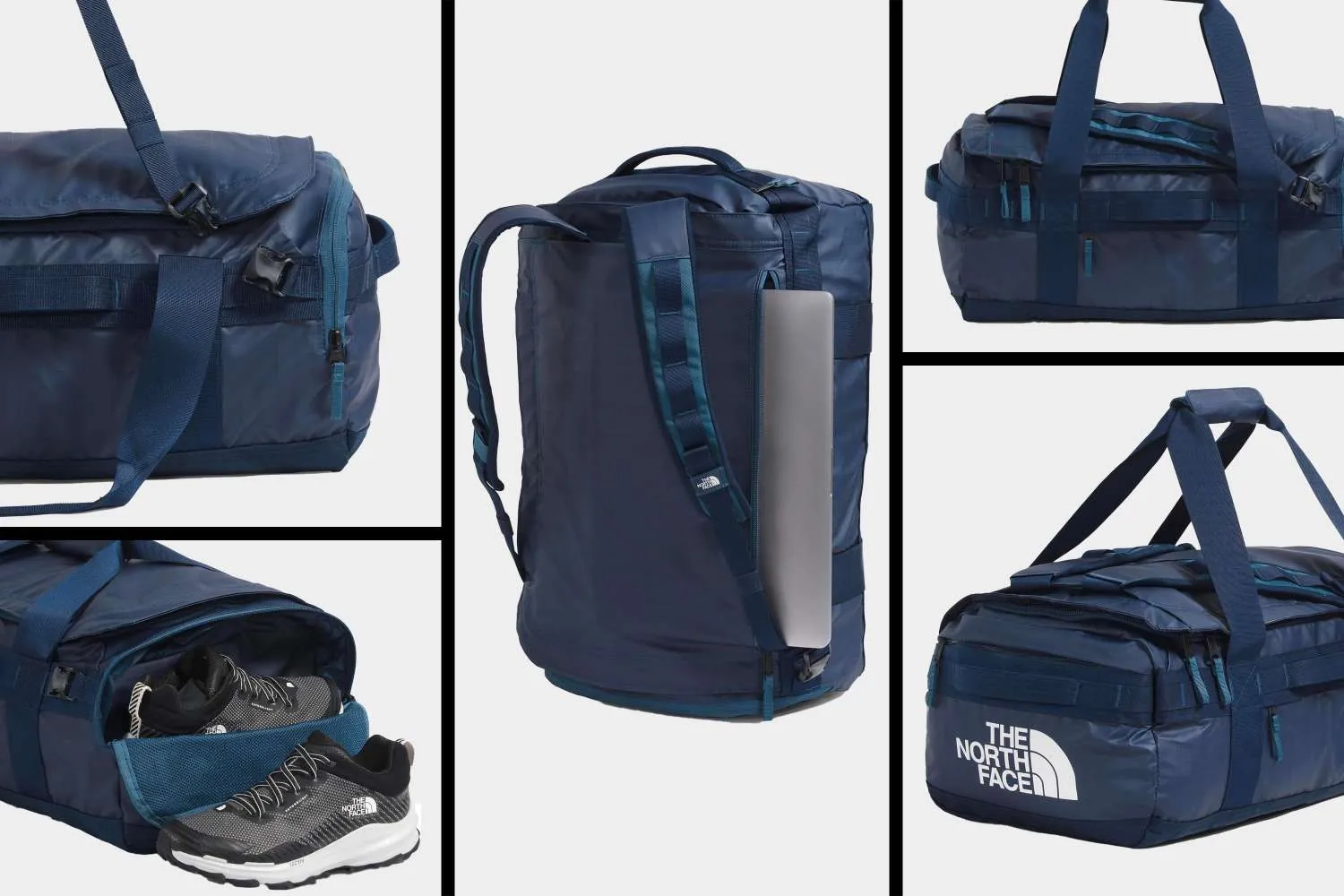
Harness design and collar extensions alter a pack’s physical footprint regardless of its liter capacity. Tall, narrow mountaineering packs often violate height restrictions despite modest volume.
| Pack Volume (Liters) | Typical Height Profile | Carry-On Viability | Best Use Case |
|---|---|---|---|
| 18L to 30L | 18 to 20 inches | Fits under front seat or overhead | Day hiking, commuting |
| 32L to 45L | 21 to 23 inches | Standard overhead bin compliant | Weekend trail trips, minimalist travel |
| 50L to 65L | 26 to 30 inches | Exceeds domestic overhead limits | Multi-day wilderness routes |
| 70L and Above | 30+ inches | Strictly checked cargo baggage | Extended expeditions |
To keep a bag within standard boundaries, seek out travel-ready trail models like the Osprey Farpoint 40, Gregory Tribute 40, or the REI Co-op Ruckpack 40.
Can I Use My Hiking Backpack as a Carry-On?
Trail packs work as cabin luggage if they squash flat. Nylon rucksacks adapt to tight spaces.
Problems arise when your pack relies on a rigid internal wire frame or a raised perimeter stay. To ensure boarding:
- Measure the pack at home from the base fabric up to the top tip of the load-lifter straps.
- Disengage detachable top lids, often called floating brain pockets, and pack them inside the main bag cavity.
- Tighten every built-in side compression strap to reduce bag depth before arriving at the departure gate.
- Fasten the padded hip belt backward around the pack body so thick wings don’t stick out.
Prohibited Gear You Must Remove
Airport security scanners flag common outdoor equipment.
According to the official TSA What Can I Bring? Guidelines, sharp implements and puncture hazards must stay out of personal and carry-on bags.
- Trekking poles: Hiking poles and ski staffs contain sharp metal tips and locking shafts that agents consider potential bludgeons. They belong exclusively in checked luggage.
- Tent stakes: Metal ground spikes, aluminum stakes, and snow anchors are banned from cabin bags. You may only carry plastic or blunt wooden stakes through the terminal.
- Camp knives and multi-tools: Blades of any size, including small multi-tool knives like a Leatherman or Swiss Army knife, will be confiscated immediately.
- Stove fuel canisters: Isobutane, white gas, and propane canisters are completely banned from all commercial aircraft compartments, both carry-on and checked luggage. Purchase fuel canisters upon arrival at your destination.
- Bear spray: Capsaicin self-defense canisters exceed aerosol limits and can’t fly inside cabin lockers.
Pro Tip: Pack your tent poles separately if security regulations in your origin country treat rigid hollow poles as restricted items, though the US allows tent frame segments through standard passenger screening.
How to Pack a Trail Rucksack for Travel
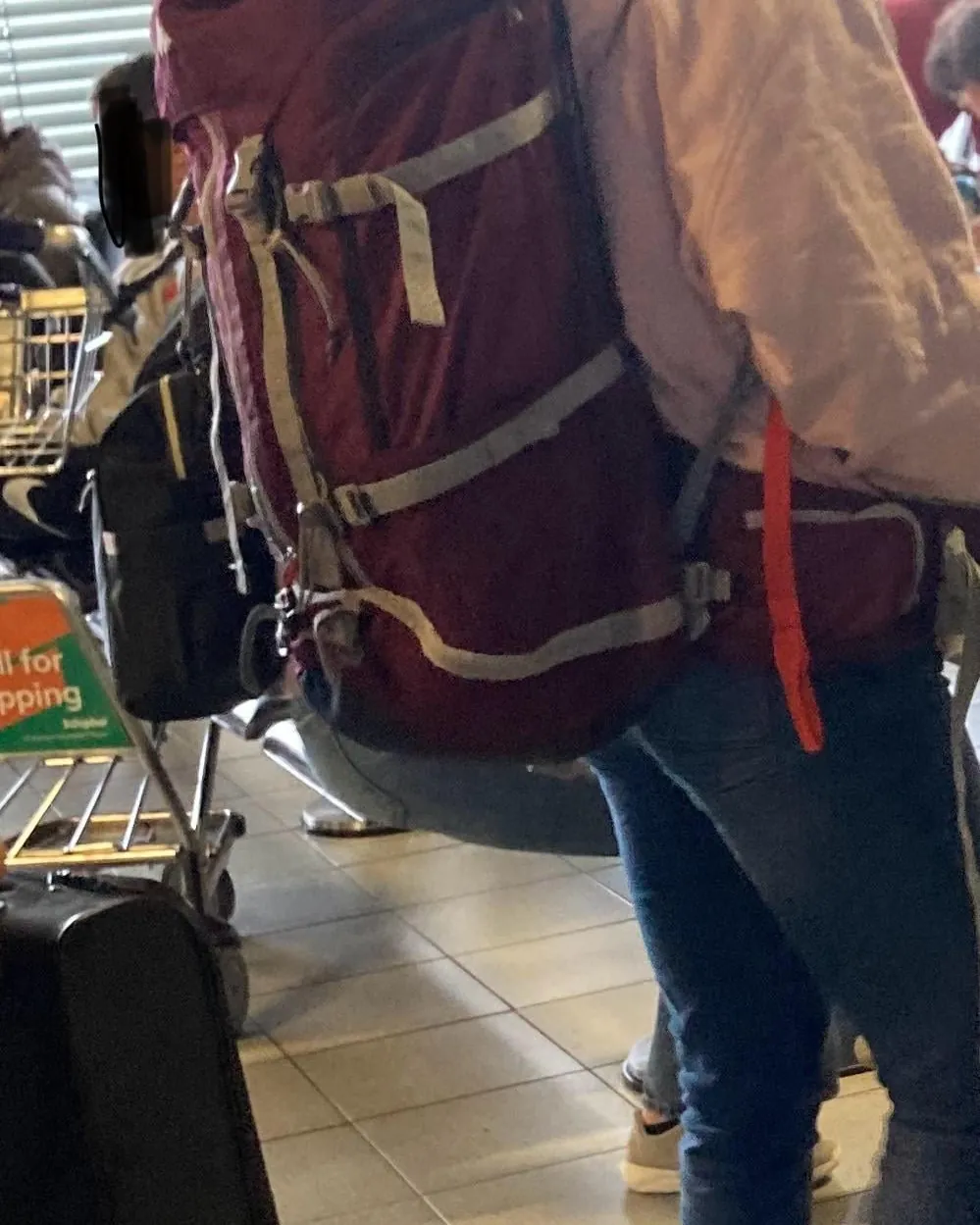
Streamlining your equipment avoids hold-ups at security and gate-check interventions.
Protect Straps and Buckles
Exposed nylon webbing snags on conveyor belts and bin latches. Cinch shoulder straps against the back panel. Buckle the sternum clasp and tuck hanging tails into elastic loops.
Distribute Heavy Wilderness Weight
Arrange heavy items against the back panel. Keep electronics like your laptop computer and power banks in top pockets for quick removal.
Prepare for Rain Covers
If an airline gate agent insists your pack is too bulky for a crowded flight, you’ll have to gate-check it. Keep a rain cover or duffel bag in an exterior pocket.
Frequently Asked Questions
Can a 50L hiking backpack pass as a carry-on?
A 50L hiking backpack is generally too tall for airplane overhead bins. These packs usually measure between 26 and 30 inches in height, which exceeds standard airline limits of 22 inches. You can only carry a 50L pack aboard if it lacks an internal frame, remains half-empty, and compresses completely down to standard carry-on dimensions.
Will hiking poles be allowed inside airplane cabin luggage?
No, the Transportation Security Administration prohibits standard hiking poles in cabin luggage. Security agents view trekking poles with carbide or steel tips as potential weapons. If you travel without checked bags, plan to rent poles or purchase inexpensive trekking sticks after landing.
Can a hiking daypack count as an airline personal item?
Yes, a compact daypack under 25 liters can function as your personal item if it fits fully under the seat in front of you. Daypacks from brands like Patagonia, Osprey, and Deuter work well, provided external water bottles and accessories don’t cause the pack to exceed standard 18 x 14 x 8-inch under-seat dimensions.
What happens if my hiking pack fails the gate size check?
If your hiking pack doesn’t fit the metal sizing display or overhead bin, airline agents will require you to gate-check the bag. You must quickly remove fragile electronics, camp stove lighters, and lithium power banks before ground crew place the pack into the cargo hold, returning it to you on the jet bridge after landing.
Grab a household tape measure right now and check your pack’s rigid frame height from top to bottom.
Conclusion
Before you head to the airport, double-check your pack’s side pockets for any forgotten trekking poles or pocket knives that might get confiscated at security. It’s better to be safe than sorry, so take a quick moment to clear out your gear. You’ll be ready for your next adventure in no time.