
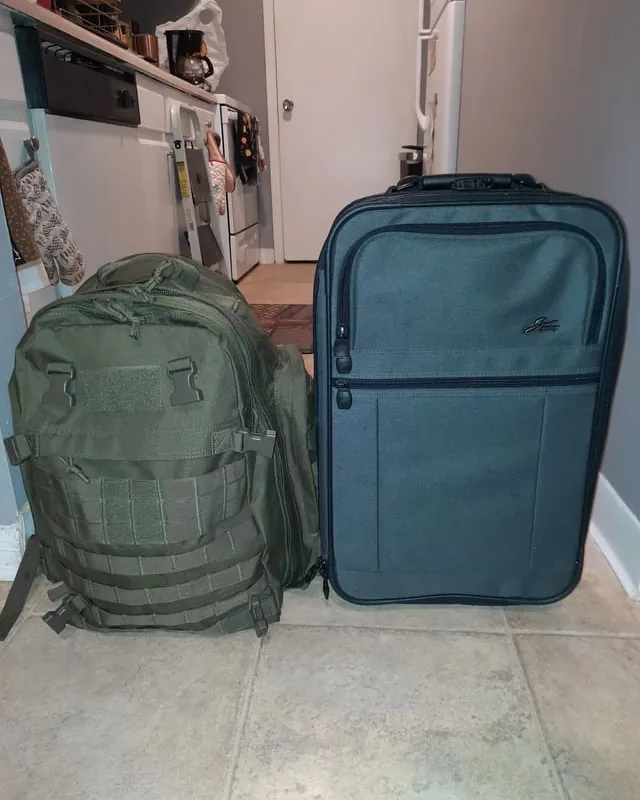
Yes, you can absolutely bring both a carry-on bag and a backpack on almost every commercial flight, provided they meet the airline’s specific size and quantity requirements. Most major carriers allow passengers one standard carry-on suitcase and one personal item, which is where your backpack typically fits in. By treating your backpack as a personal item, you maximize your storage space without incurring additional baggage fees, as long as the backpack fits underneath the seat in front of you.
Key Takeaways
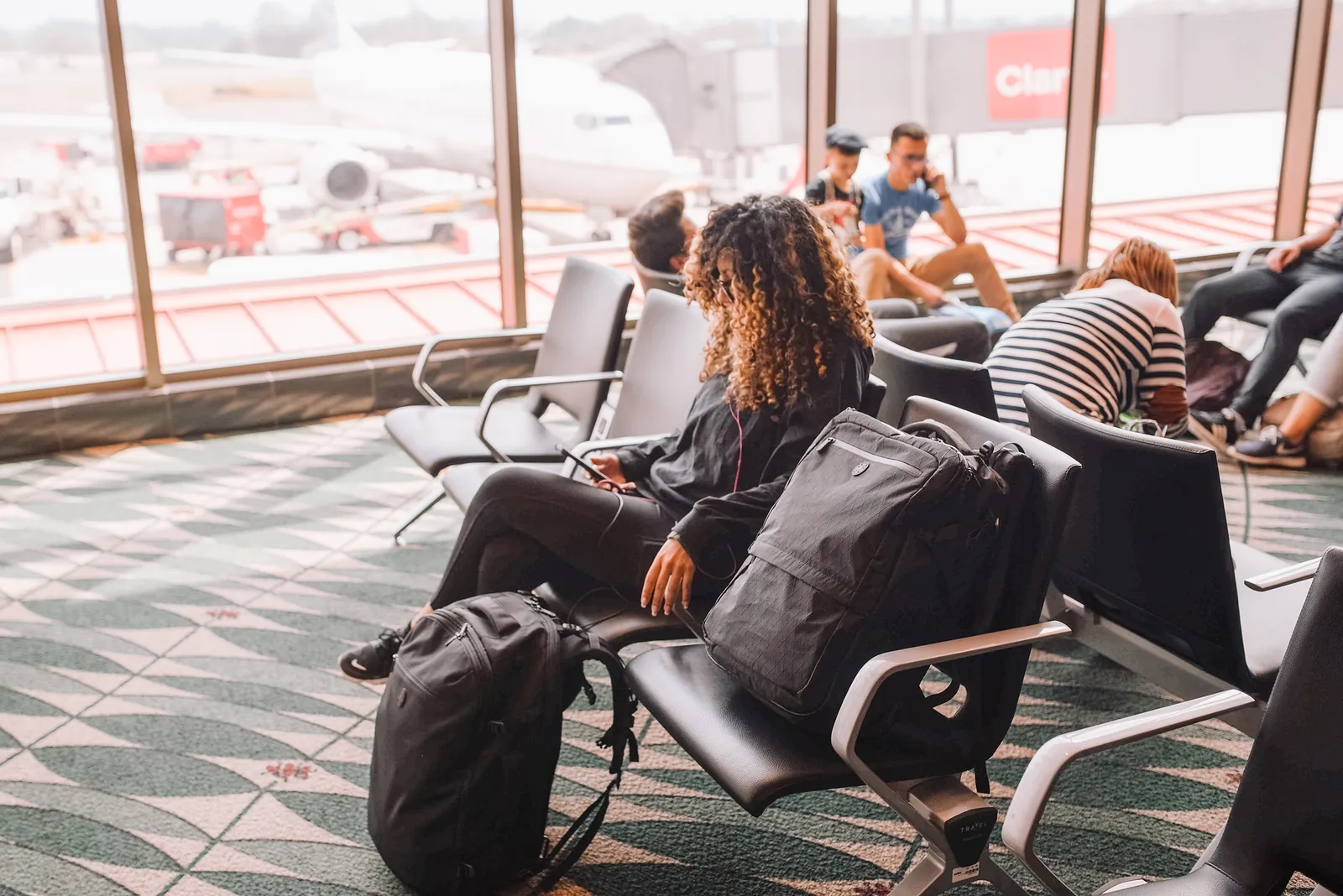
- Standard airline policies typically permit one carry-on bag and one personal item.
- Your backpack must fit entirely under the seat in front of you to qualify as a personal item.
- Total weight limits often apply to the combined weight of both bags rather than individual pieces.
- Always check the specific baggage policy on your airline’s official baggage allowance page before arriving at the airport.
- Overhead bin space is reserved for larger carry-on suitcases, not backpacks.
Can You Have A Carry On And Backpack?
The short answer is yes, most airlines categorize a backpack as a personal item. A personal item is defined as a bag that’s smaller than your standard overhead carry-on suitcase.
While carry-on bags are designed for the overhead bin, your backpack is intended to be stowed at your feet. This dual-bag strategy is the most efficient way to travel, allowing you to keep essentials like medication, electronics, and documents within arm’s reach while your bulkier items remain secured in the overhead compartment.
Understanding Size And Weight Limits
Every airline sets its own dimensions for personal items and carry-ons. While there’s no universal standard, most airlines expect a personal item to measure roughly 18 x 14 x 8 inches. Your carry-on suitcase should generally not exceed 22 x 14 x 9 inches. If your backpack is oversized, a gate agent may force you to gate-check it, which often results in a fee. Always verify your airline’s specific measurements, as budget carriers are significantly stricter than legacy airlines.
| Item Type | Standard Location | Typical Size Range (Inches) |
|---|---|---|
| Carry-on Suitcase | Overhead Bin | 20–22 x 13–14 x 8–9 |
| Personal Item | Under Seat | 15–18 x 10–14 x 6–8 |
Strategies For Efficient Packing
To successfully navigate security with two bags, organize your items by frequency of use. Place items you need during the flight, such as headphones, chargers, and snacks, in your backpack. Keep clothing and toiletries in your carry-on suitcase. This prevents you from digging through your overhead luggage during the flight, which creates aisle congestion.
Pro Tip: Use packing cubes to compress your clothing inside your carry-on suitcase, which leaves more room for overflow items if you decide to consolidate your gear before boarding.
Navigating Airport Security
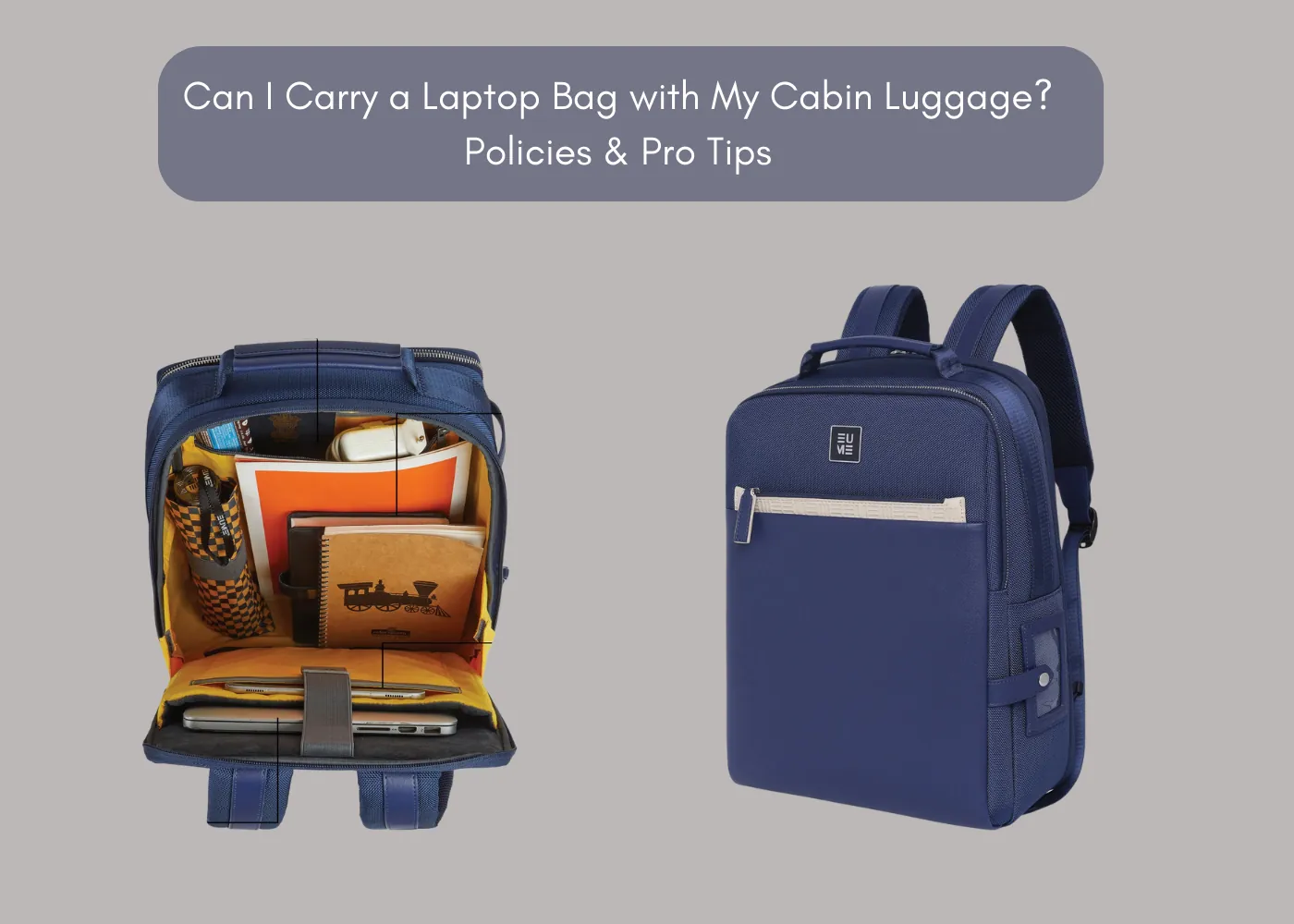
Security checkpoints don’t care how many bags you have, provided they fit through the X-ray machine. However, having two bags means you have more items to process. Ensure that your laptop and any liquids are easily accessible in your backpack so you can pull them out quickly.
If you carry a large amount of electronics, consider using a dedicated tech organizer to keep cords from tangling, as this makes your bag easier to inspect if the TSA agent requests a secondary screening.
What If You Are Flying Budget?
Budget carriers like Spirit, Frontier, or Ryanair often charge for full-sized carry-on suitcases. In these instances, your “personal item” (the backpack) might be the only bag you’re allowed for free. If you bring a carry-on suitcase in addition to your backpack on these airlines, expect to pay a fee that usually ranges from $30 to $100 depending on how close you’re to the departure time.
| Airline Category | Personal Item | Carry-on Suitcase |
|---|---|---|
| Legacy Carriers | Included | Included |
| Low-Cost Carriers | Included | $30–$100 Fee |
| Ultra-Budget Carriers | Included (Small) | $50–$150 Fee |
Managing Your Bags Onboard
Once you board the aircraft, be mindful of space. Place your carry-on suitcase wheels-first into the overhead bin to maximize the available room. Place your backpack under the seat directly in front of you. If you’re seated in an exit row or a bulkhead seat, you may be required to stow all baggage in the overhead bin during takeoff and landing, as there’s no seat in front of you to hold your backpack.
Warning: Don’t attempt to place your backpack in the overhead bin if the flight is full, as this takes up space intended for other passengers’ larger suitcases.
Frequently Asked Questions
Does my laptop bag count as a second item?
Yes, most airlines count a laptop bag or briefcase as your personal item. If you have a backpack and a separate laptop bag, the airline will likely require you to consolidate them into one bag or pay for an additional carry-on. Always check the policy to see if a small laptop sleeve is permitted in addition to your two main bags.
What happens if my backpack is too big?
If your backpack is too large to fit under the seat, the gate agent may categorize it as a carry-on. If you already have a carry-on, you’ll be forced to check one of the bags. This can result in significant baggage fees if you’re flying with a budget airline, so measure your bag before you head to the airport.
Can I bring a purse and a backpack?
Most airlines allow one personal item and one carry-on. If your purse is small enough to fit inside your backpack, you can effectively treat them as a single personal item. If you carry them separately, the gate agent may count the purse as your second item, forcing you to pay for your carry-on suitcase as a checked bag.
Do weight limits apply to backpacks?
While many airlines don’t weigh carry-on bags unless they look visibly heavy, some international carriers have strict total weight limits for cabin baggage. These limits often range from 15 to 22 pounds for the combined weight of your carry-on and personal item. Always check the airline’s website if you’re traveling internationally, as they’re often more stringent than domestic carriers.
Conclusion
By following these guidelines, you can travel confidently with your two bags. Remember to verify the specific size requirements for your chosen airline before you pack. If you’re uncertain about the dimensions of your gear, use a soft-sided backpack that can be compressed to fit under a seat if needed, and always check your airline’s website for the most current baggage rules.