
Yes, you can absolutely bring a backpack and carry-on luggage onto most flights, provided they meet the specific requirements of your airline. Most major carriers permit one standard carry-on bag—which typically fits in the overhead bin—and one personal item, such as a backpack, that must fit under the seat in front of you. While policies vary by airline, you generally don’t pay extra for these two items unless you’re flying on a restrictive basic economy fare.
Key Takeaways
Photo: eumeworld.com on Google
- Confirm your airline’s specific size limits for both the overhead bin bag and the under-seat personal item.
- Ensure your backpack fits fully underneath the seat in front of you to comply with gate staff regulations.
- Check your boarding pass for baggage restrictions, as basic economy tickets often limit passengers to one item only.
- Place essential documents, medications, and electronics in your backpack for easy access during the flight.
- Measure your bags before heading to the airport to avoid surprise gate-check fees or forced check-in costs.
Can You Bring A Backpack And Carry On?
The short answer is yes, most airlines allow a dual-bag configuration consisting of one carry-on suitcase and one personal item, which is usually a backpack. The personal item must be small enough to stow securely beneath the seat ahead of you. The carry-on bag is intended for the overhead bin. If your backpack is large enough to be considered a suitcase, it may count as your carry-on, leaving you with no additional room for a second bag.
Categorizing Your Luggage Types
To avoid confusion at the boarding gate, it’s helpful to understand how airlines categorize bags. A carry-on bag is the primary item you bring into the cabin, while a personal item is a smaller secondary bag.
| Bag Type | Typical Placement | Size Limit (Approx.) |
|---|---|---|
| Carry-on | Overhead Bin | 22 x 14 x 9 inches |
| Personal Item | Under Seat | 18 x 14 x 8 inches |
| Checked Bag | Cargo Hold | Varies by weight/class |
Rules For Basic Economy Fares
Warning: Basic economy tickets often come with severe baggage restrictions that differ from standard economy. Some carriers, such as United Airlines or JetBlue, may restrict basic economy passengers to only one personal item.
If you attempt to bring a full carry-on suitcase in addition to your backpack on these fares, you’ll likely be forced to check the bag at the gate, which often incurs a significant fee. Always verify your specific ticket class rules on the carrier’s official website before packing.
Packing Your Backpack Efficiently
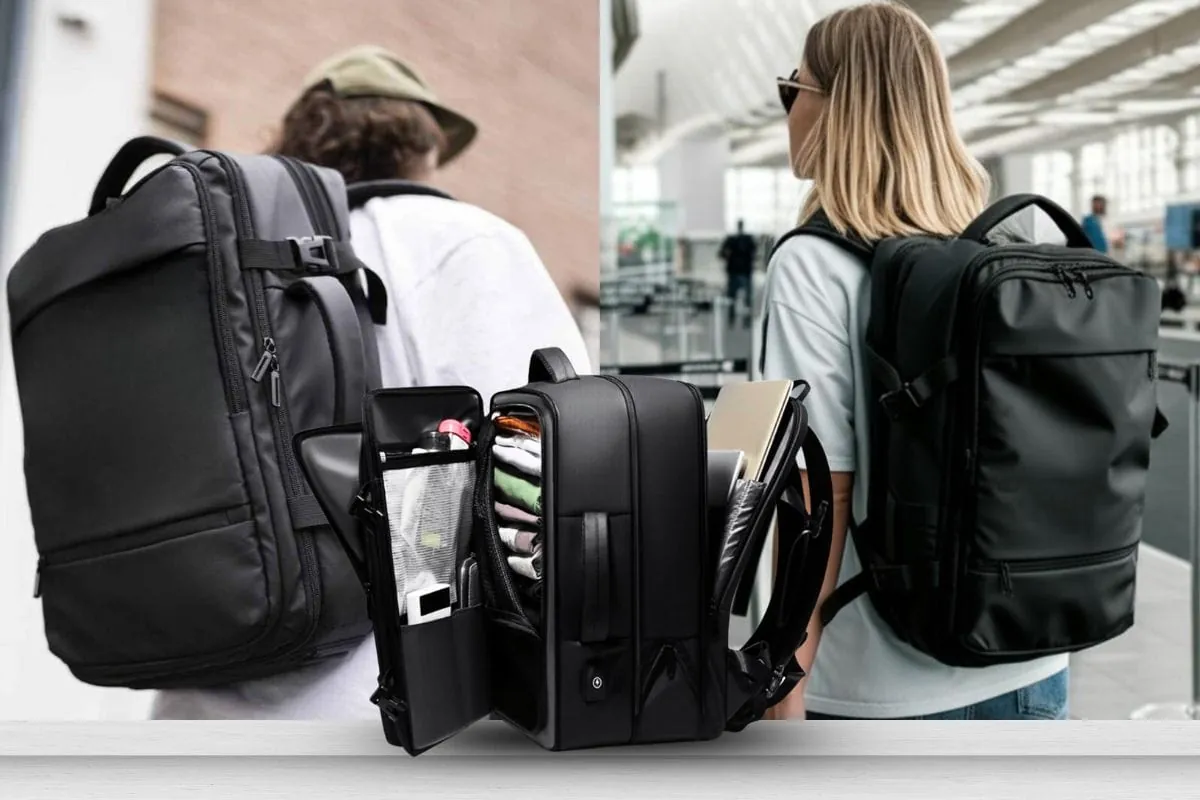
When using a backpack as your personal item, you should prioritize travel essentials that you might need mid-flight. Since the overhead bin is often difficult to access once the plane is in the air, your backpack acts as your primary storage for comfort and utility.
- Electronics: Laptop, tablet, noise-canceling headphones, and charging cables.
- Documents: Passport, boarding pass, identification, and travel itineraries.
- Health: Prescription medications, hand sanitizer, and personal hygiene products.
- Comfort: Neck pillow, light sweater, and an empty water bottle.
How To Measure Your Bags
Pro Tip: Use a standard soft measuring tape to check the dimensions of your backpack while it’s fully packed. A bag that looks small when empty can bulge significantly when full, potentially exceeding the maximum dimensions allowed by the airline. If your bag is too large, it may not fit under the seat, which forces the crew to move it to the overhead bin or check it into the cargo hold.
Understanding Airline Size Limits
Airlines maintain strict guidelines to ensure that all passengers have enough space for their belongings. The Transportation Security Administration carry-on guidelines provide general safety information regarding what you can pack, but the size limitations are strictly enforced by the airline staff to keep the boarding process moving quickly. Always check the airline’s specific baggage policy page to ensure you’re within the allowed limits for your particular flight.
Managing Your Bags At Security
Security checkpoints can be stressful when you have multiple bags. To streamline the process, place your electronic devices and liquids in easily accessible pockets of your backpack. You’ll need to remove these items at most security stations. Keep your identification and boarding pass in a separate, secure pocket so you don’t have to dig through your main luggage while standing in the queue.
Comparing Airline Baggage Policies
It’s vital to recognize that not every airline follows the same rules. Some budget carriers charge for even the smallest carry-on bags, while legacy carriers usually allow two items for free.
| Airline Class | Personal Item | Carry-on Bag |
|---|---|---|
| Major Legacy | Included | Included |
| Budget Carrier | Included | Paid/Restricted |
| Basic Economy | Included | Often Prohibited |
Avoiding Gate Check Fees
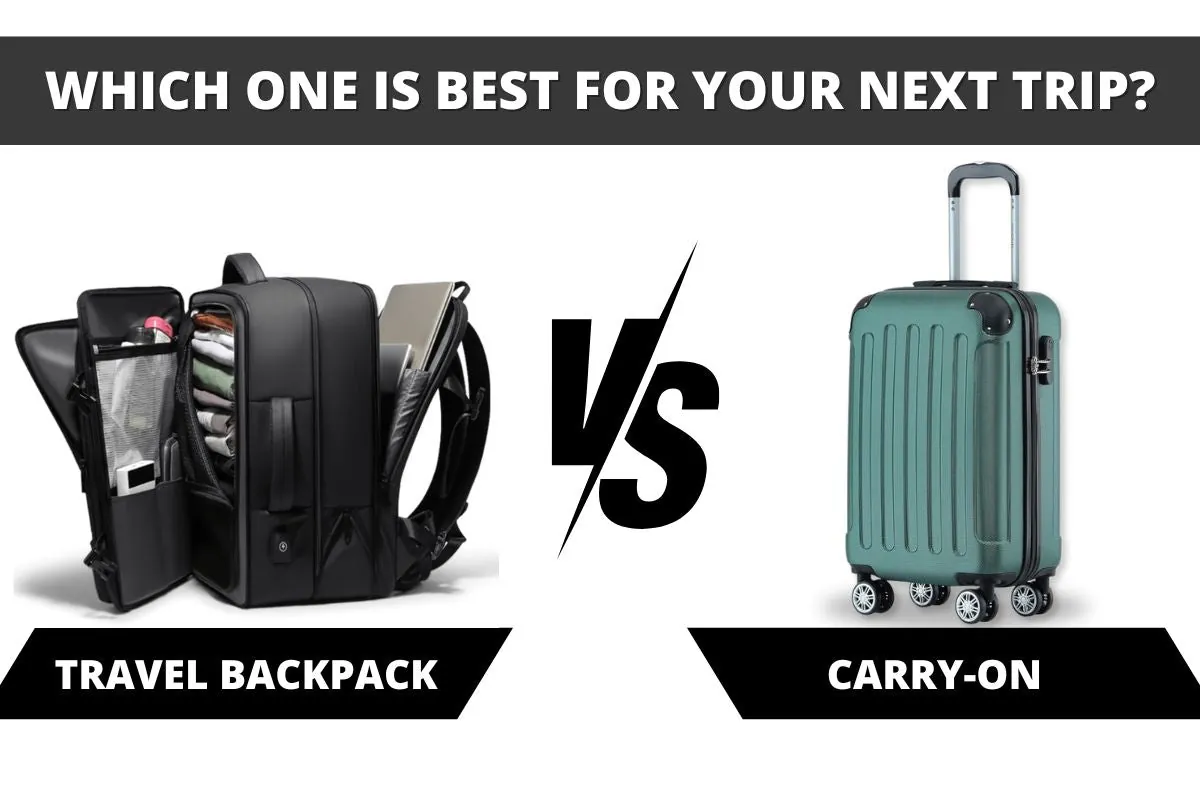
If you arrive at the gate with bags that exceed the allowed size or quantity for your ticket, you may be required to gate check your luggage. This process involves handing your bag over to the flight crew to be placed in the cargo hold. This is often more expensive than paying for checked bags in advance. To avoid this, ensure your backpack fits comfortably under the seat and your carry-on meets the airline’s specific height and width restrictions.
Related guides
- Can I Bring a Backpack and a Carry On Luggage? Airline Rules
- Can I Bring Carry On Luggage and Backpack? Airline Rules Explained
- Can I Bring a Carry on Bag and a Backpack? Airline Rules
Frequently Asked Questions
Does my laptop bag count as a personal item?
Yes, most airlines consider a laptop bag, briefcase, or messenger bag to be a personal item. If you’re already bringing a backpack, you must ensure that your laptop fits inside the backpack itself, or you’ll be carrying two personal items, which is generally not permitted. You must combine these into one bag to comply with the one-personal-item rule.
Can I carry a backpack and a purse?
You can, but only if the purse fits inside the backpack. Airlines strictly enforce the “one personal item” rule. If you carry a backpack on your back and a purse over your shoulder, the gate agent will likely count that as two separate items. To avoid issues, place your purse inside your backpack before you reach the boarding gate.
What happens if my bag is slightly too big?
If your bag exceeds the dimensions, the gate agent may force you to check it. This often comes with a fee that’s higher than the cost of checking a bag online before you arrive at the airport. In some cases, if the flight is full, they may gate-check your bag for free, but you should never rely on this outcome.
Are there weight limits for personal items?
While many airlines focus on the physical dimensions of the bag, some carriers do have weight limits for carry-on items. These usually range from 15 to 25 pounds. If your backpack is exceptionally heavy, the staff may ask you to weigh it at the check-in counter. Always check your airline’s specific policy to confirm if they enforce a maximum weight for personal items.
Can I bring a backpack and a roller bag?
Yes, this is the standard combination for most travelers. The roller bag serves as your carry-on for the overhead bin, and the backpack serves as your personal item for under the seat. This setup is perfectly acceptable on almost all major airlines, provided both bags are within the size limits specified by your carrier for your ticket class.
Conclusion
Before you head to the airport, log in to your airline’s mobile app or website to confirm your specific baggage allowance. Double-check your ticket type to ensure you aren’t restricted to a single bag. By verifying these details tonight, you can avoid unexpected fees and enjoy a much smoother boarding experience tomorrow morning.