
If you are wondering where can i buy a nice backpack, specialty outdoor retailers like REI or premium manufacturers like Osprey offer high-quality options. These brands provide durable materials and ergonomic designs with lifetime warranties that outperform basic department store bags.
Choosing your gear
The primary factor in your decision is the intended use, such as daily commuting, hiking, or international travel. The most common mistake is buying a pack based only on aesthetics without checking the torso length or frame capacity. If you choose a pack that’s too large for your frame, it will cause back pain; if it’s too small, you can’t distribute the weight correctly.
Where can I buy a nice backpack: Expert Tips
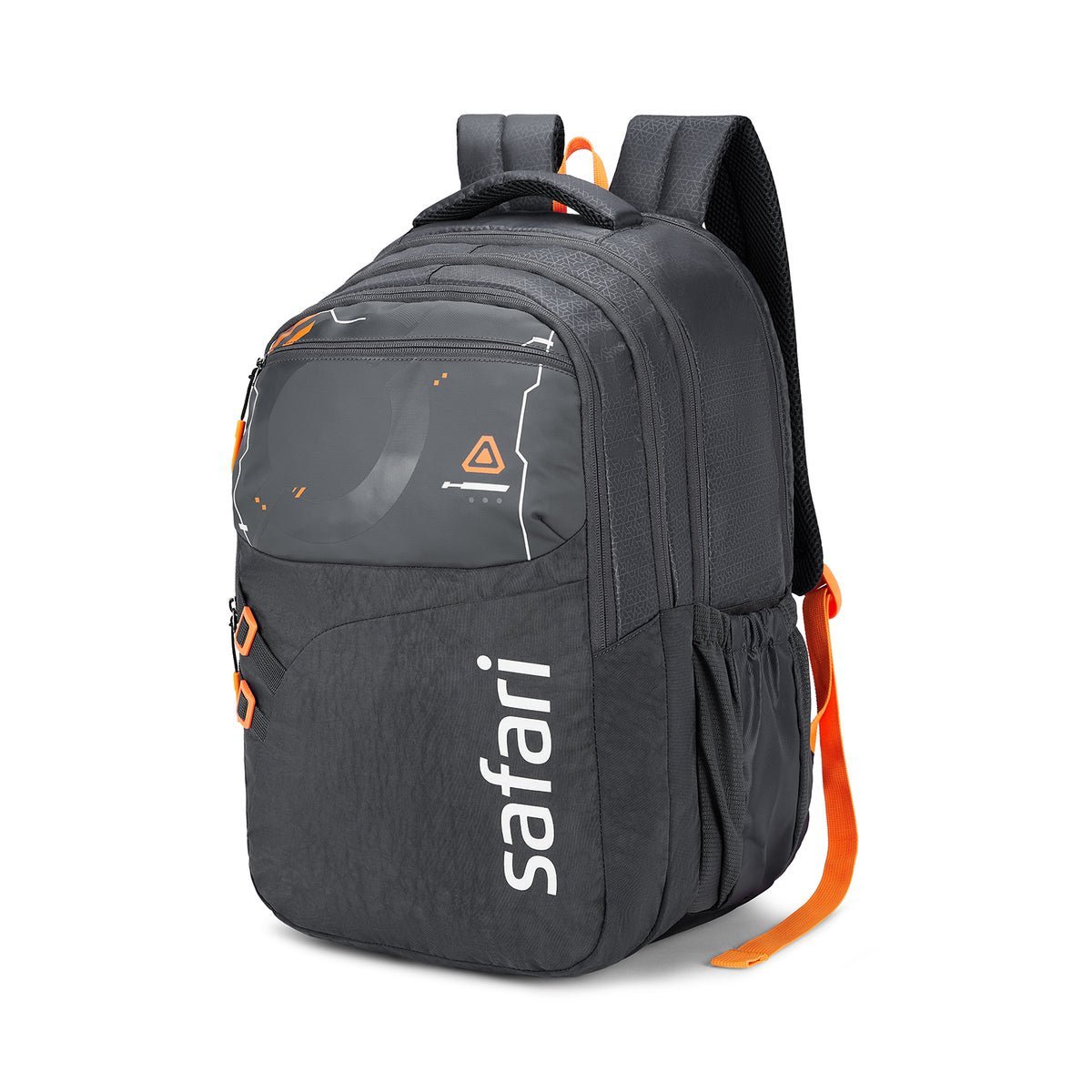
- Measure your torso length from the C7 vertebra to the iliac crest to ensure a proper fit.
- Choose a capacity between 20 and 30 liters for daily use, or 40 to 60 liters for multi-day trips.
- Verify the inclusion of a sternum strap and a padded hip belt to help transfer weight away from your shoulders.
- Test the zippers and buckles for smooth operation, as these are the first parts to fail under heavy load. Tip: If you plan to carry a laptop, ensure the compartment has a suspended sleeve to protect the device from impact.
- Visit a store to try on the pack with weight inside to see how the suspension system feels against your body. Tip: If the pack pulls backward, the shoulder straps are likely too loose or the load is packed incorrectly.
- Check the warranty policy; many manufacturers provide repairs for manufacturing defects according to the Osprey product guarantee.
Time Estimates for Selection
| Situation | How long | What changes it | What to watch for |
|---|---|---|---|
| Online research | 1-2 hours | Number of brands reviewed | Missing return policies |
| In-store fitting | 30-45 minutes | Staff availability | Pressure points on hips |
| Warranty claim | 3-6 weeks | Shipping distance | Proof of purchase status |
If your search takes longer than two days, you’re likely over-analyzing minor features rather than focusing on the fit.
Most buyers err by comparing technical specs that have no impact on daily comfort. If you find yourself reading more than ten customer reviews, stop immediately. You have entered the diminishing returns phase of research.
Use this decision rule: if you can’t decide between two models after two hours of total research, pick the one with the better return policy. A flexible return window acts as your insurance against a poor fit. If the item arrives and feels wrong, you have a fail-safe. If you prioritize specs over the ability to return, you risk being stuck with gear that doesn’t serve you.
Checking the Build Quality
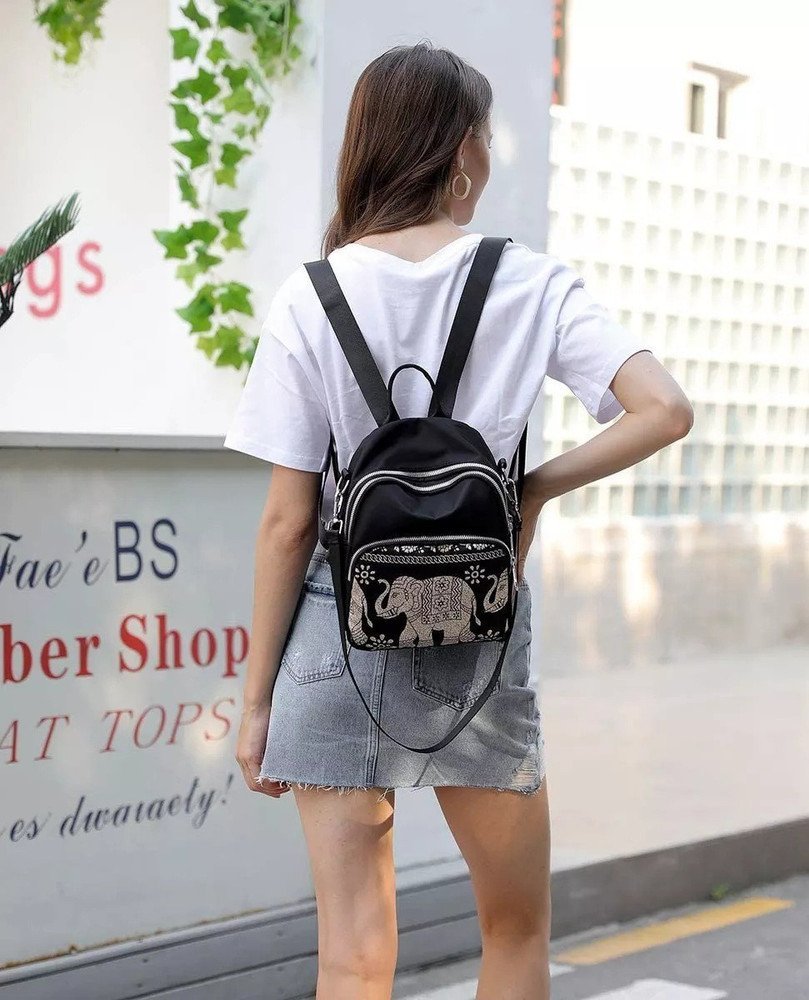
Look for high-denier nylon fabrics, which offer better abrasion resistance than standard polyester. Inspect the stitching at stress points like shoulder strap attachments; it should be double-stitched or reinforced with bar-tacks. A reliable pack will stand upright when empty, indicating a stable internal frame. The final test is the weight distribution: when the pack is loaded with 15 pounds, the hip belt should carry about 80% of the weight. If you feel the pressure mostly on your shoulders, the pack is either adjusted incorrectly or the wrong size for your torso.
Common Buying Mistakes
- Ignoring the torso length: This leads to poor weight distribution that causes shoulder fatigue within minutes of walking. Always match the pack size to your specific back measurement rather than your height.
- Prioritizing style over structure: A bag that looks good but lacks a frame or padding will become uncomfortable once you add your daily essentials. Focus on the internal suspension system first to ensure the bag can handle your daily load.
- Buying without a return policy: You can’t know how a bag fits until you wear it for at least 30 minutes. Always buy from retailers that allow returns after you have tried the bag with your own gear inside.
Frequently asked questions
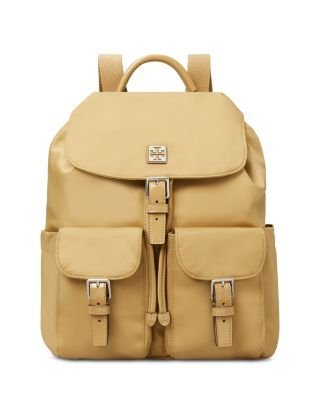
Can I use a hiking backpack for school?
Yes, you can use a hiking backpack for school, but it may be overkill for your needs. Hiking packs often lack protective laptop sleeves and internal organization pockets. If you choose this route, look for a “daypack” model, which offers a balance of comfort and organization suitable for both environments.
How long should a quality backpack last?
A high-quality pack typically lasts for many years with regular use. This varies by model — check the label for material specifications and usage ratings. If you use the bag for daily commuting with heavy books, you should expect more wear on the base and shoulder straps.
Is it safe to buy a used backpack?
Yes, it’s safe to buy a used backpack if you inspect the zippers and seams for damage before purchasing. Ensure the frame isn’t bent and that the fabric doesn’t show signs of mold or heavy thinning. Always ask the seller if the pack was stored in a dry, climate-controlled environment.
What happens if the zipper breaks?
If a zipper breaks, you should contact the manufacturer to see if they cover it under their warranty policy. Many premium brands will repair or replace the zipper at no cost if the failure is due to a material defect. Don’t attempt to force a stuck zipper, as this often causes permanent damage to the fabric track.
How much weight can a standard backpack carry?
A standard daypack is designed to carry between 10 and 20 pounds comfortably. This assumes the standard size; for the large one, allow for a higher capacity, but be aware that exceeding the manufacturer’s recommended weight will void your warranty. Check the manufacturer’s manual for the specific load limit of your chosen model.
Final Thoughts
Before you make your final choice, head to a local shop to try on a few models with some weight inside. You’ll quickly see how the straps feel against your shoulders. Don’t settle for anything less than perfect comfort, as you’re going to be carrying this bag for years to come.