
If you are wondering where can i get good backpacks, outdoor gear shops, direct brand websites, and specialized luggage stores are the most reliable retail spots to find them with certified warranties.
The short version
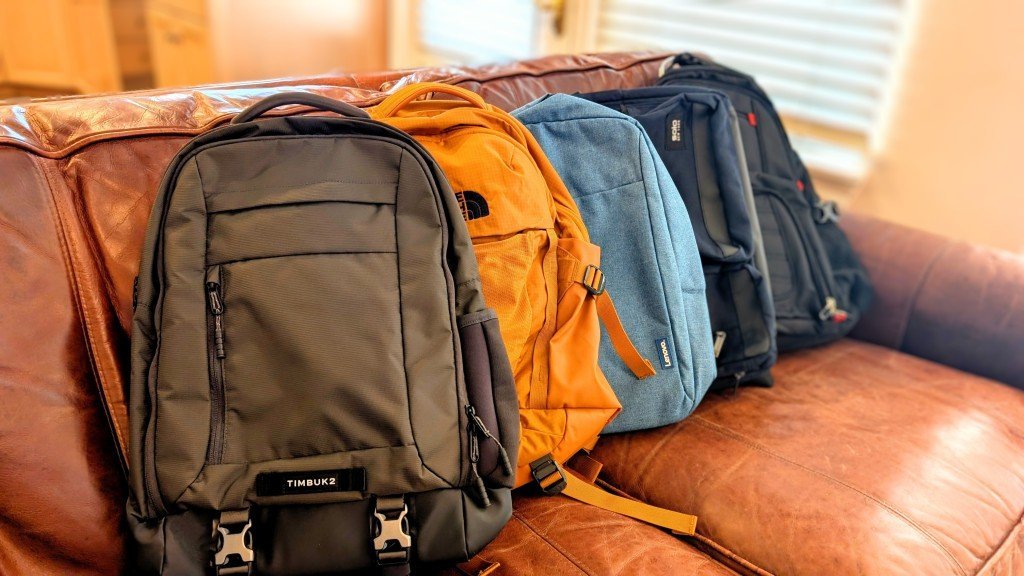
- Outdoor specialty retailers like REI carry brands that offer lifetime stitch and zipper warranties.
- Direct manufacturer stores give you the complete range of harness sizes for your specific torso length.
- School and work commuters find standard 20-liter bags at major department stores with simple 30-day return windows.
- Technical hiking packs requiring hip adjustments between 28 and 40 inches are best fitted in brick-and-mortar sports shops.
- Certified second-hand gear programs run directly by brands let you save cash while keeping factory repair coverage.
Why retail channels affect pack durability
Store types determine the actual build quality of the gear on the rack. Brands manufacture specific product tiers for different sales channels. Big-box discount stores frequently stock diffusion lines made from 200-denier polyester to hit low price points. Specialist outfitters refuse these tiers and stock 500-denier to 1000-denier Cordura nylon, which resists abrasion against asphalt or rock.
Hardware quality also changes depending on where the inventory is sourced. High-end brands sell their genuine stock through authorized dealers using self-repairing YKK coil zippers and acetal plastic buckles. Third-party digital marketplaces mix unverified third-party sellers into shared bin storage, which raises the risk of buying counterfeit bags. A counterfeit bag looks identical on a screen, but its seams lack the double bartack stitching needed to carry heavy loads. According to the American Academy of Pediatrics backpack safety guidelines, a loaded pack should never weigh more than 10 to 20 percent of your body weight, which requires secure strap anchorage that knockoffs fail to provide.
When the answer is different
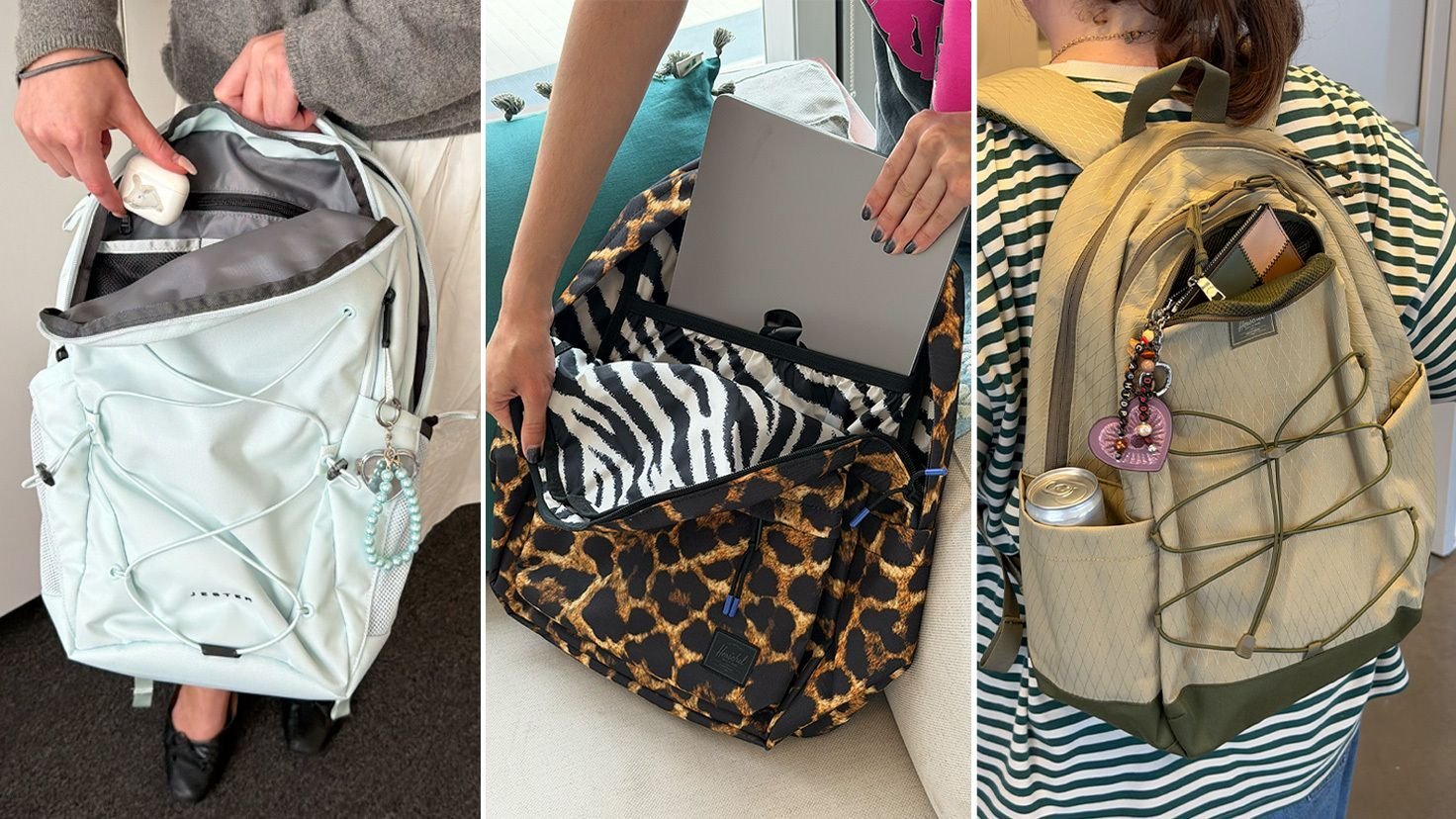
If you carry heavy loads daily, buy from specialized shops; if you only need light storage once a week, general retailers work fine.
| Situation | What changes | What to do instead |
|---|---|---|
| Heavy trail hiking | Torso length matters | Visit physical outdoor stores |
| Short daily commutes | Weather protection matters | Buy direct from bag makers |
| Air travel carry-on | Bag dimensions matter | Shop specialized luggage brands |
| Strict low budget | Stitching quality drops | Buy certified used factory gear |
| Elementary school use | Bag tare weight matters | Check department stationery shops |
How to do it properly
- Measure your torso length from the base of your neck to the top of your hip bones using a flexible tape.
- Select a store that lists volume in liters, choosing a 20-liter to 30-liter bag for standard day-to-day use.
- Test the zipper action across every compartment, checking that the pulls glide smoothly without snagging the storm flaps.
- Add 10 pounds of weighted material to the main pocket in the store to test how the shoulder straps cushion your collarbone.
- Fasten the sternum strap across your chest, ensuring it sits about one inch below your collarbones without riding up.
The mistakes that ruin it
- Ordering online without checking torso measurements leaves the hip belt resting across your stomach instead of your pelvis.
- Buying purely for fashion prints gives you thin single-stitched seams that split along the zipper line under heavy textbook loads.
- Choosing massive 40-liter bags for office transit tempts you to overpack, which stretches the strap foam until it stops cushioning.
- Skipping the physical retailer to save shipping money costs you return freight fees when the back panel rubs your spine incorrectly.
Frequently asked questions
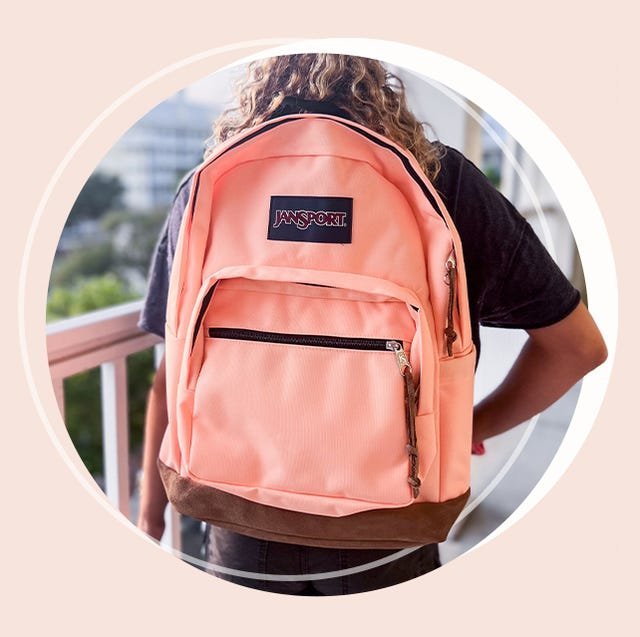
Where can I get good backpacks?
Yes. Department stores carry reputable transit brands, but you must check the label for heavy nylon fabrics instead of cheap polyester. Inspect the stress points where the shoulder straps join the top carry handle before purchasing.
Is it safe to buy bags from online marketplaces?
No, not if you buy through unvetted third-party marketplace sellers. Many unauthorized accounts sell convincing visual replicas that use weak thread and brittle plastic clasps. Buy only when the listing states the brand itself fulfills the order.
Does backpack size matter for daily office work?
Yes. A bag between 18 and 25 liters fits a 15-inch laptop, a charger, and lunch without extra bulk. Bags over 30 liters cause your belongings to slide around, which strains the zipper seams during regular walking.
What happens if the bag frame doesn’t fit your torso?
Your shoulders will carry all the weight instead of your hips. This uneven distribution pinches nerves in your neck and causes muscle fatigue. Adjustable harness designs let you reposition the straps to fix the gap.
How long should a good daily backpack last?
Quality bags using heavy-gauge fabric and bound seams easily survive daily transit wear. This varies by model — check the label for specific nylon ratings and seam construction details.
Why do some identical packs cost twice as much?
Fabric grade and construction labor create the price gap. High-end packs use dense Cordura nylon, water-resistant coatings, and reinforced bartack box stitches. Cheaper variants trade durable fabrics for thin, unlined materials that tear quickly under load.
Final Thoughts
Choosing the right bag is a personal journey, so don’t rush your decision. Visit a local shop this weekend to try a few on with some weight inside. You’ll quickly feel which design fits your frame best, and you won’t regret taking the extra time to find a perfect, comfortable match.