
If you are wondering how much does a backpack cost, expect to pay $20 to $50 for a basic model, though prices vary by durability and features. Professional-grade gear for hiking or technical travel typically ranges from $150 to $300 or more.
What a backpack costs
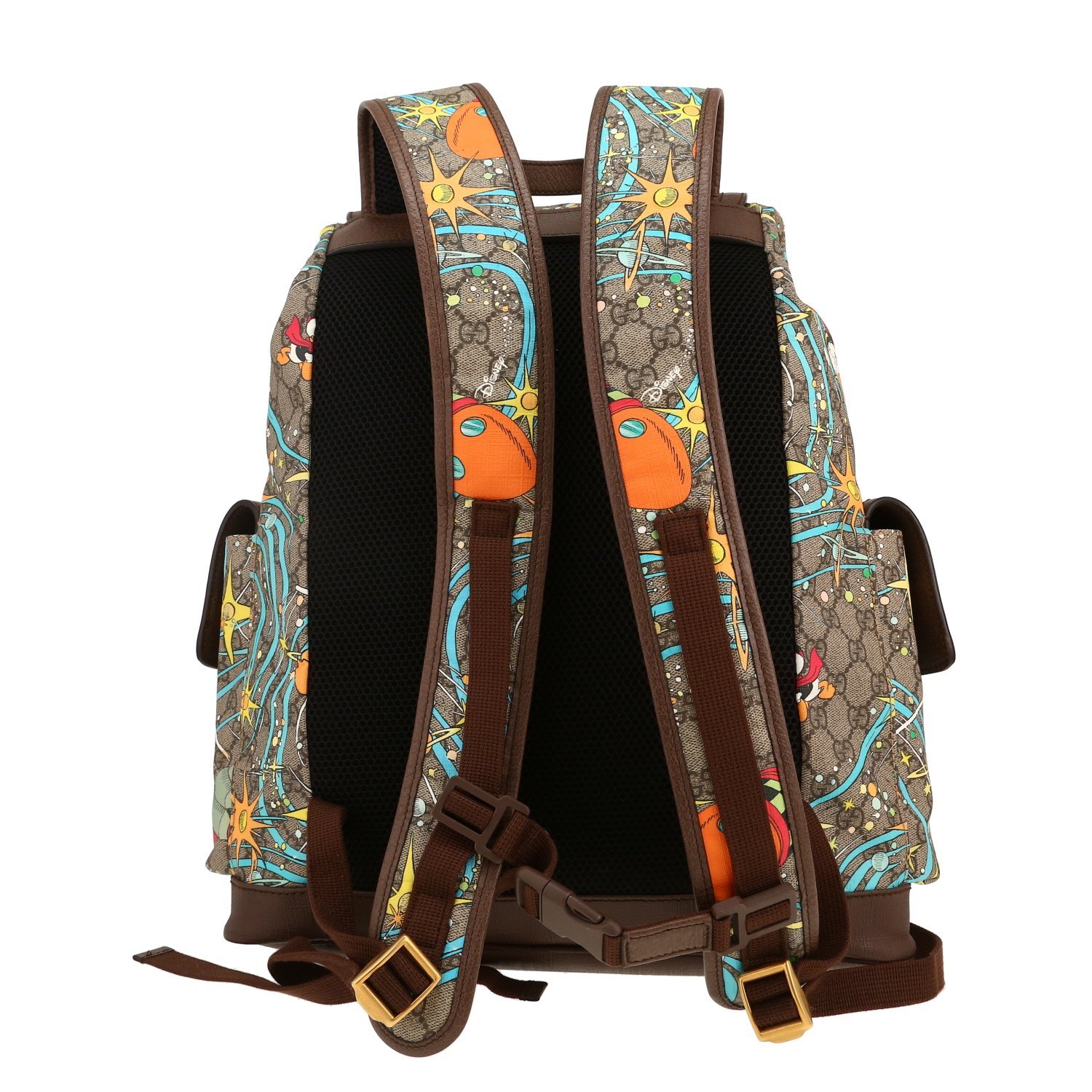
- Budget bags for light school use typically range from $20 to $40.
- Mid-range laptop backpacks with padded compartments usually cost $60 to $120.
- Professional hiking packs with internal frames often start at $150 per unit.
- Check the material density (measured in Denier) to judge if the price matches the quality.
- If you find a bag under $30, assume the zippers and stitching will fail within one year.
- Always test the weight distribution on your shoulders before finalizing any purchase.
Reasons for price differences
The cost of a backpack reflects the quality of materials, the complexity of the design, and the research invested in ergonomics. Manufacturers use different types of fabric, such as high-denier nylon, which is more expensive than standard polyester but significantly more resistant to tearing and water. You can see how material standards influence product longevity by checking the fabric strength specifications used by major manufacturers.
Expensive bags often include specialized features like moisture-wicking back panels, internal frames for weight distribution, and YKK-branded zippers that prevent jamming. These components add to the total production cost. Conversely, cheaper models use generic hardware and thinner fabrics that don’t handle heavy loads well over time. If you’re choosing between two bags, look at the stitching; if it’s double-stitched at the stress points, it will hold more weight without tearing.
When the answer is different
| Situation | What changes | What to do instead |
|---|---|---|
| Daily school use | Lower price point | Buy basic polyester |
| Heavy laptop carry | Higher price point | Choose padded compartments |
| Multi-day hiking | Much higher price | Look for internal frames |
| Waterproof needs | Higher price point | Check for sealed seams |
| Brand prestige | High price premium | Buy functional generic gear |
If you carry over 15 pounds daily, skip standard nylon straps. They will dig into your trapezius muscles within twenty minutes. Instead, prioritize bags with load-lifter straps that shift weight toward your hips.
For waterproof needs, don’t trust “water-resistant” labels. These bags fail after ten minutes in a steady downpour. Look for heat-welded seams and roll-top closures. If the zipper is exposed, water will eventually leak through the teeth.
Most buyers mistake style for durability. A high-end logo rarely guarantees reinforced stitching at stress points like the base or shoulder anchor. Check the denier rating instead. A 600D fabric is the sweet spot for daily wear. Anything below 400D will tear under heavy books, while anything above 1000D adds unnecessary weight that fatigues your back during long commutes.
How to do it properly
- Measure your torso length from your seventh cervical vertebra to your iliac crest to ensure the backpack fits your specific body frame.
- Identify your primary use, such as hiking or commuting, because a dedicated laptop sleeve adds $20 to the price of a standard bag.
- Check the label for the Denier rating; a 600D nylon is the industry standard for a balance between weight and rugged durability for daily use.
- Test the zippers by pulling them back and forth five times; they should move smoothly without catching on the inner fabric lining of the bag.
- Load the backpack with 10 pounds of weight to see if the straps dig into your shoulders or if the padding provides enough comfort.
- Look for reinforced box-stitching at the base of the shoulder straps, as this prevents the fabric from ripping away under the weight of your items.
The mistakes that ruin it
- Buying based on the logo instead of the fabric Denier rating often leads to paying double for the same material.
- Ignoring the weight of the empty bag can result in a pack that’s too heavy to carry comfortably when full.
- Failing to check the return policy means you’re stuck with a bag that doesn’t fit your torso correctly.
- Overloading a budget pack beyond its stated capacity causes the seams to burst within the first few months of use.
Frequently asked questions

Can I find a good backpack for under $30?
Yes, you can find a good backpack for under $30 if you stick to simple, single-compartment designs without extra features. These bags are fine for light supplies but won’t provide the support needed for heavy laptops or long-distance hiking.
Why do some backpacks cost over $300?
Backpacks costing over $300 usually feature advanced materials like Dyneema or specialized carbon-fiber frames. These prices reflect the cost of lightweight, high-performance gear designed for professional mountain guides or long-distance travelers who need extreme durability and minimal weight.
Is it safe to buy used backpacks?
Yes, it’s safe to buy used backpacks, but you must inspect the zippers and shoulder straps for signs of fraying. Always check the internal coating for peeling or sticky residue, which indicates that the water-resistant lining is breaking down due to age.
Does the backpack brand matter?
Yes, the brand matters because established companies often provide lifetime warranties on their hardware. If a zipper breaks on a high-end brand, they will often repair or replace it, whereas a generic bag usually has no support once it fails.
How long should a backpack last?
A high-quality backpack should last five to ten years with regular use. This varies by model — check the label for the manufacturer’s specific durability ratings, but generally, heavier fabrics and reinforced stitching will significantly extend the lifespan of your gear.
What happens if I choose the wrong size?
Choosing the wrong size leads to chronic back pain and poor posture during long periods of wear. If the pack sits too low or too high on your spine, you’ll experience uneven weight distribution that no amount of padding can fix.
Final Thoughts
Think about how you’ll use your bag most often before you head to the store. Whether you’re commuting to work or planning a weekend getaway, choosing the right fit makes all the difference. Don’t rush your decision; take a moment to read a few user reviews so you’re happy with your choice.