
A front-loading carry-on backpack with a capacity of 35 to 45 liters is the most practical choice for most trips, as this size helps you bypass checked baggage fees while keeping your gear organized. This size fits most international airline carry-on limits.
Choosing the right backpack for travelling
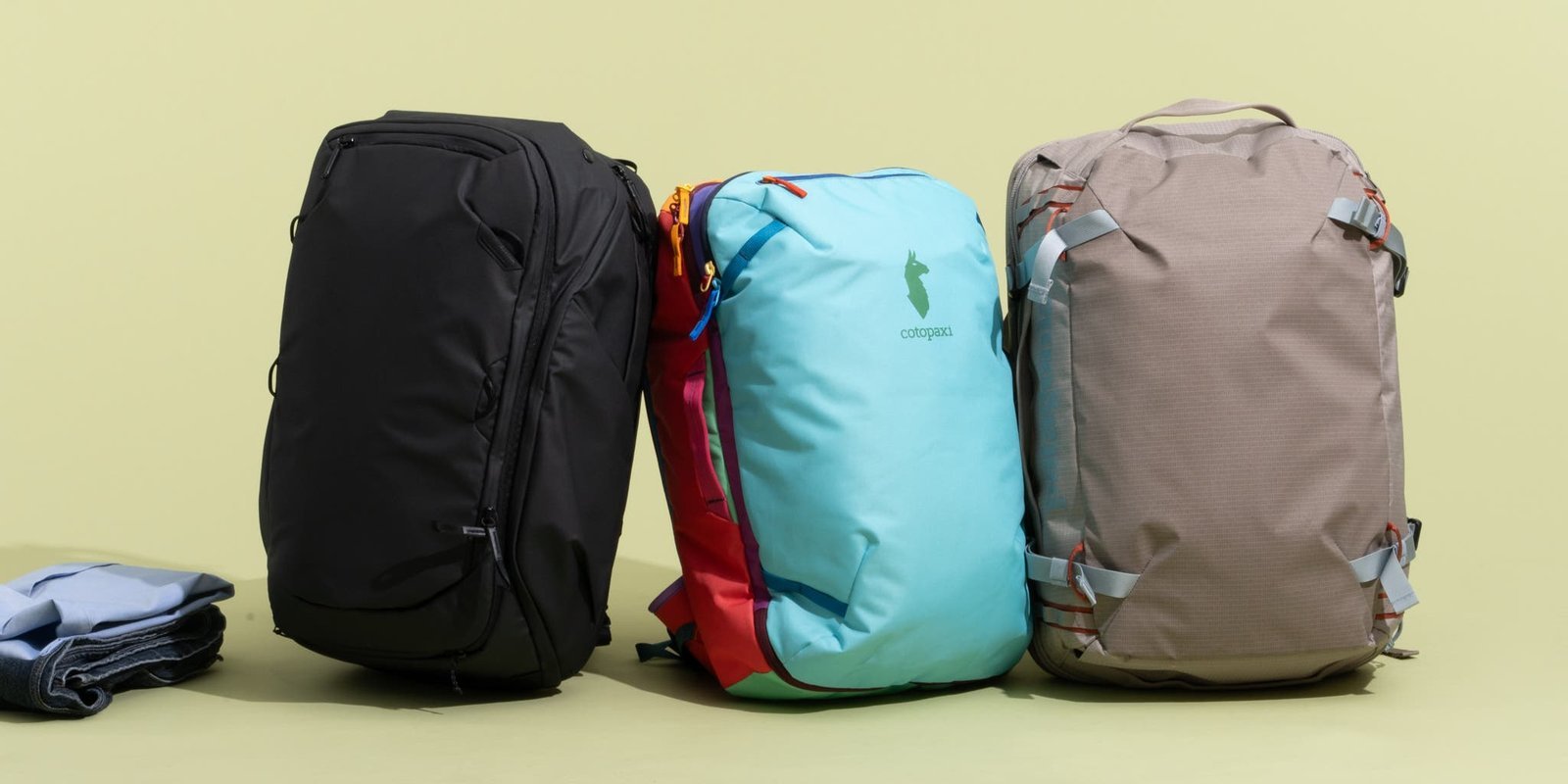
The key to a successful trip is weight distribution. A pack with a supportive hip belt transfers the load from your shoulders to your legs, which prevents fatigue during long walks between transit hubs. If you’re under 5’4”, look for packs with shorter torso lengths to avoid back strain.
The most common mistake is overpacking. People often fill every available inch of space, which makes the bag too heavy to carry comfortably. Always weigh your loaded bag before you leave; the Transportation Security Administration provides guidance on items that affect how you pack and what must be removed for screening.
Selecting the right travel bag
- Choose a bag that opens like a suitcase rather than a top-loading hiking pack. This allows you to reach items at the bottom without dumping out your clothes.
- Measure your torso length from your C7 vertebra to your iliac crest. If your measurement is below 17 inches, select a size small or extra-small frame; if it’s above 19 inches, choose a large frame.
- Tighten the shoulder straps so the pack sits high on your back. If the pack pulls backward, the load is too far from your spine, which increases the risk of muscle strain.
- Secure the sternum strap across your chest to keep the shoulder straps from sliding outward. This is essential for preventing nerve compression in your shoulders.
- Use packing cubes to compress your clothing. This keeps items in place and makes it easier to inspect your bag during security checks. Tip: Avoid backpacks with excessive dangling straps. These can snag on conveyor belts or bus doors, potentially damaging your gear or causing a fall.
- Verify your airline’s specific size limits. While 45 liters is a common maximum, some budget carriers limit carry-ons to 30 liters or less. Tip: If your bag exceeds the weight limit, move your heaviest items, like shoes or electronics, into a separate personal item or wear them during boarding to reduce the weight of your main pack.
How long it takes
Photo: expertvagabond.com on Google
The time it takes to pack your backpack depends on your experience and how much you bring.
| Situation | How long | What changes it | What to watch for |
|---|---|---|---|
| Minimalist packing | 15 minutes | Number of items | Weight balance |
| Full capacity packing | 45 minutes | Organization method | Zipper tension |
| Repacking during trip | 20 minutes | Use of cubes | Dirty laundry |
If it takes longer than one hour to pack, you’re likely bringing too many items or lack a system to organize them.
How to tell when it’s done
You know the bag is ready when the zippers close without force and the load feels balanced against your spine. The pack shouldn’t bulge in the center, as this puts unnecessary stress on the stitching and zippers. Check that the weight is centered; if the bag leans to one side, rearrange your items to prevent uneven pressure on your back. The final test is a “walk-around” in your home. If you feel pulling on your neck or numbness in your hands, adjust the hip belt or remove one heavy item to improve the weight distribution.
Mistakes that ruin it
- Ignoring the frame size: Wearing a pack that’s too long for your torso prevents the hip belt from resting on your pelvic bones. This forces your shoulders to carry the entire weight, which leads to immediate pain.
- Overloading the outer pockets: Placing heavy items in the front or side pockets shifts the center of gravity away from your body. This makes the bag feel significantly heavier than it’s and increases the risk of losing your balance.
- Neglecting compression straps: Failing to tighten the side straps allows your gear to shift while you walk. This movement creates an unstable load that can cause you to stumble on stairs or uneven pavement.
- Packing liquids at the bottom: Placing toiletries at the bottom of the bag makes you unpack everything at security checkpoints. Move these items to a top pocket for quick access.
Frequently asked questions
Photo: www.paco-casal.com on Google
Can I use a hiking backpack for travel?
Yes, you can use a hiking backpack, but it’s often less convenient than a travel-specific model. Hiking packs usually open only from the top, which makes finding clothes difficult. If you use one, prioritize models with a side-access zipper to improve your ability to reach gear.
Is it safe to lock my backpack?
Yes, it’s safe to lock your backpack, but use only TSA-approved locks if you plan to check your bag. These locks allow security agents to open your bag without destroying the hardware. If you carry the bag on the plane, any sturdy travel lock works well.
How long should a travel backpack last?
A high-quality travel backpack should last for many years with regular use. The lifespan depends on the quality of the zippers and the denier of the fabric. Check the seams every few trips; if you see loose threads or fraying, repair them before the fabric starts to tear.
What happens if my bag is too heavy?
If your bag is too heavy, the airline may force you to check it at the gate for a fee. This risks damage to your pack and delays your departure at your destination. Always check your airline’s weight limit, which is often seven to ten kilograms for international flights.
Is a waterproof backpack necessary?
No, a waterproof pack isn’t necessary for most travelers, as most standard nylon bags handle light rain well. If you travel in tropical climates, use a separate rain cover or a dry bag inside your backpack. This protects your electronics better than a water-resistant fabric alone.
Final Thoughts
Choosing the right bag makes your journey feel lighter and more spontaneous. Once you’ve picked a style that feels comfortable on your shoulders, take it for a short walk around your neighborhood packed with your gear. You’ll quickly see how it handles, and you’ll be ready for your next big adventure.