
Most airlines allow a personal item that fits under the seat, but you can bring a backpack if it meets the specific carry-on dimensions, which are typically 22 x 14 x 9 inches for major carriers.
Backpack size rules for flights
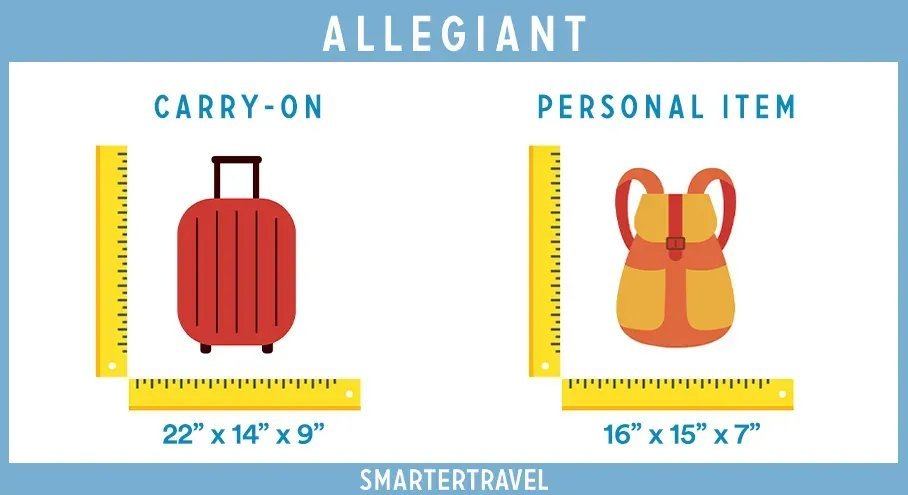
- Personal items must fit under the seat in front of you, usually measuring 18 x 14 x 8 inches or smaller.
- Standard carry-on backpacks must fit in the overhead bin, with a maximum size of 22 x 14 x 9 inches for most major US airlines.
- While some international airlines have strict weight limits for carry-ons, most major US domestic airlines don’t impose a weight limit, provided you can lift the bag into the overhead bin yourself.
- Measure your backpack when it’s fully packed, as bulging pockets often cause bags to exceed the allowed dimensions.
- Soft-sided backpacks are easier to squeeze into overhead bins or under-seat spaces compared to rigid or framed packs.
- International airlines often have stricter weight limits, sometimes as low as 15 pounds, compared to domestic US carriers.
Why size limits exist on aircraft
Airlines enforce strict size limits to ensure safety and to maintain efficient boarding processes for all passengers. When every traveler brings a bag that fits the designated dimensions, it ensures that the overhead bins close securely and that emergency exits remain clear of obstructions. The Federal Aviation Administration mandates that all carry-on items must be stowed in a way that doesn’t impede access to emergency equipment or evacuation routes, which you can verify through FAA carry-on baggage guidance.
These size constraints also prevent flight delays caused by the need to gate-check oversized bags at the last minute. If a bag is too large for the bin, the crew must move it to the cargo hold, which slows down the entire boarding procedure. By adhering to the official size limits provided by your airline, you help the flight stay on schedule and ensure your personal belongings remain with you in the cabin throughout the trip.
When the size rules change
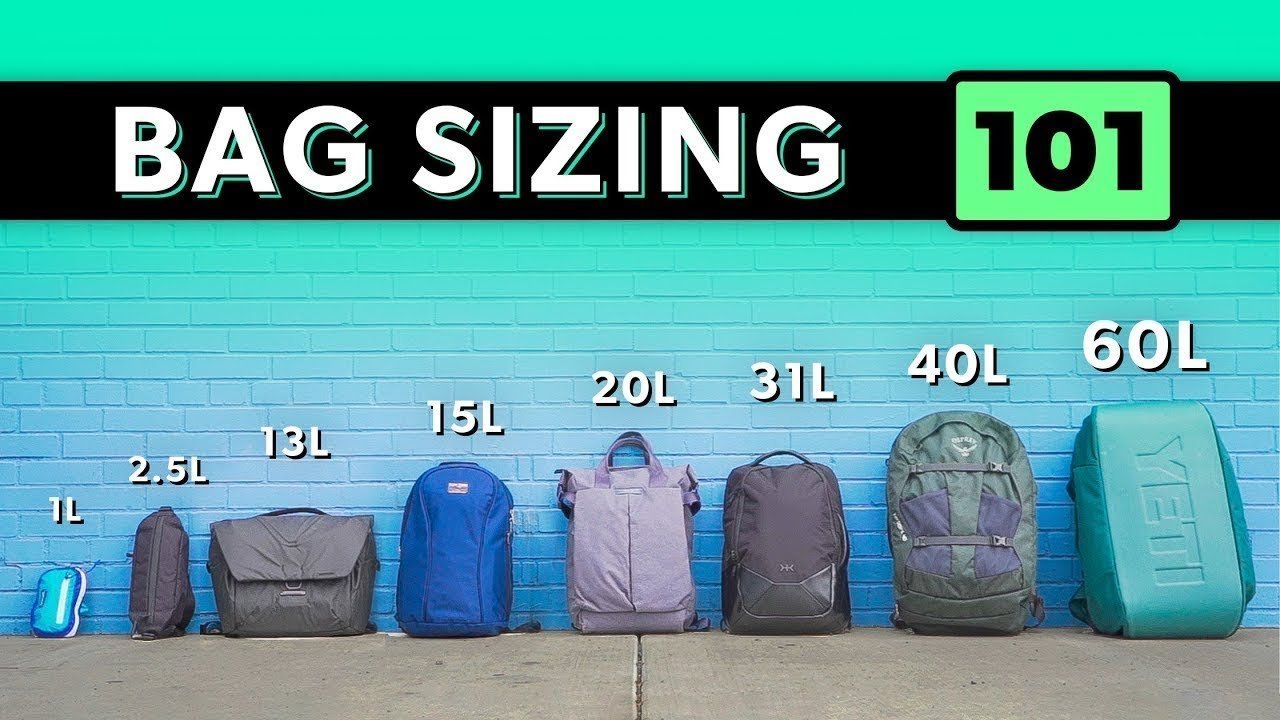
The permitted dimensions for your bag depend entirely on your airline, the type of ticket you purchased, and the specific aircraft being used for your flight.
| Situation | What changes | What to do instead |
|---|---|---|
| Basic Economy | Smaller bag limit | Check airline baggage policy |
| Regional Jets | Smaller overhead bins | Use smaller soft-sided bag |
| International Travel | Stricter weight limits | Weigh bag before airport |
| Budget Carriers | Paid carry-on fees | Pre-pay for carry-on |
| Full Flight | Bin space shortage | Prepare to gate-check |
How to pack your bag properly
- Empty your backpack completely to ensure no heavy or prohibited items are hiding in the bottom or hidden compartments.
- Place your heaviest items, like laptops or tablets, in the sleeve closest to your back to keep the weight balanced.
- Use compression packing cubes to reduce the volume of your clothing, which helps the bag maintain its slim, rectangular shape.
- Measure the height, width, and depth of your bag while it’s full using a standard tape measure to ensure accuracy.
- Check the bag against your airline’s sizer box at the gate if you’re worried about the fit before boarding.
- Remove any external gear, like water bottles or sleeping pads, and pack them inside the main bag to save space.
The mistakes that ruin it
- Overstuffing the front pockets makes your bag bulge, which prevents it from fitting into the airline’s metal sizer box at the gate.
- Failing to check the specific weight limit for your airline can lead to unexpected baggage fees at the boarding gate.
- Bringing a backpack with a rigid external frame usually makes it impossible to stow under the seat, forcing a gate check.
- Ignoring the “personal item” vs. “carry-on” distinction often results in paying extra fees if your bag is too large.
Frequently asked questions
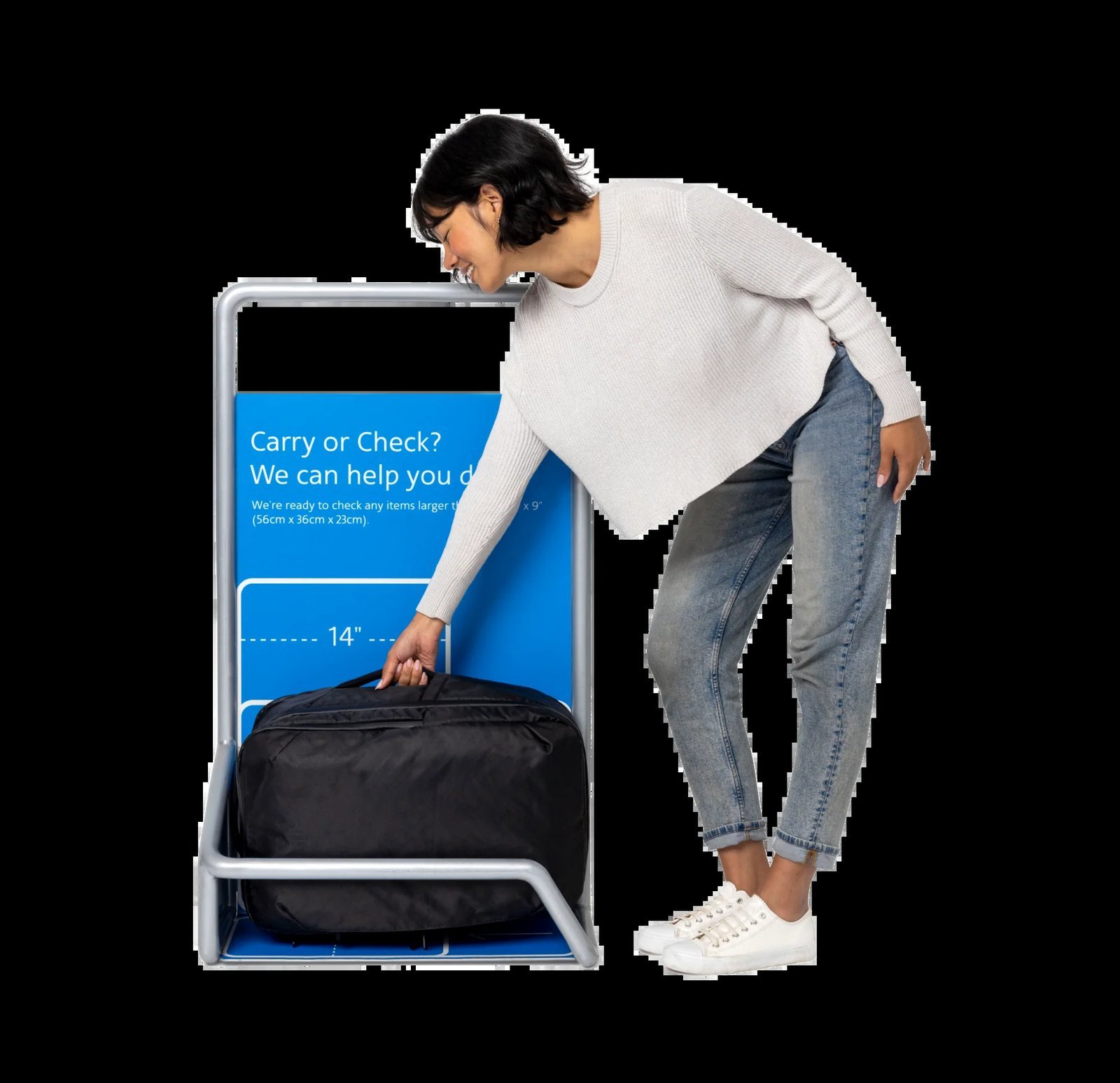
Can I bring a 40L backpack as a carry-on?
Yes, you can usually bring a 40L backpack if its dimensions don’t exceed 22 x 14 x 9 inches. Most 40L bags are designed for travel, but you must avoid overpacking them to ensure they fit within the airline’s standard carry-on frame.
Is it safe to carry a laptop in my backpack?
Yes, it’s safe to carry a laptop in your backpack, provided you keep it in a padded sleeve. Always keep your laptop with you in the cabin rather than checking it, as this protects the device from damage and follows standard battery safety rules.
How do I know if my bag fits under the seat?
You can verify if your bag fits by checking the dimensions against your airline’s under-seat space limit, which is typically 18 x 14 x 8 inches. If your bag is soft-sided and not full, it will usually compress enough to fit under most standard airline seats.
What happens if my backpack is too big?
If your backpack is too big, the airline will require you to gate-check it, which often incurs a fee. The gate agent will measure the bag against a sizer, and if it fails to fit, you must surrender it for stowage in the cargo hold.
Does the weight of my backpack matter?
Yes, the weight matters significantly for international flights and some budget carriers. While US domestic airlines rarely weigh carry-ons, other airlines may enforce a limit as low as 15 pounds, so check the airline’s website for your specific flight requirements.
How many backpacks can I bring on a plane?
You can bring two bags, which are typically one carry-on and one personal item. The carry-on goes in the overhead bin, while the smaller personal item must fit entirely underneath the seat in front of you.
Size backpack, in short
Your comfort and the speed of boarding depend on choosing a backpack that fits the bin or the under-seat space. Always check the official website of the airline you’re flying with before you arrive at the airport, as rules change based on the specific route and aircraft.