
REI, Osprey, and Gregory are reliable options for finding a backpack that suits your intended use, with outdoor retailers offering the best support for fit and durability. Choosing a pack from these specialized brands ensures you have features designed for comfort during long-term load-bearing activities.
Why it works / what to know first
The most important factor is torso length, not your total body height. Many people make the mistake of buying a pack based solely on volume or brand name without measuring their spine. This leads to poor weight distribution, which causes shoulder pain or lower back strain after just a few miles of walking.
Always check the internal frame and strap adjustments before finalizing a purchase. If the pack doesn’t sit correctly on your hips, your shoulders will carry the entire weight.
Selecting the Right Pack
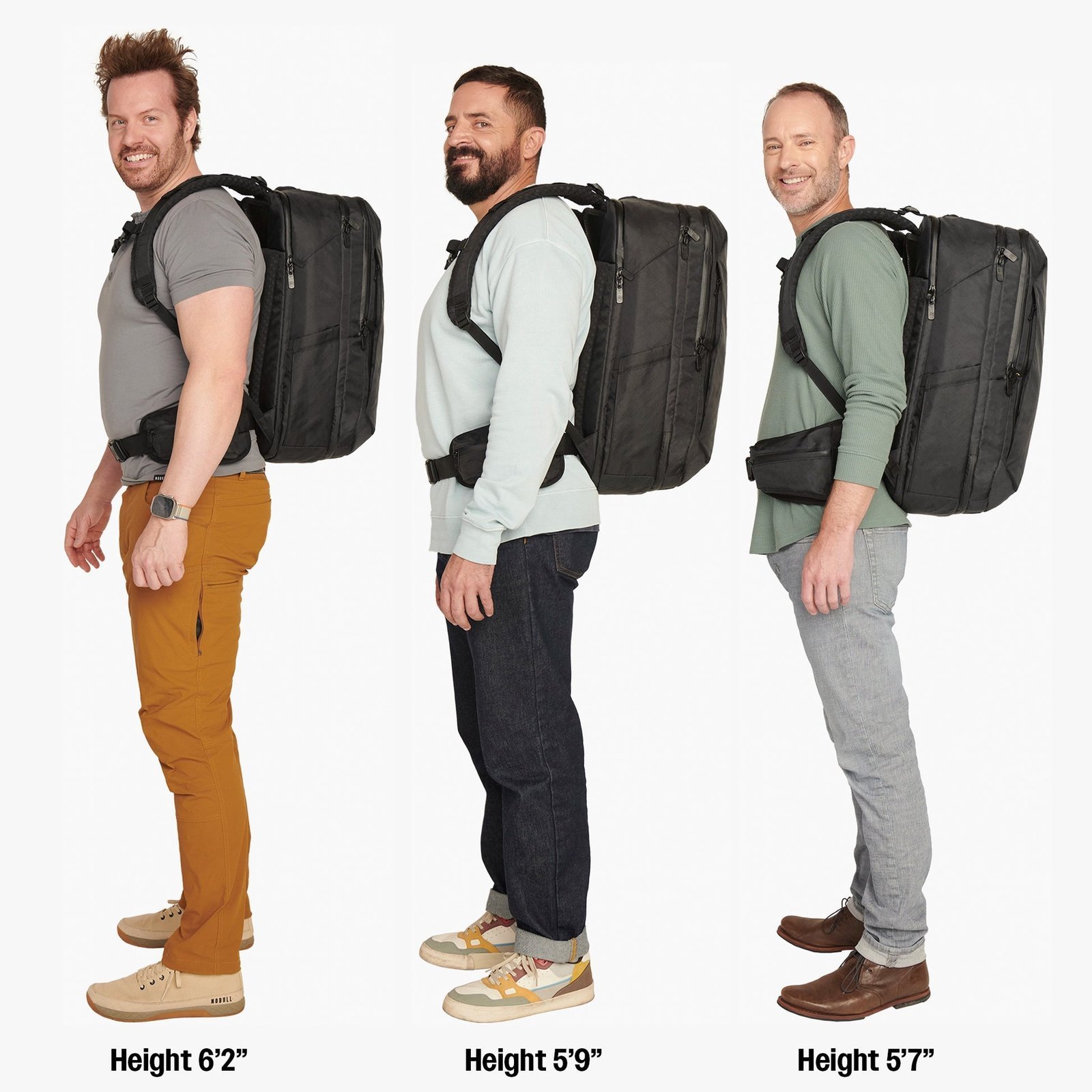
- Measure your torso length from the C7 vertebra at the base of your neck to the iliac crest at the top of your hip bone.
- Select a backpack size that matches this measurement, as most manufacturers offer “small,” “medium,” and “large” suspension systems.
- Load the pack with at least 15 pounds of weight to simulate trail conditions before committing to the purchase.
- Adjust the hip belt first, ensuring it sits securely on your iliac crest to transfer weight off your shoulders.
- Tighten the shoulder straps so they follow the contour of your body without creating gaps near your collarbone.
- Use the load lifter straps on the top of the shoulder harness to pull the pack closer to your center of gravity.
Tip: If the shoulder straps dig into your neck, the torso length is too short for you.
Tip: Avoid carrying more than 20% of your body weight to prevent potential injury to your joints, as noted by the American Council on Exercise.
Timeframe for Selecting and Fitting
The time required to find a suitable pack varies based on your specific body shape and the complexity of the adjustment systems.
| Situation | How long | What changes it | What to watch for |
|---|---|---|---|
| Simple day pack | 15–20 minutes | Number of straps | Pressure points on shoulders |
| Multi-day hiking pack | 45–60 minutes | Suspension complexity | Hip belt slippage |
| Custom-molded frame | 60+ minutes | Professional fitting | Uneven weight distribution |
If the pack still feels uncomfortable after 30 minutes of adjustment, don’t force it; the suspension design simply doesn’t match your anatomy.
Signs of a Perfect Fit

You can tell a pack fits when the weight is almost entirely on your hips, leaving your shoulders free to move without restriction. The hip belt should be firm against your pelvis, and the sternum strap should sit across your chest to keep the shoulder straps from sliding outward. If you hear the fabric creaking under weight, it may indicate that the frame is overloaded or improperly tensioned. The definitive test is walking on a slight incline; if the pack stays stable and doesn’t shift side-to-side, you have achieved a proper fit.
Common Buying Mistakes
- Ignoring the torso measurement: People often guess their size based on height, which leads to a pack that sits too high or too low on the spine. Always use a soft tape measure to get an accurate reading of your back length.
- Buying for the wrong activity: Choosing a technical climbing pack for simple commuting results in excess weight and unnecessary, dangling straps. Pick a model specifically designed for your primary use case to avoid carrying extra, useless gear.
- Overloading the capacity: Adding too much gear because the bag has extra space causes structural stress on zippers and seams. Only buy the capacity you need for your typical trip length to keep your load manageable and safe.
Frequently asked questions
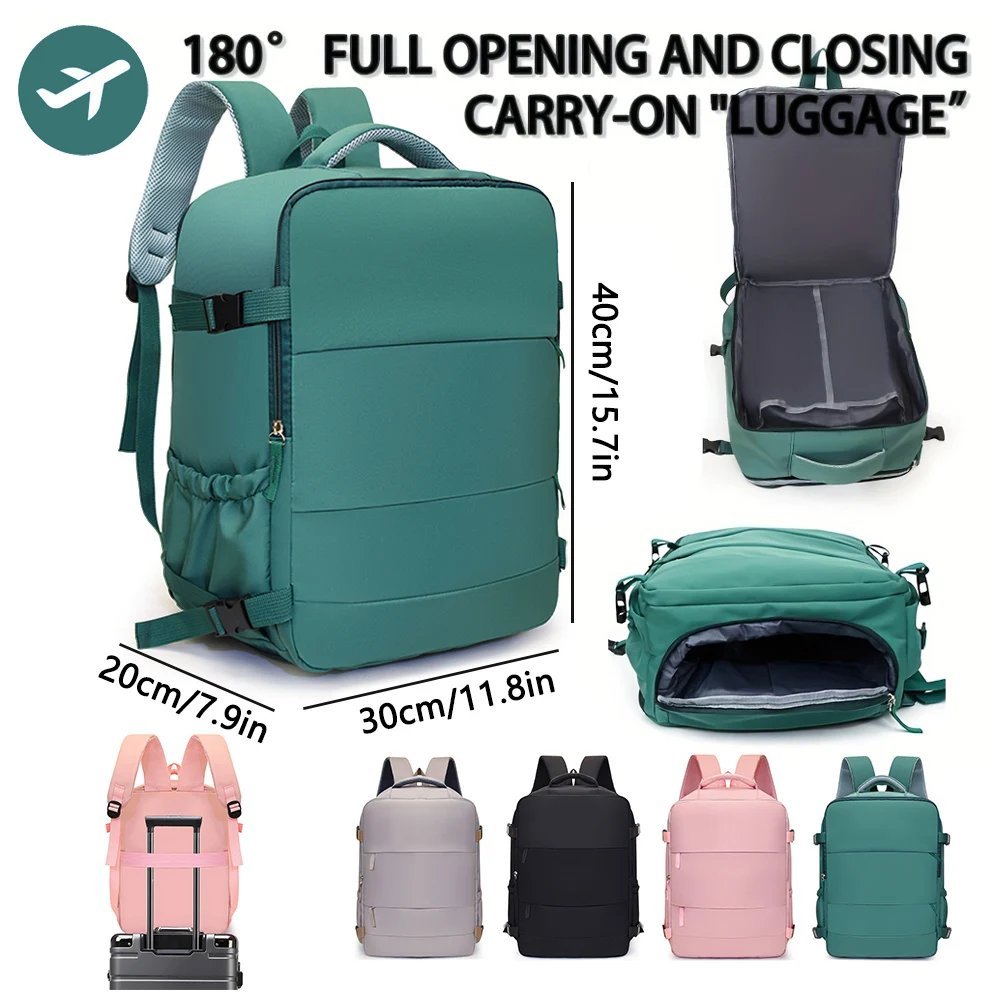
Can I use a hiking backpack for school?
Yes, you can use a hiking backpack for school, but they often lack padded laptop sleeves and internal organizational pockets. If you choose this route, ensure the pack has a separate compartment to keep your electronics protected from the curved frame of a technical hiking bag.
How long should a quality backpack last?
A high-quality backpack should last for many years with regular, careful use. This lifespan depends on how often you clean the fabric and whether you avoid overstuffing the main compartment, which causes excessive tension on the stitching and zippers over time.
Is it safe to buy a used backpack?
Yes, it’s safe to buy a used backpack if you inspect the integrity of the zippers, the condition of the shoulder strap foam, and the state of the hip belt buckles. Always check for signs of mold or frayed seams, as these issues can’t be easily repaired.
What happens if the backpack is too big for me?
If the backpack is too big, the weight will sit too low on your lumbar or too high on your shoulders, causing significant instability. This lack of balance makes it difficult to walk on uneven ground and significantly increases your risk of falling or developing chronic muscle soreness.
How much should a good backpack cost?
A good backpack for general use typically costs a moderate amount depending on the materials and frame technology. You pay more for lightweight, waterproof fabrics and sophisticated suspension systems that allow for better ventilation and weight distribution during heavy-load activities.
How often should I wash my backpack?
You should wash your backpack whenever it gets heavily soiled with mud or salt from sweat. Use mild soap and a soft brush to clean the surface, then air dry it completely in the shade to prevent the fabric coating from degrading.
Good place, in short
Choosing the right pack is a balance of volume, torso fit, and intended use. By focusing on how the weight transfers to your hips rather than how the bag looks, you ensure years of comfort and utility regardless of where your travels take you.