
What is a sling purse? It’s a compact, teardrop or rectangular bag designed with a single strap that rests across your chest or back. It carries essentials hands-free, holding anywhere from 1 to 8 liters of gear depending on the model.
What is a sling purse: Essential details
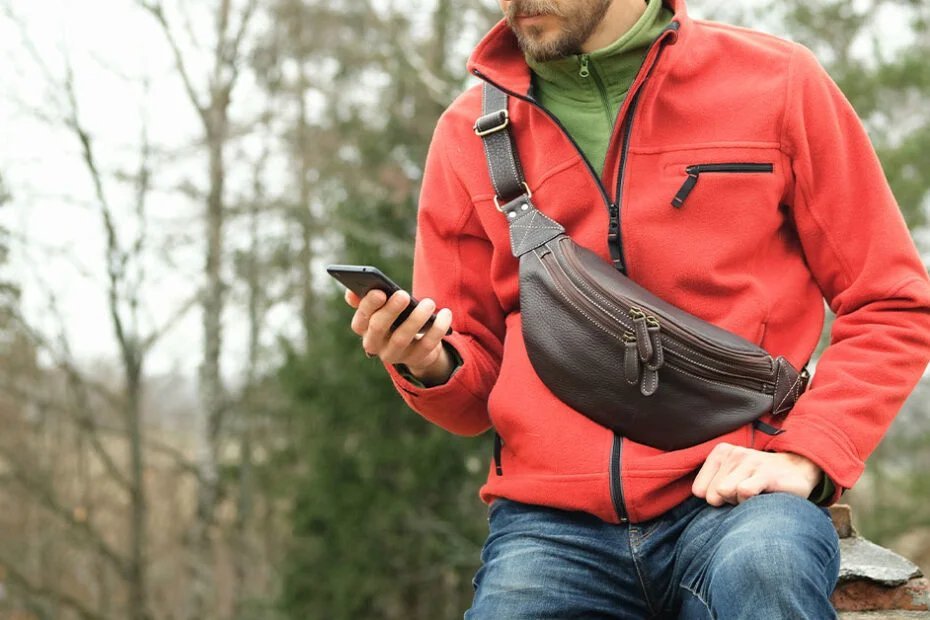
Sling designs blend the structure of a small backpack with the quick access of a shoulder pouch. They keep your daily carry close to your torso so it doesn’t bounce around while you walk.
- The single strap sits across your body, letting you spin the pouch to your stomach without taking it off.
- Most standard designs hold between 1.5 and 5 liters of gear, which equals a phone, wallet, keys, and a compact water bottle.
- Weather-resistant nylon or polyester fabrics protect electronics, while leather options suit formal settings.
- Internal dividers keep sharp keys from scratching phone screens and glasses inside the main pouch.
- Quick-release buckles let you unclip the strap instantly instead of lifting it over your head.
Why the crossbody sling works
A sling purse works because it changes how weight pulls on your neck and shoulders. Traditional shoulder bags rest all their weight on one side, forcing your spine to tilt sideways as you walk. A single-strap crossbody setup cuts this strain by directing the load diagonally across your upper back and chest. The bag stays tight against your center of gravity instead of swinging freely at your hip.
You also get better security in crowded transit areas. Because the strap anchors the pouch directly against your ribs, pickpockets can’t easily reach the zippers without you feeling it. For travelers packing everyday items, security guidelines from the TSA passenger security rules allow small personal items like these to stay on your person through airport lines until you reach the bin screening area. Pulling the pack around to your chest lets you grab boarding passes or payment cards in seconds.
Choosing the right carry style
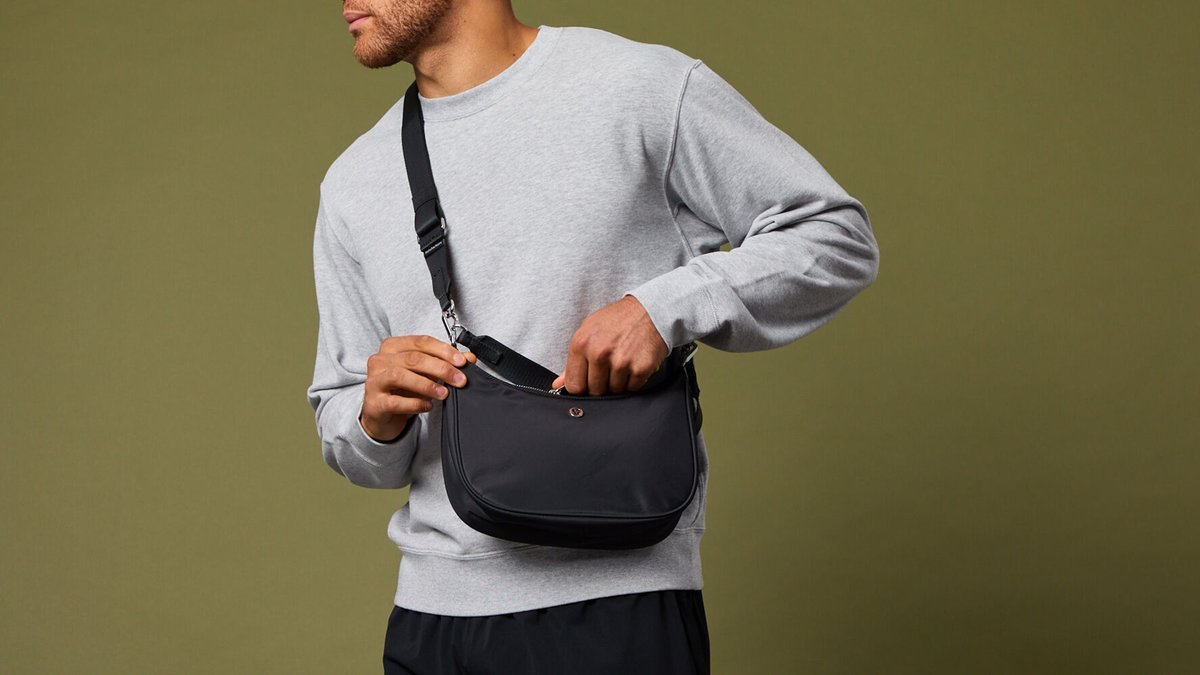
A standard compact sling doesn’t work for every daily routine. If you carry a full-size laptop or bulky winter gear, a single-strap pouch runs out of room quickly. This trade-off between compact mobility and total storage volume means you must match the bag to your exact cargo.
| Situation | What changes | What to do instead |
|---|---|---|
| Hauling a 15-inch work computer | The pouch is too small and narrow | Use a two-strap laptop backpack |
| Attending a formal wedding | Sport nylon looks out of place | Pick a small leather clutch |
| Carrying heavy camera gear over 8 lbs | A single strap digs into your trapezius muscle | Switch to a padded dual-strap daypack |
| Running long outdoor trails | The pouch shifts side to side while sprinting | Wear a dedicated running hydration vest |
| Going to an NFL stadium | Opaque bags over 4.5 by 6.5 inches get rejected | Take a clear stadium-approved vinyl bag |
How to wear and adjust your pack
A loose sling sags against your lower back and bangs against your hips with every step. Setting the strap length correctly keeps the pack balanced, stops shoulder fatigue, and gives you fast access to your valuables.
- Empty the bag completely and slide your dominant arm and head through the single strap loop.
- Position the main pouch flat against the center of your back, between your shoulder blades.
- Pull the strap webbing through the adjustment slider until the pouch sits snug against your ribcage.
- Jump gently in place to verify the pack doesn’t bounce or swing from side to side.
- Reach behind your shoulder, grip the bottom handle, and pull the pouch around to your chest.
- Open the main zipper across your front to confirm your hands can reach inside without straining your wrist.
- Fasten the sternum stabilizer strap, if your model includes one, to lock the bag in place.
Common sling bag errors
Buying the wrong size or loading too much weight ruins the ergonomics of a single-strap setup. If you pack heavy, don’t rely on a single strap; if you pack light, a compact sling shines.
- Overpacking the main pocket stretches the nylon seams and makes the strap dig painfully into your neck tissue.
- Leaving the strap too loose allows the pack to bump your hip, bruising your skin during long walks.
- Storing unshielded keys right next to a bare phone screen causes permanent scratches on the glass display.
- Forgetting to zip pockets before swinging the pouch to your front dumps loose cash and earbuds onto the ground.
Frequently asked questions
Can a sling purse fit a normal tablet?
Yes, if the pouch measures at least 8 liters in capacity. Compact 2-liter packs only fit a standard phone, so check your device dimensions against the manufacturer’s pocket measurements before buying.
Is a sling bag safe for crowded subways?
Yes, because you can rotate the pouch directly onto your chest. Keeping your zippers visible beneath your chin prevents thieves from opening pockets behind your back while you ride transit.
How do I clean a nylon sling purse?
Spot-clean the fabric using a damp cloth and mild dish soap. Never submerge packs with water-resistant interior coatings in a washing machine, as the spin cycle strips away the protective seal.
Who is this bag style not for?
This style isn’t for people who carry heavy textbooks, large binders, or heavy tools. The single strap concentrates all weight on one shoulder, which quickly causes fatigue under loads heavier than five pounds.
What is the difference between a sling and a fanny pack?
A sling features an elongated diagonal shape cut to lie flat along the torso, whereas a fanny pack uses a horizontal belt built to sit around the hips or waistline.
Does it matter which shoulder I wear it on?
Yes, because some straps curve specifically for the right or left shoulder. Many bags allow you to switch the lower clip from left to right, but this varies by model — check the label.
Sling purse, in short
A sling purse bridges the gap between bulky backpacks and overfilled pockets. It gives you quick access to daily gear while keeping your hands entirely free. Selecting the right volume and adjusting the strap firmly against your body prevents neck strain and keeps your personal items secure wherever you travel.
Related guides