
Learning how to choose travel backpack models that fit your body prevents back pain and extra fees. You should select a bag based on your torso length for comfort and the airline’s carry-on dimensions to avoid charges.
Who should choose a travel backpack
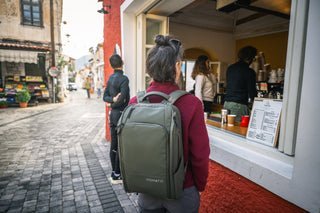
This page helps two types of travelers. The first is the city explorer who needs to move quickly through train stations and wants a bag that fits under a seat. The second is the long-term traveler who needs a larger pack for varied climates and heavy gear. This guide assumes you want a durable bag meeting international carry-on standards. This guide isn’t for specialized hiking or ultralight racing gear. We focus on versatile luggage balancing storage space and ease of movement for travelers.
Factors that shape your choice
Torso length is the most important factor. Measure from the bony bump at the base of your neck to the top of your hip bone. A poorly fitted bag strains your shoulders or spine.
Weight distribution determines comfort. A frame with a sturdy hip belt transfers eighty percent of the load to your legs. If the belt sits on your waist, you’ll suffer shoulder fatigue.
Airline compliance is the final hurdle. Most major carriers limit carry-on bags to 22 by 14 by 9 inches.
Step by step
- Measure your torso length using a soft tape measure and a friend’s help.
- Select a bag capacity between 30 and 45 liters for standard two-week trips.
- Check the internal frame sheet or stay; a flexible plastic sheet is best for light loads.
- Load the bag with five kilograms of weight to test how the straps dig into your shoulders.
- Tighten the hip belt first, then pull the shoulder straps until the load sits against your back.
- Walk for ten minutes to see if the pack shifts or rubs against your lower back.
- Verify that the bag fits into a standard airline sizer box if you plan to carry it on.
- Lock all zippers with travel-approved padlocks to keep your items secure during transit.
If the hip belt lacks padding or misses your hip bones, the bag can’t handle heavy loads.
Capacity and fit breakdown
| Situation | Recommended Size | Typical Weight | What to watch |
|---|---|---|---|
| Weekend trip | 25-30 liters | 5-7 kg | Strap comfort |
| One-week city | 35-40 liters | 8-10 kg | Laptop sleeve |
| Long-term travel | 45-50 liters | 10-12 kg | Frame support |
| Business trip | 30-35 liters | 7-9 kg | Organization |
| Budget flight | 30 liters | 7 kg | External size |
Getting the results right
Prioritize the internal frame
Experienced travelers know that the frame is the heart of the bag. A bag without a rigid structure sags and feels heavy. Look for a lightweight alloy stay or a contoured plastic sheet inside the back panel.
Master the strap adjustment
Don’t leave shoulder straps too loose. Always tighten the hip belt before you touch the shoulder straps. This keeps the center of gravity close to your body. Tighten the load-lifter straps if the pack pulls backward. This shifts pressure to your chest and legs for better comfort.
What goes wrong, and what to do
| What you notice | What it usually means | What to do first | How to stop it |
|---|---|---|---|
| Shoulder pain | Poor weight transfer | Tighten hip belt | Use load lifters |
| Bag is too wide | Exceeds airline limit | Check side straps | Compress the pack |
| Zippers sticking | Overpacked bag | Remove one item | Use packing cubes |
| Back sweating | No air channel | Loosen straps slightly | Use mesh back |
| Bag feels heavy | Bad weight balance | Repack heavy items | Put weight low |
Standards for travel gear
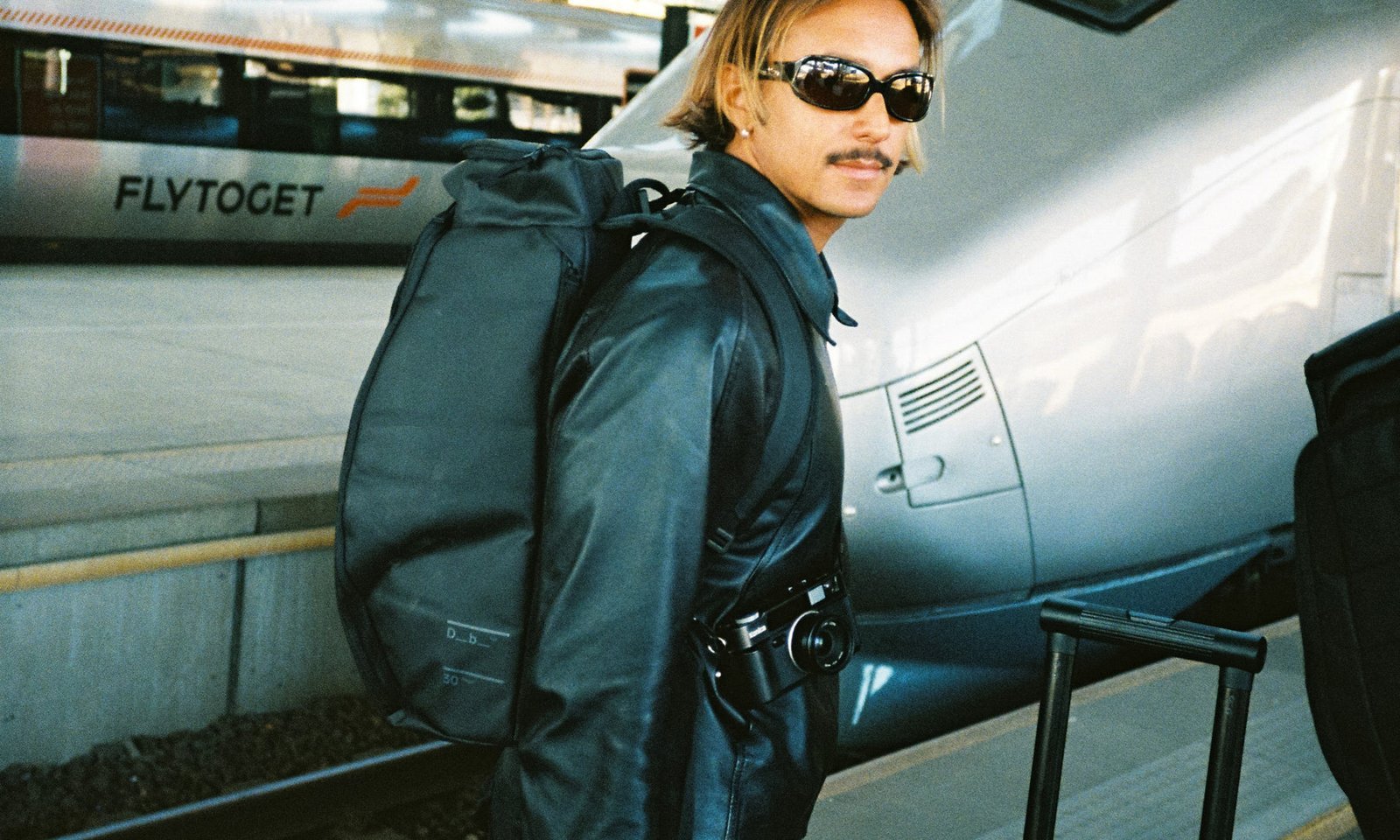
Choose a brand with a warranty covering structural failures. If you’re buying a bag for international use, verify that it meets the specific carry-on dimensions of the airlines you intend to fly. Don’t modify the frame, as this voids the warranty and compromises the straps.
Managing your investment
A quality backpack is an investment in comfort. Cost varies based on materials and features like laptop sleeves. Expect to pay more for waterproof fabrics or advanced suspension. A bag with a lifetime guarantee is cheaper than a budget bag replaced every season.
Keeping it right afterwards
Clean your bag after every trip by wiping the fabric with a damp cloth and mild soap. Never submerge the bag in a washing machine, as the internal frame can warp or break. Store the bag in a cool, dry place away from direct sunlight to prevent the material from becoming brittle. If a buckle fails or a seam frays, contact the manufacturer for a repair.
When this is the wrong approach
If carrying over fifteen kilograms, a backpack is the wrong choice. Use a rolling suitcase instead to save your back from excessive strain. For professional photography equipment that requires rigid protection, choose a dedicated hardshell case with foam inserts. If you have existing back injuries, consult with a physical therapist before choosing a heavy pack. They can tell you if a specific harness system is safe for your condition.
Frequently asked questions
Can I use a hiking pack for travel?
Yes, but they often lack the easy-access zippers and laptop sleeves found on travel-specific bags. They’re usually taller, which can make them difficult to fit into overhead bins on smaller airplanes.
How long should a travel backpack last?
About five to ten years of regular use is standard for a high-quality bag. Check the stitching on the shoulder straps annually, as this is the first area to show signs of wear.
Is it safe to check a backpack?
Yes, but you must buckle all straps and use a cover to prevent them from catching on airport machinery. Use a luggage tag and a lock to ensure your gear remains secure.
What happens if the bag is too big?
You’ll likely be forced to pay a fee to check the bag at the gate. Check your airline’s website for their specific size limits to avoid unexpected charges before you head to the airport.
Does it matter if the bag is waterproof?
Yes, it protects your electronics and clothes during rain. If your bag isn’t waterproof, keep a separate rain cover in an outside pocket to deploy during sudden downpours.
How do I pack to save space?
Use packing cubes to compress your clothes and organize your items. Place the heaviest items, like shoes or toiletries, close to the back panel to keep the weight centered against your body.
What to do next
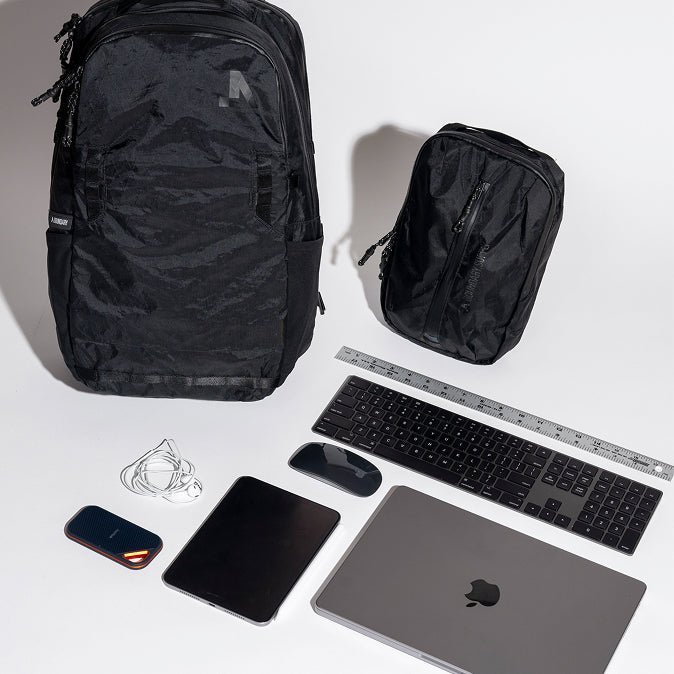
Start by measuring your torso to find your correct frame size. Once you have your size, visit a store to try on a few models with weight inside to see how they feel. Stop your search and seek help if you feel sharp pain or numbness while testing the bag.
Final Thoughts
Once you’ve narrowed down your favorites, head to a local shop to try them on with some weight inside. Don’t rush the process; walking around the store for a few minutes will reveal how the straps truly feel. You’ll be much happier when your gear finally fits just right.