
If you are wondering what backpack is best for travelling, a 40-liter carry-on with a clamshell opening is the top choice. This size fits airline cabin limits, and the front-loading design lets you access gear easily.
The best backpack for travelling
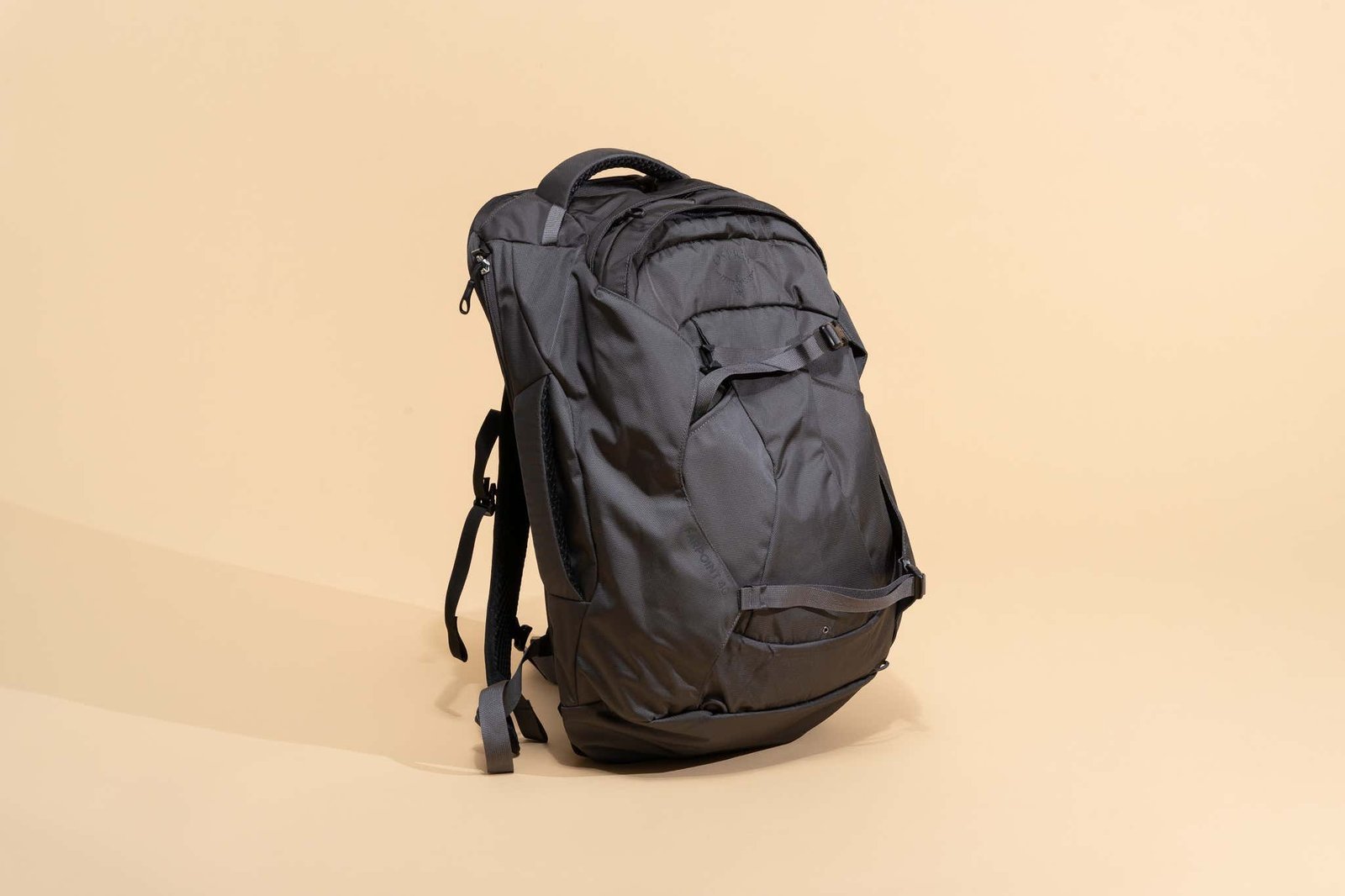
- Choose a 35-45 liter capacity to avoid checked baggage fees on most global airlines.
- Opt for a clamshell opening to access your clothes like a suitcase.
- Look for an adjustable suspension system to distribute weight across your hips.
- Ensure the bag has a dedicated, padded laptop sleeve against the back panel.
- Pick durable materials like 500D Cordura nylon to resist tears and light rain.
- Test the empty weight; it should be under 3 pounds for maximum comfort.
Why capacity impacts your journey
Choosing the right size is the most important decision for a traveler because it limits how much weight you carry. A backpack larger than 45 liters often exceeds the carry-on dimensions for major airlines, which can be found in the TSA carry-on luggage guidelines. If you choose a bag that’s too big, you’ll be forced to check it at the gate, costing you extra money and time. Smaller bags under 30 liters are great for day trips, but they lack the space for a week of clothing. The sweet spot is 40 liters, as it balances storage capacity with the ability to fit into overhead bins. Always check the specific size limits for your airline before you fly, as low-cost carriers often have stricter constraints than international flag carriers. This varies by model — check the label on the bag to confirm its exact dimensions.
When the answer is different

| Situation | What changes | What to do instead |
|---|---|---|
| Long-term trekking | Needs more volume | Use a 60L internal frame |
| Business trips | Needs formal look | Choose a leather hybrid pack |
| Weekend getaways | Needs less volume | Use a 25L daypack |
| Winter travel | Bulky clothing | Use compression packing cubes |
| Photography focus | Gear protection | Choose a camera-specific insert |
How to do it properly
- Pack your heaviest items, like shoes or electronics, closest to your back and centered between your shoulder blades for better balance.
- Use compression cubes to squeeze air out of your clothes, which can reduce the volume of your gear by about 30 percent.
- Tighten the hip belt first, pulling it until the weight rests on your pelvic bones rather than your shoulders for better relief.
- Adjust the load-lifter straps at the top of your shoulders to pull the pack closer to your body and improve your posture.
- Secure all loose webbing straps with elastic keepers to prevent them from catching on airport conveyor belts or public transit doors.
- Check your final weight on a bathroom scale; aim for under 20 pounds to remain comfortable during long walks between transit hubs.
The mistakes that ruin it
Overpacking the front pockets shifts your center of gravity, forcing you to lean forward to compensate. This posture strain often leads to chronic lower back pain after just two hours of walking.
Leaving zippers unlocked creates an easy target for theft in crowded transit hubs. If you can’t secure your main compartment with a luggage lock, you’re effectively inviting opportunistic pickpockets to inspect your belongings.
Forgetting to tuck in loose straps often leads to them snagging in airport conveyor belts. This simple oversight can result in a shredded bag or a missed flight when the mechanism jams.
Choosing a pack without a hip belt forces your shoulders to bear the entire load. If your gear exceeds 15 pounds, you must use a hip belt to transfer 80 percent of that weight onto your legs.
Frequently asked questions
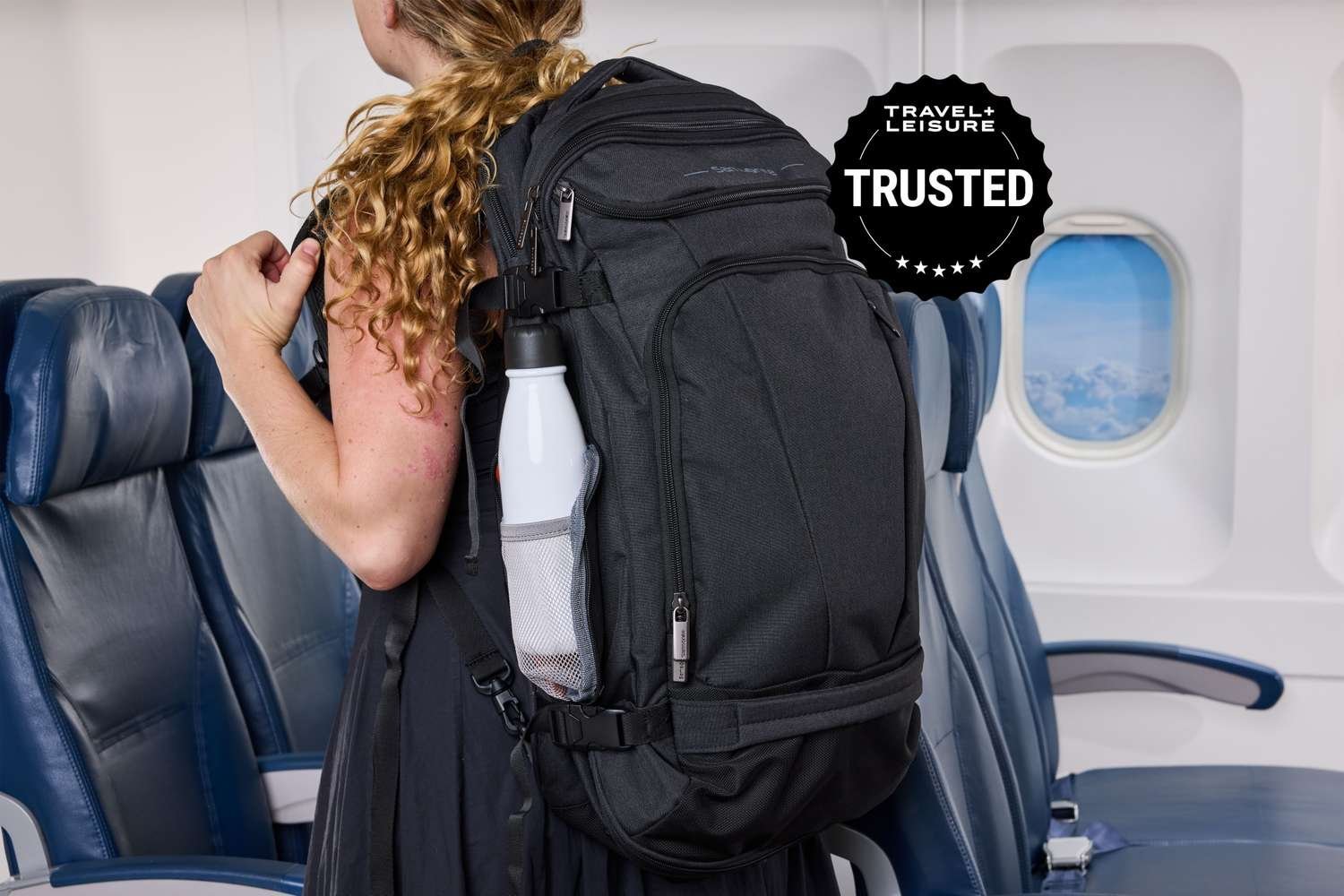
Is it safe to carry a backpack on my front?
Yes, it’s often safer in crowded areas to prevent pickpocketing. Wearing the bag on your front keeps your belongings in your direct line of sight, making it nearly impossible for someone to unzip your compartments without you noticing the movement.
How long should a travel backpack last?
A high-quality bag made with durable synthetic fabrics should last between five and ten years of regular use. This varies by model — check the manufacturer’s warranty information, as some brands offer lifetime guarantees that cover zipper failures and seam tears.
Does it matter if the backpack is waterproof?
No, most backpacks are only water-resistant, which is sufficient for light rain. If you travel in tropical climates, use a separate rain cover or pack your internal items inside dry bags to ensure your electronics remain protected from heavy downpours.
Can I use a hiking backpack for city travel?
Yes, but it’s often inconvenient due to the top-loading design. Hiking packs require you to remove everything to reach the bottom, whereas travel-specific bags feature clamshell openings that function like a suitcase for easier access in hotel rooms.
What happens if my bag exceeds carry-on limits?
You’ll likely be forced to pay a checked baggage fee at the gate. This varies by model and airline, so always measure your pack when fully loaded to ensure it fits within the specific dimensions listed on your airline’s official website.
Is it better to have wheels or straps?
It depends on your terrain. If you’re walking on cobblestone streets or stairs, a backpack is much easier to manage than a wheeled bag. If you have back issues, a hybrid bag with wheels and straps provides the best of both worlds.
Final Thoughts
Choosing the right bag is just the start of your journey. Before you head to the airport, try packing your gear at home to see how it feels on your shoulders. You’ll quickly find what works for your style, and you won’t regret taking the time to get comfortable before your trip.