
How to choose a backpack for travel involves prioritizing comfort, durability, and airline carry-on limits. Most travelers benefit from a 35 to 45-liter bag that fits within standard overhead bin dimensions while keeping the total weight under 20 pounds.
What to look for in a travel backpack

- Measuring tape: To check the height, width, and depth of your bag against airline limits.
- Packing list: A written summary of your clothes and gear to estimate volume needs.
- Weight scale: To ensure your loaded bag stays under airline requirements.
- Notebook: To track dimensions and features of different models.
- Reference guide: Use the TSA carry-on size guidelines to verify that your bag meets security standards.
If you can’t find a bag that fits your exact gear, use compression cubes to save space; don’t rely on overstuffing, as it risks zipper failure.
Step-by-step
- Measure your torso length from the C7 vertebra to the iliac crest to ensure a proper fit.
- Select a capacity between 30 and 50 liters based on your trip length; if you travel for over a week, aim for the higher end of this range.
- Check the shoulder straps for high-density foam padding, which prevents shoulder fatigue during long walks.
- Test the hip belt by loading the bag with 15 pounds of weight; the belt should transfer 80% of the load to your hips, not your shoulders.
- Inspect the zippers for YKK or similar high-durability branding to avoid mid-trip breakage.
- Look for a bag with a dedicated, padded laptop sleeve if you carry electronics, ensuring it sits against the back panel for better balance.
- Verify the exterior fabric is water-resistant nylon or polyester to protect your gear from sudden rain.
Tip: If you’re under 5’4″, look for “short” or “XS” torso versions to avoid the bag hitting your lower back.
Careful: Don’t ignore the suspension system, as a heavy bag without a load-bearing frame will cause back strain within an hour of walking.
Comparing travel bag features
The choice depends on your specific trip needs, as a bag for a weekend differs from a multi-week journey.
| Situation | Capacity (Liters) | Key Difference | Watch For |
|---|---|---|---|
| Weekend Trip | 25–30 | Light, compact | Under-seat fit |
| Week-long Trip | 35–45 | Carry-on standard | Suspension comfort |
| Long-term Travel | 50+ | Heavy-duty frame | Checked bag fees |
Always start with the smallest size that fits your essentials; adding more space encourages overpacking, which makes your bag harder to maneuver through crowded terminals.
How to tell you did it right
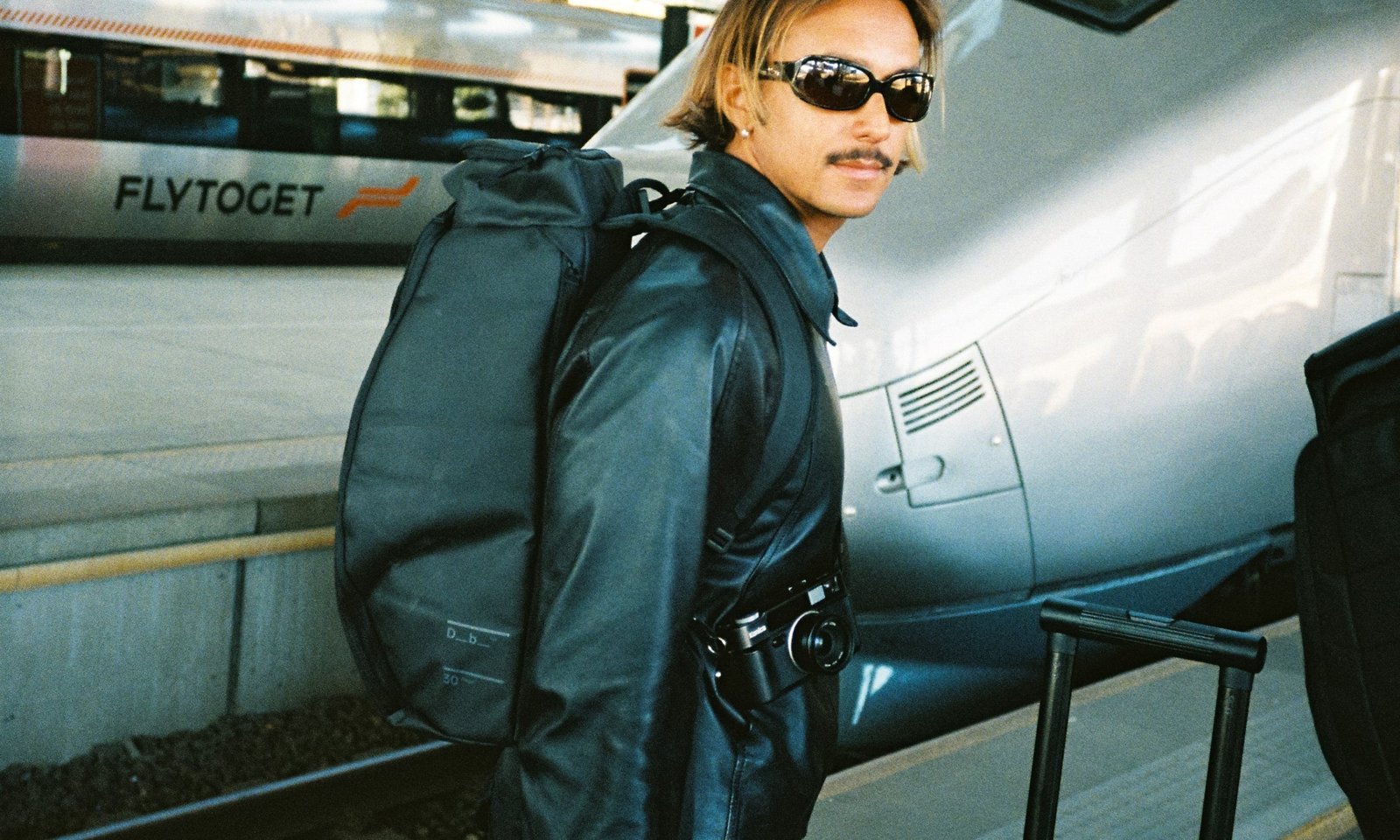
A properly chosen bag feels like an extension of your body, not a burden. When you put it on, the weight should rest primarily on your pelvic bones. If the bag pulls your shoulders backward or slides down your back, it’s either the wrong torso size or improperly adjusted. This usually happens when the sternum strap is too loose or the hip belt is fastened around your waist instead of your hips. Prevent these issues by adjusting the load lifters at the top of the shoulder straps until the bag sits flush against your back.
Fitting and maintenance rules
The International Air Transport Association sets the recommended maximum carry-on dimensions at 22 x 18 x 10 inches, though individual airlines vary. Check your specific carrier’s website before you leave to avoid unexpected gate-check fees. Clean your bag after every trip by wiping it with a damp cloth and mild soap; never submerge a bag with a metal frame in a washing machine. Store your gear in a cool, dry place away from direct sunlight to prevent fabric degradation. Always inspect buckle clips for cracks before your next departure.
Other ways to do it
Use a rolling suitcase
This removes the physical strain of carrying weight on your back. It’s ideal for urban travel on smooth pavement but fails on cobblestones, stairs, or unpaved paths where wheels can’t roll easily.
Choose a duffel bag
Duffels offer maximum internal space without rigid frame limitations. They’re excellent for bulky equipment, but they lack the organized weight distribution and ergonomic support of a structured travel backpack.
Rent specialized gear
If you only travel once a year, renting high-end technical packs saves money. This allows you to test different brands and sizes before you invest in a permanent piece of equipment for your collection.
Frequently asked questions
Can I take a 50-liter backpack on a plane?
No, most airlines consider a 50-liter bag too large for carry-on limits. You’ll likely have to check it at the gate, which may result in extra fees depending on your ticket class and airline policy.
How long should a travel backpack last?
A high-quality travel backpack should last for many years with regular use. The lifespan depends on the fabric denier, the quality of the zippers, and how often you expose the bag to harsh conditions or heavy loads.
Is it safe to store my laptop in a backpack?
Yes, it’s safe if your backpack includes a dedicated, padded sleeve that keeps the device away from the bottom of the bag. Always use a protective case inside the sleeve for extra impact resistance.
What happens if my backpack zipper breaks?
If a zipper breaks, you can’t easily repair it yourself without specialized tools. Seek a professional luggage repair shop or contact the manufacturer to see if the damage is covered under their limited lifetime warranty.
How do I know if the backpack is too heavy?
You shouldn’t carry more than 15% to 20% of your body weight. If you struggle to lift the bag onto your shoulders or feel significant pain in your lower back, remove 5 pounds of non-essential gear.
Final Thoughts
Once you’ve found a bag that feels like a natural extension of your body, take it for a test walk around your neighborhood. It’s worth packing it with your gear to see how the straps sit on your shoulders. You’ll feel much more confident heading to the airport when you’re prepared.