
When considering what is the best size backpack for travelling, 40 liters is ideal for most, as it fits in overhead bins and holds a week’s gear. Larger bags hinder mobility, while smaller ones may feel restrictive on multi-climate trips.
Choosing your capacity
Your trip length and destination determine the right choice. If you stay in hotels with laundry services, you can pack for one week and wash clothes often. If you head to remote areas, you need extra space for specialized gear.
The biggest mistake is overpacking. People often fill every pocket, making the bag too heavy to carry comfortably for long periods. If your bag exceeds 20% of your body weight, you’ll likely face back pain and difficulty navigating transit hubs.
Choosing the best backpack size for travelling
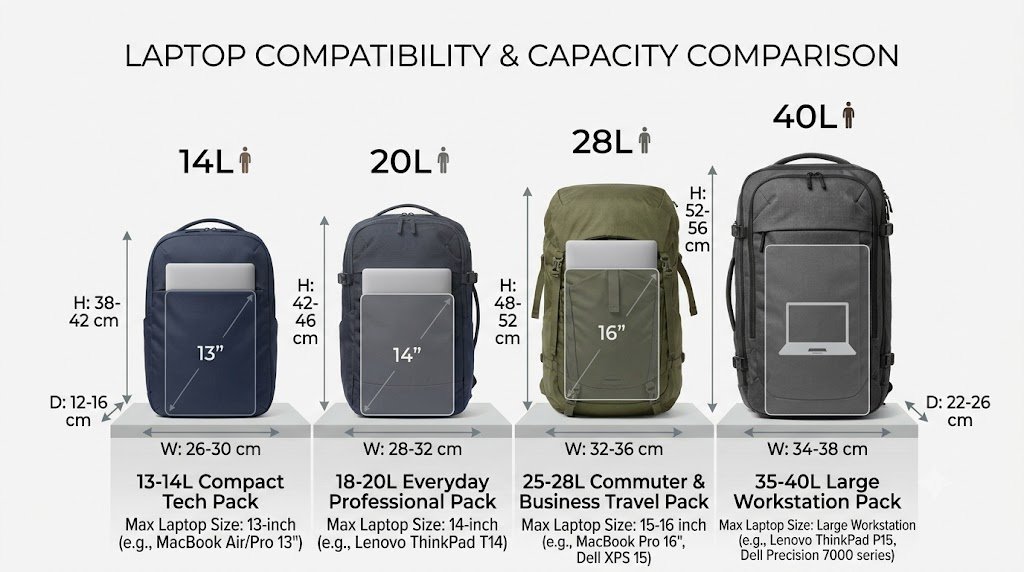
- Measure your torso length from your C7 vertebra to your iliac crest to ensure a proper fit.
- Select a 30-liter to 40-liter bag for carry-on travel, as most airlines limit dimensions to 22 x 14 x 9 inches according to TSA carry-on bag size guidelines.
- Check the internal frame structure, as a metal or plastic frame distributes weight to your hips rather than your shoulders.
- Test the bag fully loaded with your planned items to confirm it doesn’t pull your center of gravity backward. Tip: If the bag feels unstable, adjust the load so the heaviest items sit close to your back and mid-height.
- Verify the strap padding quality, especially if you plan to walk more than 30 minutes between transit stops. Tip: A bag with a sternum strap and load lifters is essential for any pack over 35 liters.
- Consult a professional at a local gear shop if you have existing back injuries, as they can help you adjust the harness system for your specific anatomy.
How long it takes
The time required to pack varies based on your organization system and trip duration.
| Situation | How long | What changes it | What to watch for |
|---|---|---|---|
| Weekend trip | 15 minutes | Minimal clothing | Overpacking “just in case” |
| One-week trip | 45 minutes | Laundry access | Heavy footwear choices |
| Multi-week trip | 90 minutes | Weather variety | Uneven weight distribution |
If your packing process consistently takes over two hours, you’re likely carrying too many redundant items.
How to tell when it’s done
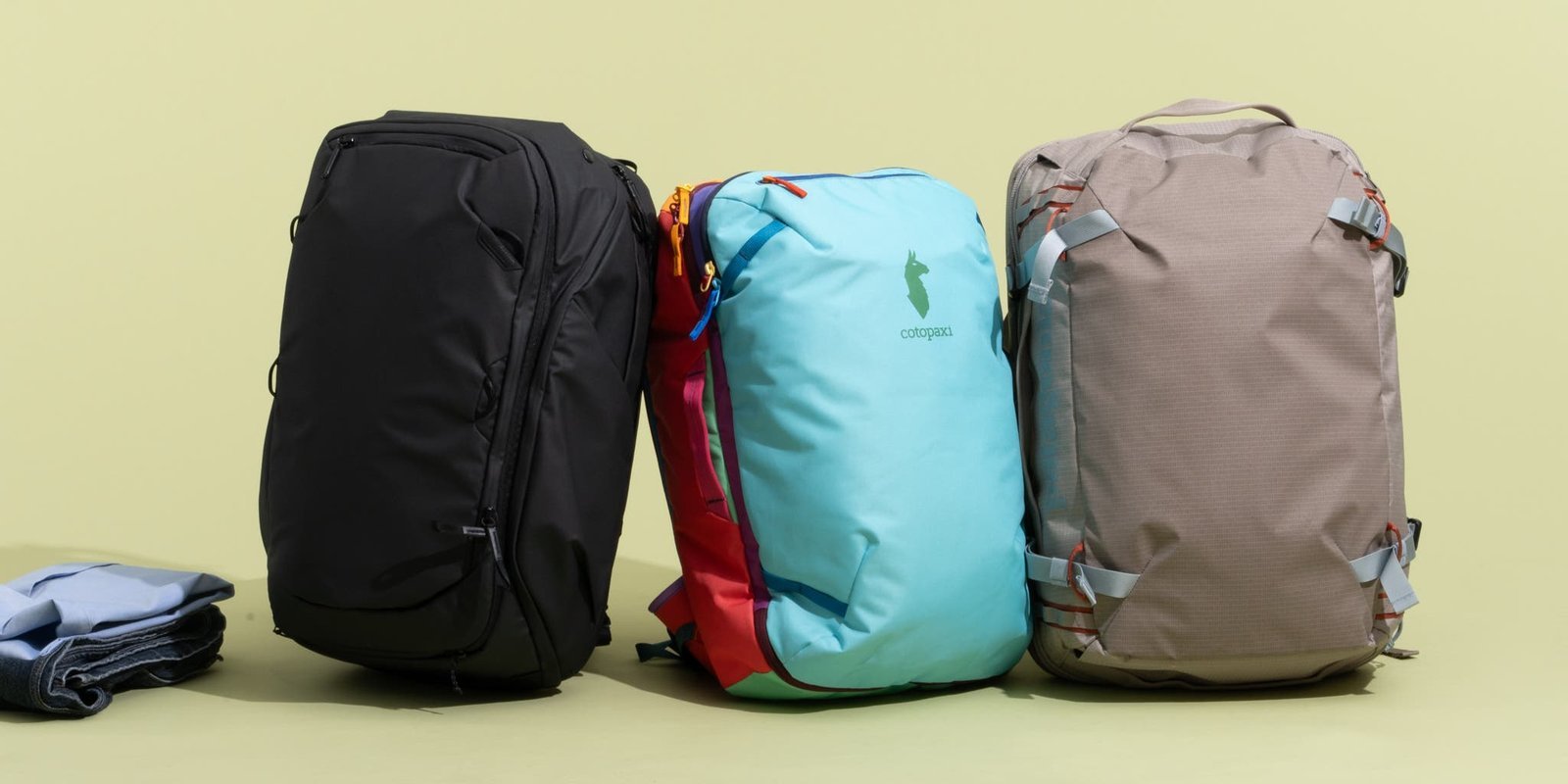
Your backpack is ready when you can lift it easily using only your legs and the straps don’t dig into your collarbone. Secure all compression straps to pull the load tight against your frame, which prevents the contents from shifting while you walk. The final test is the “shake test”: put the bag on, tighten every strap, and jump lightly. If you hear items clattering or feel the weight swinging, reorganize your gear. A properly packed bag should feel like a natural extension of your body, not a heavy weight hanging off your shoulders.
Mistakes that ruin it
- Ignoring the hip belt: Failing to use the belt forces your shoulders to carry all the weight, which causes fatigue after only a few miles. Always tighten the hip belt first so your legs support the load.
- Packing by volume instead of weight: Filling a large bag completely often results in an overweight pack that exceeds airline limits. Use a luggage scale to ensure you stay under the typical 22-pound limit for carry-ons.
- Choosing too many loose items: Putting small items in the main compartment makes it impossible to find things without unpacking everything. Use packing cubes to group your gear and keep the bag contents stable.
- Buying for the wrong climate: Choosing a large bag for a warm-weather trip adds unnecessary bulk and weight. Pick the bag size that fits your specific needs for the season you’re traveling in.
Frequently asked questions
Can a 50L backpack be a carry-on?
No, a 50L backpack is usually too large for standard carry-on dimensions. While some soft-sided bags might fit when under-packed, most airlines will force you to check a 50L bag at the gate, which carries a risk of loss or damage during transit.
Is it safe to carry a heavy backpack all day?
Yes, it’s safe if the bag is fitted correctly and the weight is transferred to your hips. If you feel numbness in your arms or sharp pain in your spine, stop immediately and adjust the harness, or seek a lighter load to prevent long-term strain.
How long does a good travel backpack last?
A high-quality backpack usually lasts five to ten years with regular use. This varies by model — check the label for material durability and warranty information, as budget bags with thin zippers often fail within two years of heavy travel.
What happens if my bag is too heavy for the airline?
If your bag exceeds the weight limit, you’ll likely pay a fee to check it at the gate. This can be expensive and prevents you from keeping your valuables with you, so weigh your bag at home before heading to the airport.
How do I know if the bag fits my body?
A well-fitting bag sits with the hip belt centered on your iliac crest. If the pack is too long, it will hit your lower back; if it’s too short, the weight will sit entirely on your shoulders, causing significant discomfort during long walks.
Final Thoughts
Choosing the right bag is just the start of your journey. Once you’ve picked your pack, try loading it up and taking a short walk around your neighborhood. You’ll quickly see how it feels on your shoulders, and you won’t have any surprises when it’s time to head to the airport.
Related guides