
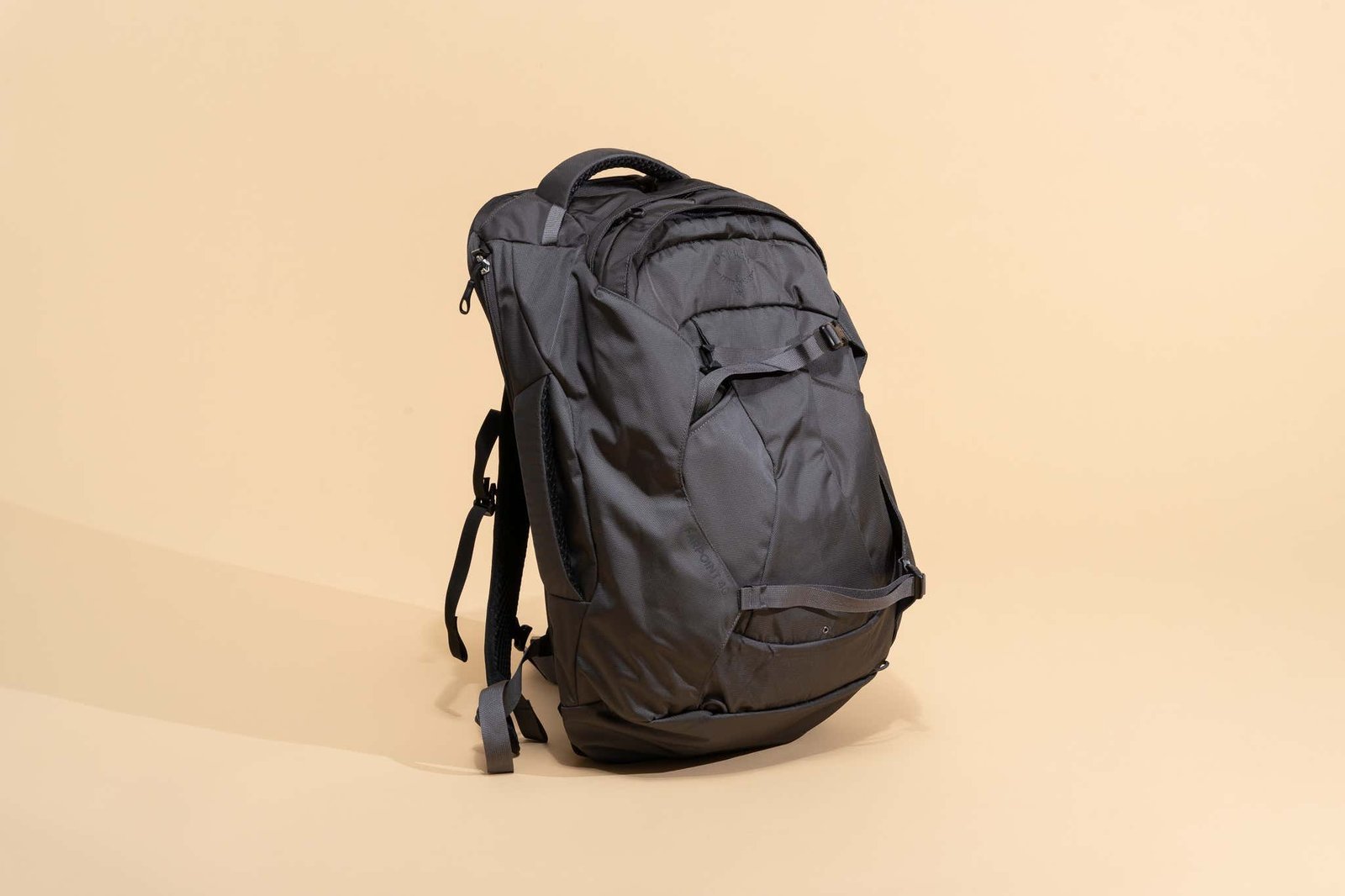
If you are asking what is the best backpack for international travel, the Osprey Farpoint 40 is the answer because it balances carry-on dimensions with an internal frame for weight distribution. This assumes you are flying with standard airlines; for budget carriers, you must check if the dimensions fit their specific sizing boxes.
The best international travel backpack

- Choose a bag with a maximum capacity of 40 liters to meet most international carry-on requirements.
- Ensure the backpack features a full-zip opening for easy access to your clothes and gear.
- Look for a stowaway harness to protect your backpack straps when checking your bag on planes.
- Test the hip belt fit, as it should carry 80% of the total weight off your shoulders.
- Check the Transportation Security Administration guidelines regarding prohibited items to ensure your bag contents remain compliant with international security rules.
- Avoid bags without lockable zippers if you plan to store your gear in shared hostel lockers.
Why this design matters
The primary reason this specific style works for international travel is the weight distribution mechanism. Most standard daypacks put all the pressure on your shoulders, which causes fatigue after thirty minutes of walking. A travel-specific backpack uses a frame sheet and a padded hip belt to shift the load onto your pelvis. This allows you to walk through train stations or airports for hours without back strain.
The design also prioritizes organizational efficiency. Unlike top-loading hiking packs, a travel pack opens like a suitcase. This allows you to see all your gear without dumping it on the floor. If you’re debating between a 40-liter and a 50-liter pack, remember that 40 liters is the limit for most carry-on overhead bins. Anything larger requires checking the bag, which increases the risk of lost luggage. Always verify the specific height and width limits on your airline’s website before you head to the gate.
When the answer is different
| Situation | What changes | What to do instead |
|---|---|---|
| Cold climates | Bulky winter layers | Use a 50-liter pack |
| Business travel | Professional appearance | Pick a slim tech-focused bag |
| Long-term trekking | Camping gear needs | Use an external frame pack |
| Strict budget airlines | Smaller size limits | Use a 30-liter daypack |
| Medical equipment | Extra storage space | Carry a separate medical bag |
How to do it properly
- Pack your heaviest items, like shoes or extra gear, at the bottom of the bag to keep the center of gravity low.
- Use compression cubes to shrink your clothing volume by 30% so you can fit your entire wardrobe into the main compartment.
- Adjust the shoulder straps until the top of the pack sits firmly against your back, preventing the bag from pulling you backward.
- Tighten the hip belt first, then adjust the shoulder straps, and finally pull the load-lifter straps near your collarbone for balance.
- Check that all zippers are fully closed and the compression straps are pulled tight to stop the contents from shifting during transit.
- Test the weight by walking for 15 minutes before your trip; if your shoulders hurt, redistribute the items inside the main compartment.
The mistakes that ruin it
- Overpacking the front pockets prevents the bag from fitting into airline sizing bins, forcing you to pay expensive gate check fees.
- Leaving loose straps hanging outside the bag results in the straps getting caught in airport conveyor belts or bus luggage compartments.
- Ignoring the hip belt forces your shoulders to carry 100% of the weight, which leads to immediate neck pain and poor posture.
- Storing your passport or electronics in a hard-to-reach pocket makes security checks stressful and slows you down when you need items fast.
Frequently asked questions
Can I take a 40-liter backpack as a carry-on?
Yes, most airlines allow a 40-liter bag as a carry-on if it stays under 22 inches in height. Check your specific airline’s baggage policy on their website, as some discount carriers have smaller height limits that may require a 30-liter bag instead.
Is it safe to carry my laptop in a backpack?
Yes, it’s safe if you use a dedicated laptop sleeve located against the back panel of your bag. Keep the laptop in a padded case and ensure the bag is never placed in the checked luggage area to prevent screen damage.
How long does a good travel backpack last?
About 5 to 10 years is standard for high-quality bags if you use them for two trips per year. This varies by model — check the label for fabric denier ratings, as higher numbers indicate better resistance to tears and daily wear.
What happens if my backpack is too heavy?
If the bag exceeds 15 pounds, you’ll likely feel significant strain in your upper back and shoulders. You should remove non-essential items or use a luggage scale to confirm you’re within your airline’s weight limit, which is usually 22 pounds for carry-ons.
Does it matter if the bag is waterproof?
No, most travel bags are water-resistant, not waterproof. If you’re traveling to an area with heavy rain, buy a separate rain cover that fits over your bag to keep your clothes dry during transit.
How do I stop people from stealing my gear?
Use small luggage locks on your zipper pulls to keep the compartments closed. Never leave your bag unattended in public areas like train stations, even if you have locked the zippers, as the entire bag can still be taken.
Final Thoughts
Choosing the right pack is just the start of your journey. Once you’ve picked your favorite, try packing it for a weekend trip to see how it feels on your shoulders. You’ll quickly find what works best for your needs, so don’t be afraid to adjust your gear before heading off.