
Yes, you can carry on a backpack as your primary personal item or carry-on bag on almost all commercial flights. Most airlines allow you to bring a backpack into the cabin if it fits underneath the seat in front of you or in the overhead bin. You should confirm the specific size limits for your airline before you head to the airport.
Can I carry on a backpack? Rules for your flight
The size of your bag determines whether it counts as a personal item or a carry-on. A personal item must fit entirely under the seat, while a carry-on goes into the overhead locker.
| Bag Type | Typical Size Limit | Placement |
|---|---|---|
| Personal Item | 18 x 14 x 8 inches | Under seat |
| Standard Carry-on | 22 x 14 x 9 inches | Overhead bin |
| Small Regional Flight | Varies by aircraft size | Overhead bin |
| Basic Economy Ticket | Personal item only | Under seat |
| International Flight | 22 x 14 x 9 inches | Overhead bin |
Factors influencing your bag choice
Your choice depends on your ticket class and the specific aircraft assigned to your flight route. If you have a basic economy ticket, many airlines restrict you to a single personal item, meaning you can’t bring a larger overhead bin bag. Larger backpacks might exceed the dimensions allowed for personal items, forcing you to pay a gate check fee. If you’re flying on a smaller regional jet, the overhead bins are often too small for standard carry-on backpacks, and the crew may require you to gate-check the bag regardless of its size. Always check the official TSA carry-on baggage guidelines to ensure you aren’t carrying restricted items that could lead to your bag being searched or denied at security. If your bag is too heavy, the airline staff may weigh it and force a check-in; if it meets the dimensions, it usually stays with you.
Steps for packing a carry-on bag
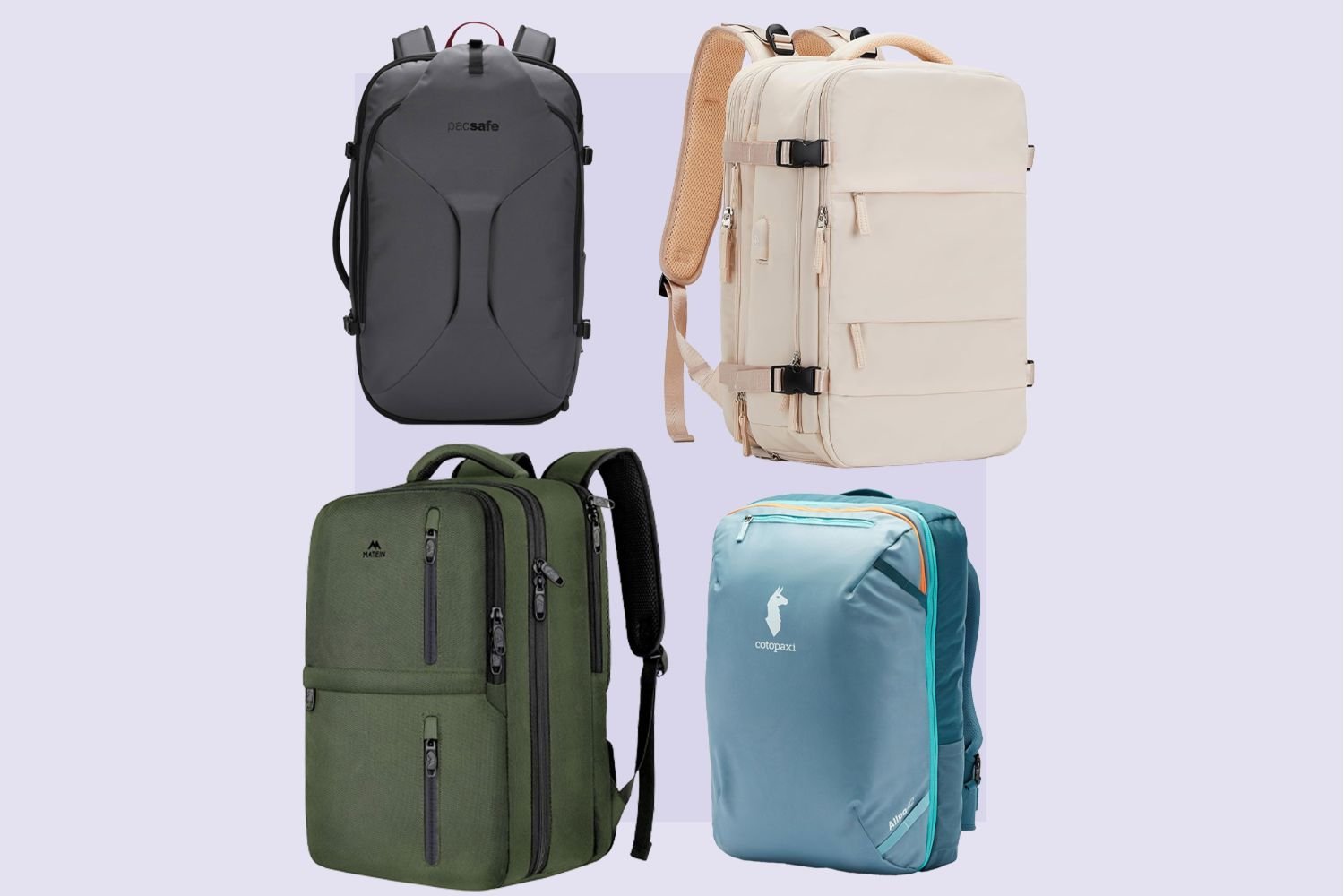
- Measure your backpack while it’s fully packed to ensure it meets the airline’s maximum dimension requirements.
- Pack liquids separately in a clear, quart-sized bag that you can easily remove for security screening.
- Place heavy electronics like laptops in a padded sleeve or a dedicated compartment for quick access during the security process.
- Compress your clothing using packing cubes to maximize the internal volume of your bag without stretching the fabric.
- Secure all loose straps by tucking them into the bag or using clips to prevent them from catching on airport equipment.
- Verify the total weight against the airline’s limit, which is typically between 15 and 22 pounds for international carriers.
The common packing mistake

Many travelers fail to account for the “bulge factor” when measuring their backpack. A bag that measures within limits while empty often expands when stuffed with clothes or gear, pushing it over the allowed dimensions. This mistake often costs travelers a steep “gate-check fee” that can be three times the price of a checked bag booked in advance. To avoid this, always measure your bag when it’s fully loaded. If the backpack appears tight, remove one bulky item to ensure the fabric remains flat against the frame, as this is how airline staff judge compliance.
When to seek professional assistance
- Damaged zippers or seams that might burst during transit and spill your personal items; see a luggage repair specialist.
- Medical equipment requirements that exceed standard carry-on rules; contact your airline’s special assistance desk before you arrive.
- Oversized fragile gear that doesn’t fit standard dimensions; speak with a cargo agent to discuss specialized shipping options.
- Prohibited items in your bag that you can’t discard; consult the airport security supervisor for guidance on legal disposal.
Can I bring a second bag?
Most airlines allow one personal item and one carry-on bag if your ticket class permits it. Check your boarding pass, as basic economy fares often restrict you to one personal item only.
Does my backpack need to be weighed?
Weight checks are common on international and budget airlines. If your bag looks heavy, the agent may weigh it at the check-in desk or the gate, so keep it under 22 pounds.
What happens if my bag is too big?
If the gate agent determines your bag is too large, they will force you to check it. This usually results in a mandatory fee paid at the gate, which is often expensive.
Are laptop backpacks allowed?
Yes, laptop backpacks are allowed as long as they fit the size requirements. You’ll need to remove the laptop during security screening at most airports globally to allow for clear imaging.
Can I bring food in my backpack?
Yes, you can bring solid food through security. However, gels, liquids, or spreads must be in containers of 3.4 ounces or less and fit inside your single quart-sized bag for liquids.
Is it safe to put keys in my backpack?
It’s safe, but keep them in an interior zipped pocket to prevent loss. If your bag is checked at the gate, ensure you have removed all lithium batteries and power banks first.
Start by checking your specific airline’s website for their current dimensions for personal items and carry-ons. Pack your bag fully and measure it to ensure it fits the provided dimensions, which confirms you’re ready for boarding. If the bag feels excessively heavy or bulky, check it early to avoid gate fees.