
Most airlines require that your carry-on bag doesn’t exceed 22 x 14 x 9 inches, which is how big can your backpack be on a plane when you want to store it in the overhead bin. This includes the wheels and handles.
How big a backpack you can bring on planes
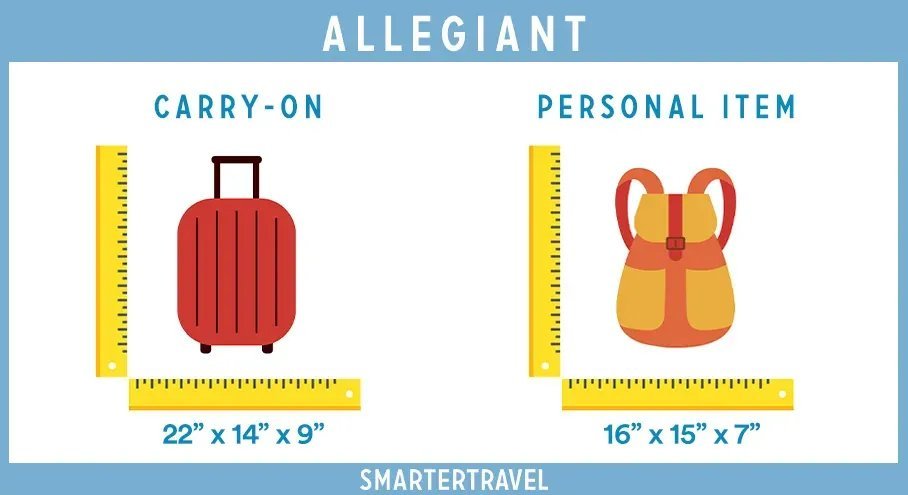
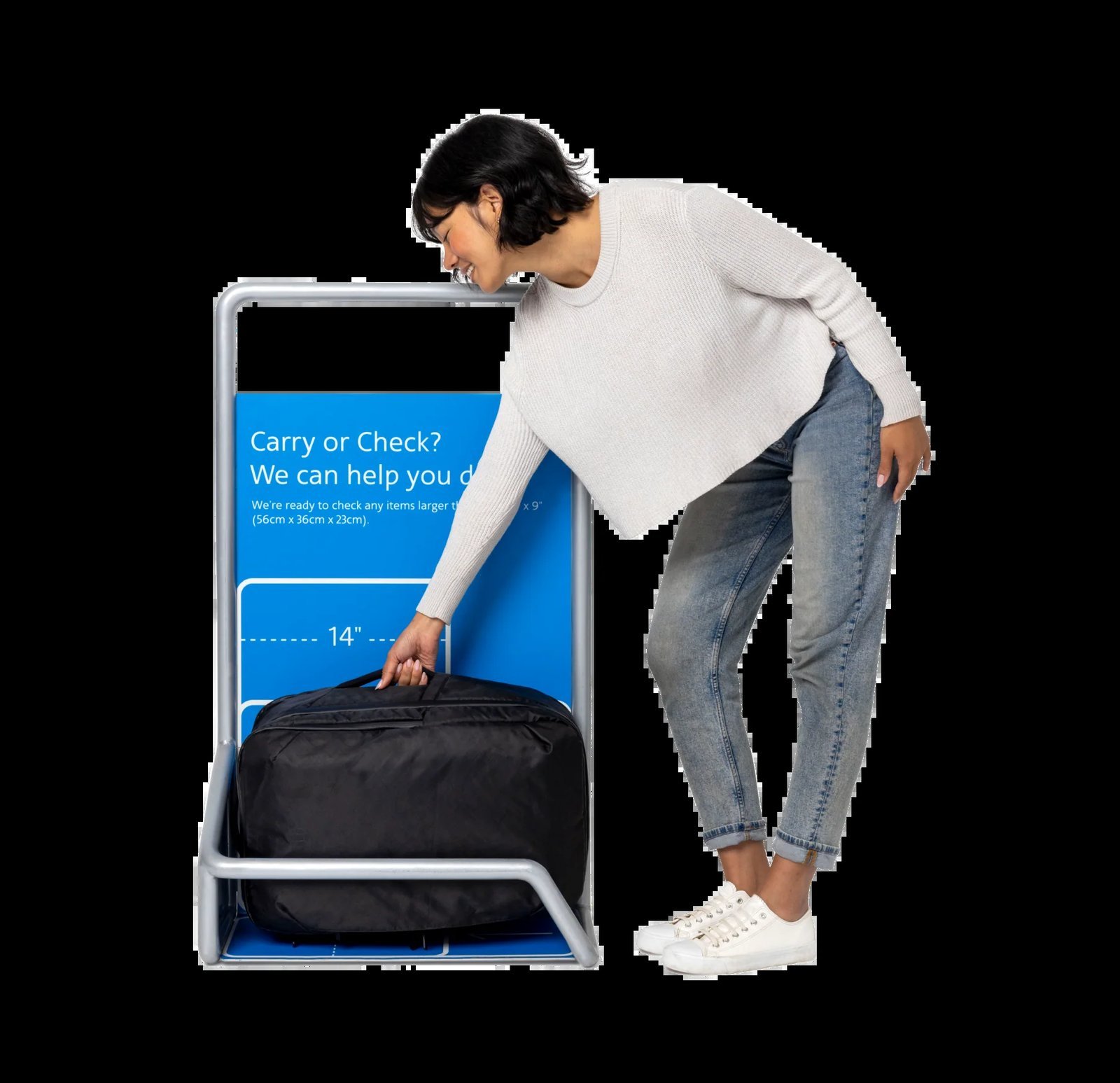
To avoid extra fees at the gate, you should measure your bag before you leave for the airport. If you’re flying on a budget carrier, the allowed size is often smaller than on major international airlines.
- Standard carry-on: 22 x 14 x 9 inches (56 x 36 x 23 cm).
- Personal item: Must fit under the seat in front of you, usually around 18 x 14 x 8 inches.
- Weight limits: Some airlines cap the weight at 15 to 22 pounds.
- Measurement method: Always include the protruding wheels and side pockets in your total dimensions.
- Soft-sided bags: These are easier to squeeze into metal sizers if they aren’t packed to the brim.
- Verification: Check your specific airline’s mobile app or booking confirmation for their unique size requirements.
Why Size Restrictions Exist
Airlines set these limits to ensure that all carry-on luggage fits safely within the overhead storage compartments. If a bag is too large, the bin door won’t close, which creates a safety hazard during takeoff and landing. Airlines mandate that all items must be stowed securely to prevent them from becoming projectiles during turbulence.
Because aircraft bins vary in shape and size, the staff must enforce strict limits to keep boarding efficient. If every passenger brought an oversized bag, the flight would be delayed while staff moved luggage to the cargo hold. This decision rule helps you: if your bag is slightly over the limit, try to compress it; if it’s clearly too large, you must check it at the counter to avoid a gate-check fee. The main trade-off is between packing more gear and the ability to avoid checked bag wait times.
When Your Backpack Size Changes
Not every flight follows the same rules. Your allowed dimensions will shift depending on the airline model and the size of the aircraft used for your specific route.
| Situation | What changes | What to do instead |
|---|---|---|
| Budget airlines | Strict size limits | Pack in a smaller bag |
| Regional jets | Smaller overhead bins | Check the bag early |
| International flights | Higher weight limits | Check airline website first |
| Full flights | Bin space is limited | Gate-check for free |
| Basic economy | Carry-on not included | Use a personal item |
How to Pack Your Backpack Properly
- Measure the height, width, and depth of your empty bag using a tape measure to confirm it meets your airline’s maximum allowance.
- Pack your heaviest items at the bottom of the bag to keep the center of gravity low and make the bag easier to carry.
- Fill your bag only to 80% capacity so that the fabric can compress if you need to squeeze it into a metal sizer.
- Remove all loose straps or dangling items that could get caught in the overhead bin mechanism or the airport’s conveyor belt system.
- Check the total weight of your loaded bag using a handheld luggage scale to ensure it remains under the airline’s specific weight limit.
- Place your most important items, like documents and electronics, in an exterior pocket so you can access them without opening the main compartment.
Common Mistakes That Ruin Your Travel
- Overstuffing the front pockets: This makes a bag that’s technically the right size too thick to fit in the sizer.
- Ignoring wheel dimensions: People often forget to count the wheels, which can add two inches to the height and cause a rejection.
- Wearing a bulky jacket: If you pack your heaviest clothes inside the bag, you might exceed the weight limit and be forced to pay.
- Assuming one size fits all: Many travelers assume that because a bag worked on one airline, it will work on another, which leads to surprise fees.
Frequently asked questions
Can my backpack be a personal item?
A backpack can be a personal item if it fits completely under the seat in front of you. Most airlines define a personal item as being approximately 18 x 14 x 8 inches, so check your specific carrier’s website for their exact measurements.
What happens if my bag is too big?
Your bag will be gate-checked and placed in the cargo hold if it exceeds the size limits. You may have to pay a significant fee at the boarding gate, which is often higher than the cost of checking a bag in advance.
Is it safe to force a bag into the sizer?
It’s safe to push a soft-sided bag into the sizer if the frame doesn’t bend. However, don’t force a hard-shell suitcase, as you risk damaging the zipper or the internal structure of the bag during the process.
How long does it take to gate-check a bag?
Gate-checking a bag takes only a few minutes, but it will delay your exit from the aircraft. You’ll have to wait at the baggage claim area upon arrival rather than walking directly out of the airport with your belongings.
Does the weight of my backpack matter?
The weight of your backpack matters on many international carriers and budget airlines. While domestic US flights rarely weigh carry-on bags, some carriers enforce a 15 to 22-pound limit, and you should verify this on your ticket.
Why do I need to remove straps?
You must remove or tuck in loose straps to prevent them from snagging on the overhead bin door. If a strap is caught, it can prevent the bin from locking, which forces the flight crew to manually adjust the luggage before departure.
Conclusion
The specific limit that applies to your travel is the maximum dimension published on your airline’s official website for your ticket class. Always check your booking confirmation before you pack to ensure your bag complies with the rules for that specific journey.