
Learning how to choose the right backpack for travel prevents physical strain by matching the pack’s volume to your trip duration and ensuring the harness fits your torso. A thirty-liter bag works for weekends, while trips lasting weeks require fifty liters or more.
Choosing the right backpack for your trip
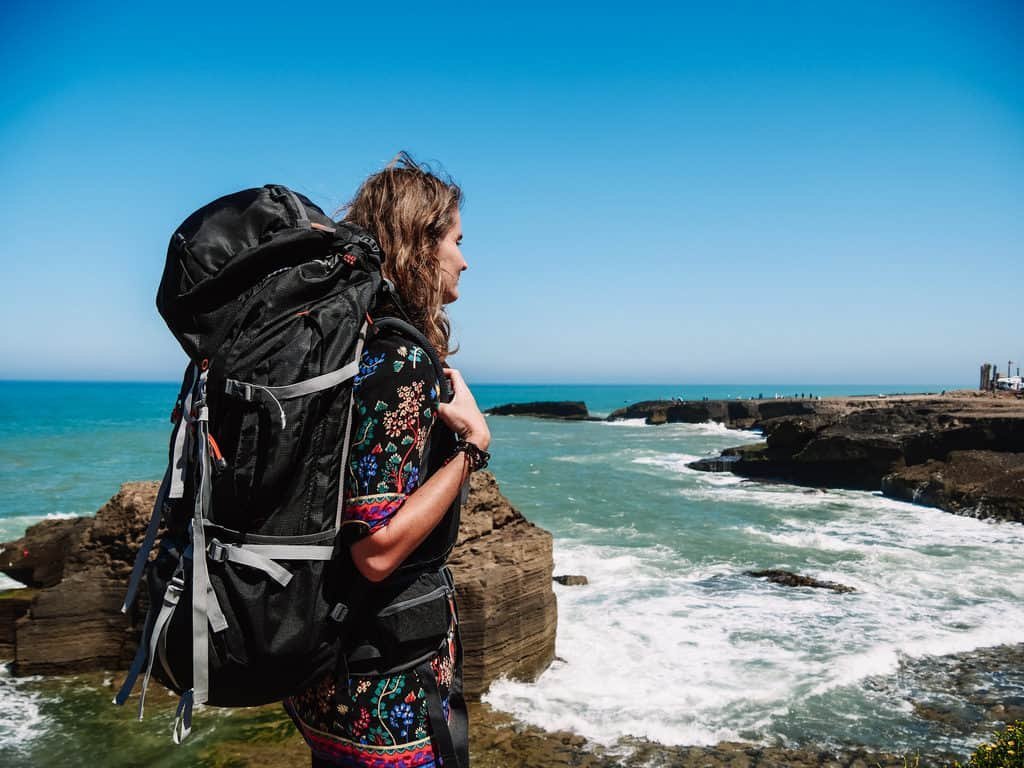
The right choice depends on your travel style and how much gear you carry.
| Method | How long | Effort | Cost | Best for |
|---|---|---|---|---|
| Carry-on pack | 2-4 days | Low | Medium | Light travelers |
| Internal frame | 1-2 weeks | Medium | High | Long trips |
| Rolling hybrid | 1-2 weeks | Low | High | Urban transit |
| Duffel bag | 1-3 days | High | Low | Casual trips |
Selecting a carry-on backpack
You prioritize mobility by picking a bag that fits airline overhead bin dimensions.
- Measure your torso length from the C7 vertebra to the iliac crest.
- Select a bag capacity between thirty and forty liters.
- Tighten the hip belt so it rests on your pelvic bones.
- Adjust the shoulder straps until the load sits close to your back.
This style is perfect for avoiding checked bag fees and moving quickly through airports. It isn’t for people carrying specialized gear like climbing ropes or heavy cameras. Most airlines require carry-on bags to stay under the limits set by the International Air Transport Association. This varies by model — check the label for specific dimensions.
Fitting an internal frame pack
You gain comfort on long hauls by using a pack with a rigid frame.
- Loosen all straps before putting the pack on your back.
- Fasten the hip belt first, ensuring most weight rests on your hips.
- Pull the shoulder straps snug to stabilize the top of the load.
- Tighten the load lifters at the top to pull the weight toward your center.
This design excels at weight distribution over long distances. It’s a mistake to leave the hip belt loose, as this forces your shoulders to carry the entire weight, leading to back pain. This isn’t for short trips where the extra frame weight makes the bag feel bulky and unnecessary.
Using a hybrid rolling bag
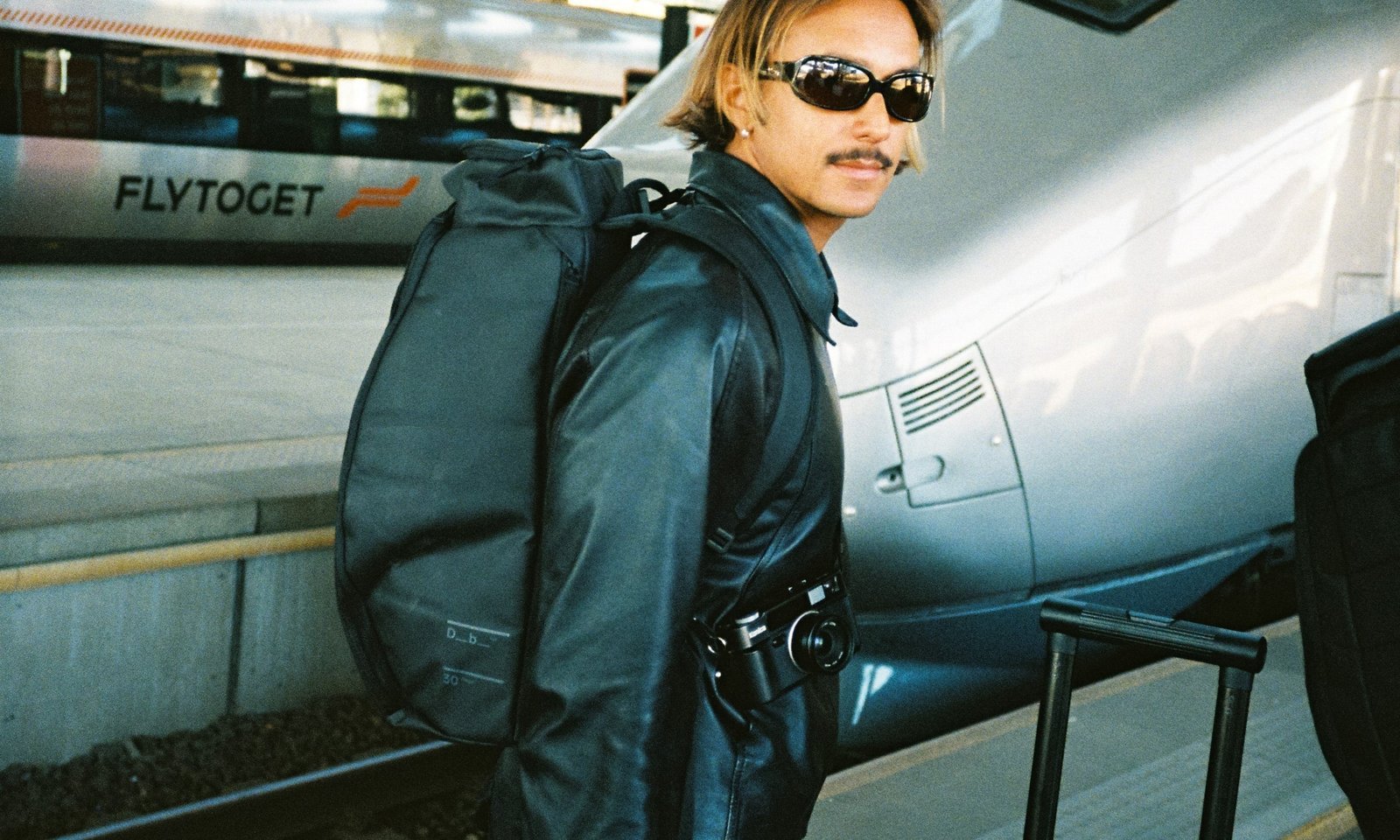
You choose this method when you want the ease of wheels but the option to carry.
- Extend the handle fully to ensure a natural walking posture.
- Engage the backpack straps only when navigating stairs or rough terrain.
- Balance heavy items at the bottom of the main compartment.
- Secure compression straps to stop gear from shifting while you roll.
This is ideal for urban environments with paved paths. You avoid the fatigue of carrying weight on your shoulders entirely. The weakness is the added weight of the wheels and handle, which reduces your total packing capacity. If you travel on unpaved roads, the wheels are often a liability that adds bulk without benefit.
Which one should you use?
If you’re in a hurry, pick the carry-on pack because it removes the need to wait at luggage carousels. If you’re doing this for the first time, use the internal frame pack as it provides the most support while you learn to pack efficiently. When you want the best possible result regardless of cost, select a high-end internal frame pack with an adjustable torso length. You always face a trade-off between the convenience of wheels and the comfort of a well-fitted harness. Balance your need for mobility against your total gear weight.
The rules that apply whichever way you choose
Regardless of your pack type, you must keep the weight under twenty percent of your body weight to avoid injury. Prepare by packing your heaviest items closest to your spine. Check that all buckles click securely and straps aren’t frayed before every departure. At the end of your trip, inspect the zippers and frame for stress marks. If your pack has complex suspension, consult the manufacturer’s manual for specific cleaning instructions. Improper cleaning can ruin moisture-wicking fabrics. If you’re unsure about the structural integrity of your gear, consult a professional outdoor repair shop.
Frequently asked questions
Can I use a hiking backpack for city travel?
Yes, you can use a hiking backpack for city travel, but it may feel bulky in crowded spaces. These bags are designed for weight distribution rather than easy access to tech or documents.
Why is my backpack hurting my lower back?
Your backpack is likely hurting your back because the hip belt isn’t supporting the weight. Ensure the belt sits firmly on your pelvic bones and the load stays close to your spine.
How long should a quality travel backpack last?
A quality travel backpack should last between five and ten years with regular use. This varies by model — check the label or warranty terms to see what the manufacturer guarantees for your specific material.
Is it safe to store a backpack in a damp basement?
No, it isn’t safe to store a backpack in a damp basement because moisture causes mold and fabric rot. Store your gear in a cool, dry place away from direct sunlight to prevent damage.
What happens if I overpack my bag?
If you overpack, you risk breaking zippers and putting excessive strain on your shoulders. You also make it difficult to maneuver, which increases the chance of accidents when you’re in a crowded transit hub.
Final Thoughts
Once you’ve narrowed down your favorites, head to a local shop to try them on with some weight inside. Don’t just settle for the first one you see; walk around the store for a while to ensure it feels comfortable. You’ll be glad you did when you’re finally exploring your destination.