
To learn how to choose a travel backpack, measure your spine to ensure the harness aligns with your body; you must match your torso length to the frame size so the hip belt can support eighty percent of the weight for long-term comfort.
How to choose a travel backpack
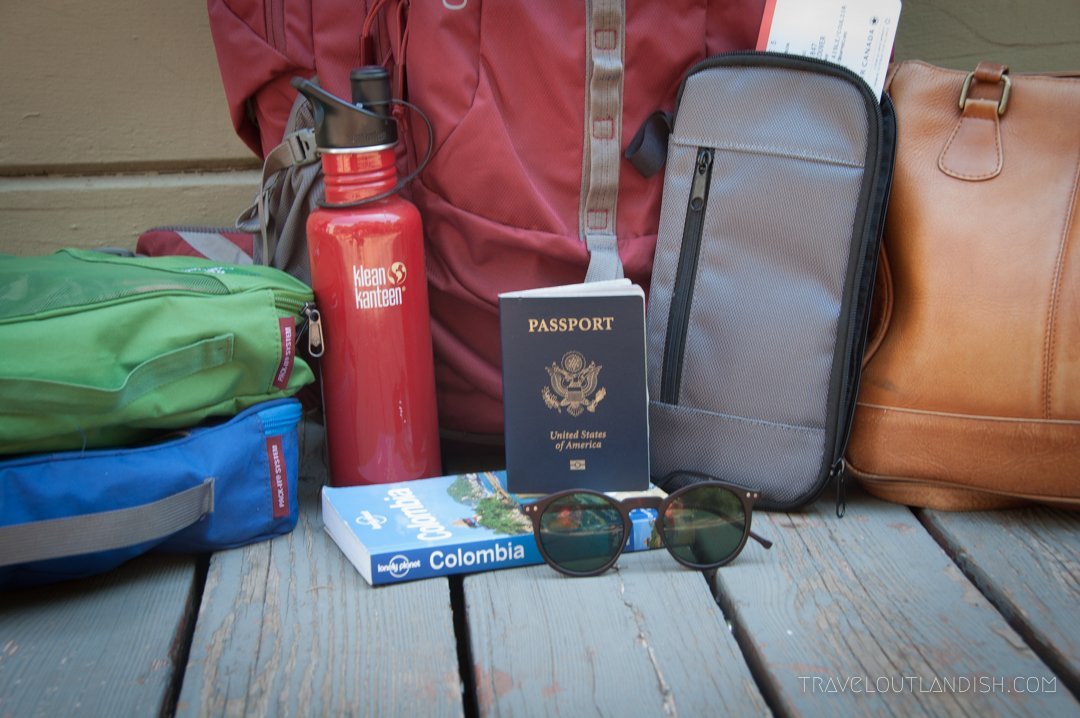
A travel backpack is a specialized luggage piece designed for mobility, usually featuring a structured internal frame and a padded suspension system. These bags differ from standard school packs because they prioritize weight distribution across your hips rather than your shoulders. If you’re tall, you need a longer frame; if you’re short, you need a compact frame. A common mistake is buying a pack based on total volume alone, which leads to carrying too much weight that the harness can’t support. The TSA guidelines on carry-on dimensions define the limits for air travel, which serves as the primary constraint for most travelers when selecting their gear.
The basic method
- Measure your torso length from your C7 vertebra down to your iliac crest to determine your correct frame size.
- Load the pack with five to ten pounds of weight to test how the suspension system handles the load.
- Tighten the hip belt first so the padding sits directly over your iliac crest bones.
- Adjust the shoulder straps until they wrap snugly without lifting the hip belt off your waist.
- Pull the load lifters at the top of your shoulders to bring the pack weight closer to your back.
- Fasten the sternum strap across your chest to keep shoulder straps from sliding outward.
The key judgment call is the hip belt fit. If the belt sits on your soft stomach rather than your hip bones, you’ll experience back pain regardless of the pack’s quality. If you have a pre-existing medical condition, consult a physical therapist before choosing a heavy load-bearing pack.
Key numbers and settings at a glance
Travel packs vary by trip length and airline requirements, so choose based on your specific travel needs.
| Situation | What to use | How long | What to watch for |
|---|---|---|---|
| Weekend trip | 30-40L pack | 2-3 days | Carry-on compliance |
| Week-long trip | 45-55L pack | 7 days | Weight on shoulders |
| Multi-week travel | 60L+ pack | 14+ days | Checked bag fees |
| Light hiking | 20-30L pack | Day use | Hydration port |
What separates good results from bad ones
Proper loading techniques
Experienced travelers place heavy items, such as shoes or water bottles, close to their spine and centered between the shoulder blades. This keeps your center of gravity stable. If you put heavy items at the bottom, the bag will pull your shoulders backward, causing fatigue. They also group small items into packing cubes to keep the interior organized and prevent the weight from shifting during transit.
Adjusting for comfort
Mid-way through a walk, you might find the straps feel loose. Don’t panic; textiles stretch under tension. Stop and re-tighten the hip belt and load lifters. If the bag starts to bounce while you walk, the load is too far from your body. This varies by model — check the label for specific adjustment instructions, as some frames are fixed while others offer sliding harness systems.
Common problems and quick fixes

| What you notice | What it usually means | What to do first |
|---|---|---|
| Shoulder pain | Improper weight transfer | Tighten hip belt |
| Back rubbing | Frame size mismatch | Adjust harness height |
| Bag swinging | Loose compression straps | Tighten all external straps |
| Zipper sticking | Overpacked main compartment | Remove bulky items |
Rules for airline carry-ons
Airlines enforce strict size and weight limits for cabin baggage. The International Air Transport Association suggests a maximum size of 56cm x 45cm x 25cm for most carriers, but you must check your specific airline’s website before heading to the airport. If your bag exceeds these dimensions, you’ll be forced to check it at the gate, which often carries a fee. Never assume your bag fits just because it looks small; always use a measuring tape to confirm the height, width, and depth.
Maintenance and storage
Keep your backpack in a cool, dry area away from direct sunlight when not in use. Sunlight degrades synthetic fabrics over time, making them brittle. If the zippers become stiff, use a small amount of silicone-based lubricant to restore smooth movement. If the bag gets dirty, hand-wash it in a tub with mild soap and air dry it completely before storing. Never use a washing machine, as the agitator can destroy the internal frame or rip the mesh padding.
When to use a different approach
If you’re traveling for business with suits or fragile equipment, a backpack is the wrong choice; use a hard-shell rolling suitcase instead. If you’re going on a multi-day wilderness trek, a standard travel backpack lacks the ventilation needed for intense physical output; choose a dedicated technical hiking pack. Use this guidance to filter your options, but always prioritize a pack that fits your body type over one that simply looks the best.
Frequently asked questions

Can I use a hiking backpack for travel?
Yes, you can use a hiking backpack for travel if it fits airline carry-on dimensions, but be aware that hiking packs often lack the convenient “clamshell” opening found on travel-specific bags.
Why does my back hurt with a backpack?
Your back hurts because the weight is resting on your shoulders instead of your hips, which forces your spine to compensate for the imbalance by leaning forward or backward during transit.
How long should a travel backpack last?
A high-quality travel backpack should last for many years with regular use, provided you avoid overstuffing the zippers and keep the fabric clean of salt and dirt build-up.
Is it safe to lock my backpack zippers?
Yes, it’s safe to lock your backpack zippers, but use TSA-approved locks so security agents can open your bag for inspection without cutting the locks or damaging your zipper sliders.
What happens if the frame bends?
If the frame bends, the bag will lose its ability to transfer weight to your hips, and you should contact the manufacturer to see if the warranty covers frame replacement.
Final Thoughts
Once you’ve found a pack that feels like a natural extension of your body, head to a local trail or park for a test walk. You’ll quickly see how it handles under pressure. Don’t be afraid to adjust the straps as you go; getting it right now makes your future adventures much easier.