
A standard mini backpack usually measures between 10 and 13 inches in height, 8 and 10 inches in width, and 4 and 6 inches in depth. Most people find that how big is a mini backpack depends on the specific brand design, as these dimensions are meant to hold daily essentials like a wallet, phone, and keys.
This size is perfect if you only need to carry light items for a few hours. If you try to pack a heavy laptop or thick textbooks, the bag will quickly lose its shape or the zipper might break. The biggest mistake is assuming a mini bag can handle the same weight as a full-sized school bag. If you need to carry heavy gear, use a bag designed for weight distribution; if you’re just walking around the city, a mini bag is fine.
How big is a mini backpack? Determining capacity
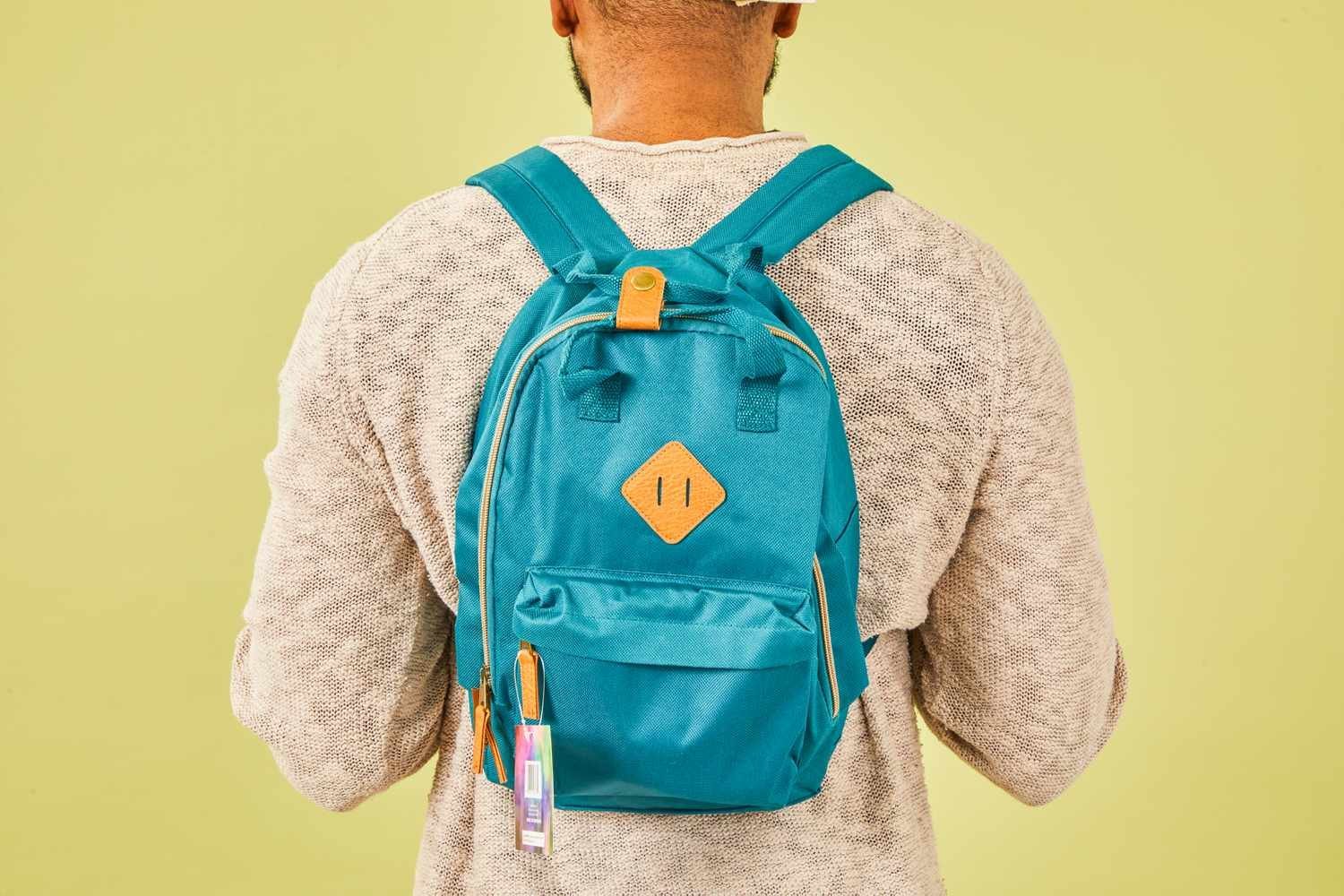
- Measure your tallest daily item, such as a water bottle or a long wallet, to ensure it fits within the 10-to-13-inch height limit.
- Adjust the shoulder straps so the bag sits high on your back, which prevents the weight from pulling your shoulders backward.
- Test the zipper movement before loading the bag to ensure it glides smoothly without catching on the inner lining. Tip: If the zipper feels tight when the bag is half-full, you have reached the maximum capacity for that model.
- Verify the bag’s closure type, as drawstrings offer more flexibility than rigid zippered openings for bulky items. Tip: A bag with a magnetic snap is faster to open, but it offers less security for valuables in crowded public areas.
According to the Consumer Product Safety Commission guidelines for carrying school supplies, keeping the load under 10 percent of your body weight is essential to avoid strain, though this limit is even lower for smaller, less structured mini backpacks.
How long it takes
The time to pack or organize a mini backpack is minimal because of the limited space.
| Situation | How long | What changes it | What to watch for |
|---|---|---|---|
| Basic daily items | 30 seconds | Number of pockets | Items falling out |
| Organizing tech cables | 2 minutes | Number of cords | Tangled connectors |
| Deep cleaning interior | 15 minutes | Fabric type | Color bleeding |
If it takes you longer than a few minutes to organize your bag, you’re likely carrying too many small items that don’t fit well in the limited compartments.
How to tell when it’s done
Photo: www.reuniontower.com on Google
You know the bag is packed correctly when the zipper closes without any force and the bag maintains its original shape. If the fabric looks stretched or the seams appear strained, you have exceeded the intended capacity. The best way to check is to place the bag on a flat surface; if it tips over or bulges unevenly, the weight distribution is off. Always ensure the internal straps aren’t tangled with your belongings, as this can cause the bag to sit lopsided against your back. If the bag feels uncomfortable after five minutes of walking, remove at least one heavy item to relieve the pressure.
Mistakes that ruin it
- Overloading the main compartment: Forcing items into a small space stretches the seams and permanently damages the zipper track. Use a smaller wallet or organizer to keep things compact instead of stuffing loose items inside.
- Ignoring the weight limit: Carrying heavy tablets or metal water bottles causes the thin shoulder straps to cut into your skin or detach from the bag.
- Leaving zippers partially open: An open zipper allows small items to fall out during movement and puts uneven tension on the remaining closed teeth. Always pull the zipper all the way to the side to keep the bag secure.
- Storing wet items inside: Moisture trapped in a small, enclosed space leads to mildew and damages the interior lining of synthetic bags. Allow your umbrella or water bottle to dry completely before placing them inside.
Frequently asked questions
Photo: www.nike.com on Google
Can a mini backpack fit an iPad?
Yes, most mini backpacks fit a standard 10-inch iPad, but you must check your specific model’s internal dimensions. If your tablet has a thick protective case, it may not slide into the main compartment easily. Always measure your device including the case before buying the bag.
Is it safe to carry a laptop in a mini backpack?
No, it isn’t safe because mini backpacks lack the padded sleeve and structural support required to protect a laptop. Carrying a heavy device in a bag this size will likely result in screen damage and significant shoulder discomfort for the wearer.
Why is my mini backpack zipper stuck?
Your zipper is likely stuck because the fabric lining is caught in the teeth or the bag is overstuffed. Gently pull the fabric away from the slider and remove some items to reduce the tension. If the teeth are bent, don’t force the zipper, as this will break it.
How long does a mini backpack last?
A mini backpack lasts between one and three years with daily use, depending on the quality of the zippers and the thickness of the fabric. This varies by model — check the label for material durability. Cheap plastic zippers often fail before the fabric itself shows any wear.
What happens if I wash my mini backpack?
Washing your mini backpack in a machine often destroys the shape and ruins the water-resistant coating on the fabric. Most manufacturers recommend wiping the exterior with a damp cloth and mild soap instead. Check the care tag inside the bag for specific washing instructions before doing anything else.
Is a mini backpack considered a personal item on a plane?
Yes, a mini backpack is almost always counted as a personal item by airlines because it fits easily under the seat in front of you. You can usually carry it in addition to your standard carry-on luggage. Verify your airline’s specific size limits on their website before you head to the gate.
Final Thoughts
Choosing the right bag comes down to your personal style and what you plan to carry. Before you make a purchase, try measuring your favorite items to ensure they’ll fit comfortably inside. You’ll find that having the perfect size makes your daily commute much easier and keeps you organized on the go.