
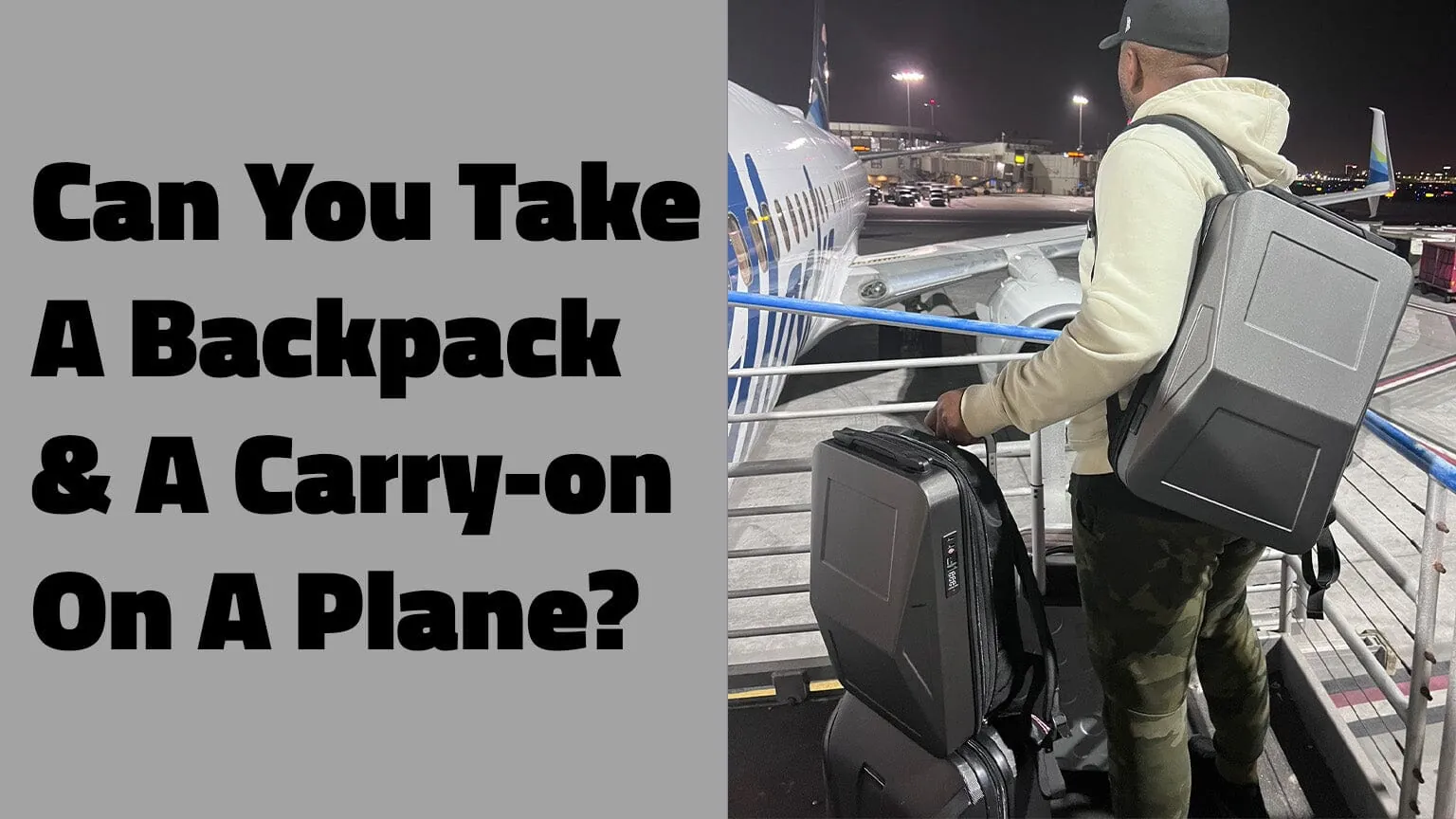
Yes, you can absolutely bring both a carry-on bag and a personal item like a backpack onto almost every commercial flight. Airlines distinguish between a standard carry-on, which typically goes into the overhead bin, and a personal item, which must be small enough to fit completely underneath the seat in front of you. This dual-bag strategy is the industry standard for maximizing your luggage allowance without incurring checked bag fees.
Key Takeaways
- Confirm your specific airline’s dimensions for personal items to avoid gate-check fees.
- Keep your travel documents and essential medications inside your backpack for quick access.
- Ensure your backpack fits fully under the seat to comply with safety regulations.
- Measure your bags before leaving home to ensure they meet the airline’s size limits.
- Utilize a backpack with a luggage sleeve to stack it securely on your carry-on handle.
Can You Have Carry On And Backpack?
Most major carriers allow one piece of carry-on luggage and one personal item. A backpack counts as your personal item as long as it’s compact. If your backpack is oversized, the gate agent may force you to check it, which often results in a fee. Always check the official TSA carry-on baggage guidelines to ensure your items are permitted through the security checkpoint.
Standard Luggage Size Comparisons
Understanding the difference between carry-on and personal item limits is vital for a smooth boarding process. The following table provides typical size ranges for these items across major domestic airlines.
| Item Type | Standard Size Range (Inches) | Typical Weight Limit |
|---|---|---|
| Carry-on Bag | 22 x 14 x 9 to 24 x 16 x 10 | 15–35 lbs |
| Personal Item | 16 x 11 x 7 to 18 x 14 x 8 | 10–20 lbs |
What Qualifies As A Personal Item?
A personal item is defined by its ability to fit beneath the seat in front of you. This category isn’t limited to backpacks; it includes several other common travel accessories.
- Laptop bags or computer sleeves.
- Small messenger bags or satchels.
- Purses or small handbags.
- Camera bags.
- Briefcases.
Strategies For Packing Efficiently
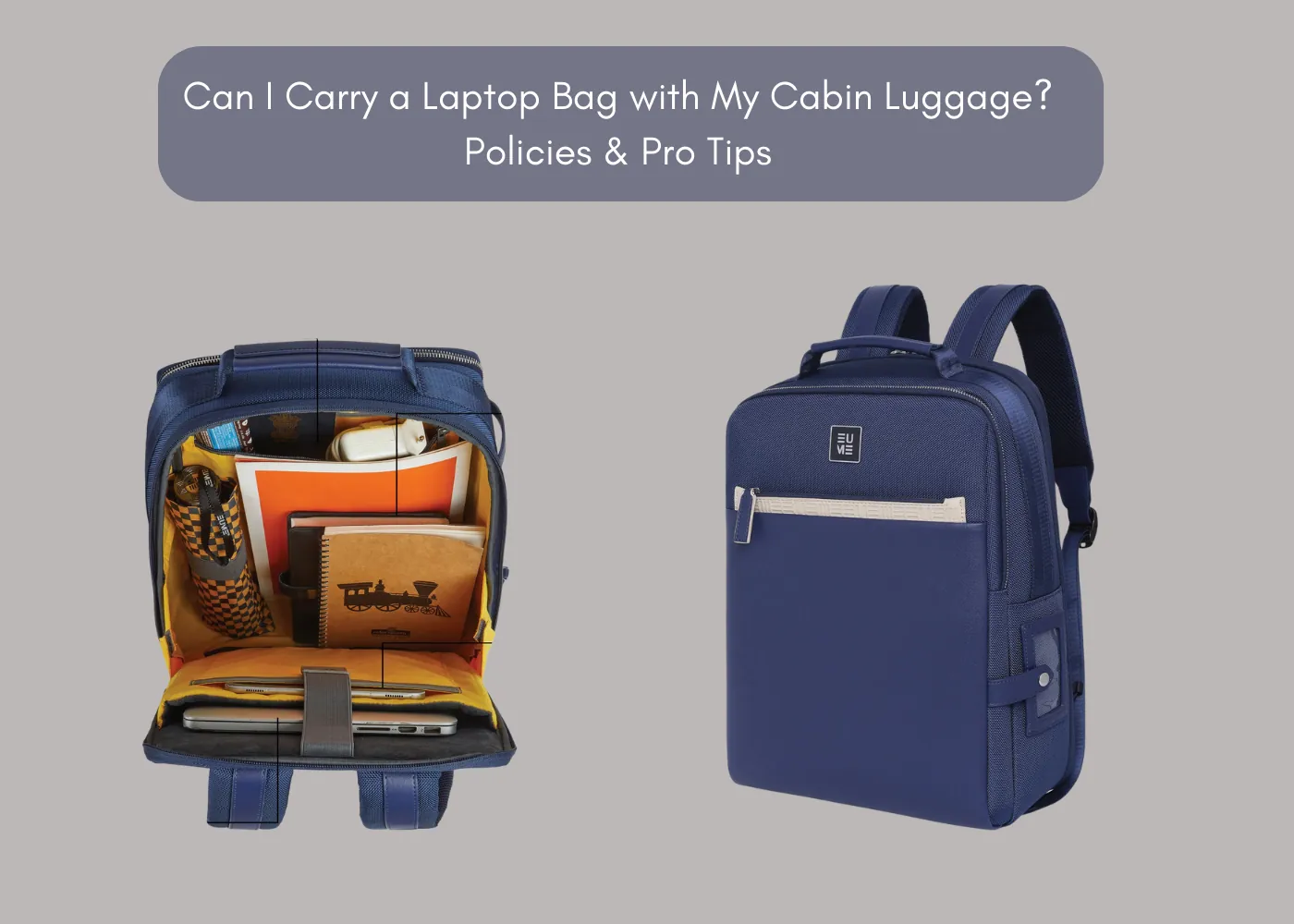
When you carry two bags, weight distribution matters significantly. Put your heaviest items in the carry-on bag, as it’s easier to wheel through the terminal. Keep your electronics and chargers in the backpack so you can easily pull them out for security screening. Using a backpack with dedicated internal compartments helps keep your items organized and prevents spills during turbulence.
Managing Your Bags At Security
The security checkpoint is often the most stressful part of the travel experience. To streamline this process, keep your liquids bag and your laptop in an outer pocket of your backpack. When you reach the bins, place your backpack on the belt first, followed by your carry-on. This ensures your valuable items remain in your sightline as you pass through the metal detector.
Choosing The Right Gear
The type of bag you choose determines how well you manage your journey. Seek out brands that prioritize travel utility and durability.
- Osprey Farpoint series for versatile hiking-style backpacks.
- Away carry-on suitcases for optimized internal storage.
- Timbuk2 classic messenger bags for professional settings.
- Patagonia Black Hole packs for rugged, weather-resistant storage.
- Samsonite hardside spinners for maximum protection.
Is A Backpack Always Free?
On most legacy carriers, bringing a personal item is included in the base fare. However, if you’re flying on a budget airline, your ticket class might restrict you to only one bag. Always review your fare class details before arriving at the airport. Budget carriers often charge significantly more at the gate if you show up with two bags when you only paid for one.
| Ticket Type | Typical Baggage Allowance | Potential Extra Cost |
|---|---|---|
| Basic Economy | Personal item only | $40–$75 for carry-on |
| Main Cabin | Carry-on + Personal item | Included |
| Business/First | Carry-on + Personal item | Included |
Tips For Boarding The Plane
Once you reach your row, place your carry-on in the overhead bin immediately. Place your backpack under the seat in front of you.
Warning: Don’t place your backpack in the overhead bin unless instructed by a flight attendant, as this occupies space meant for larger suitcases and slows down the boarding process for other passengers.
Pro Tip: If you’re flying on a small regional jet, the overhead bins might be too small for your carry-on. Be prepared to “gate check” your suitcase, which means it will be taken at the plane door and returned to you on the jet bridge upon arrival.
Navigating Flight Connections

If you have a tight connection, having your essentials in your backpack is a lifesaver. If your carry-on must be checked at the last minute, you’ll still have your phone, wallet, and travel documents on your person. This preparation minimizes the impact of lost or delayed luggage during international or multi-leg domestic flights.
Frequently Asked Questions
Does a backpack count as a carry-on?
Yes, a backpack usually counts as your personal item, provided it fits under the seat. If you don’t have a separate carry-on suitcase, you can use your backpack as your primary carry-on, and it will be placed in the overhead bin instead of under the seat. Always check your airline’s specific policy regarding “personal items” versus “carry-ons” to avoid confusion.
Can I bring a purse and a backpack?
Most airlines allow one personal item and one carry-on. If your purse is small, you can often place it inside your backpack to count as a single personal item. If both are large, the airline may count them as two separate bags. To be safe, consolidate smaller items into one larger bag before you reach the boarding gate to comply with the “one personal item” rule.
What if my backpack is too big?
If your backpack exceeds the dimensions for a personal item, the airline may require you to check it. This often results in a checked baggage fee, which can range from $30 to $100 depending on the airline and your destination. If you suspect your bag is too large, try to remove bulky items and wear them, such as a heavy jacket, to reduce the bag’s profile.
Are there weight limits for backpacks?
While airlines rarely weigh personal items, they do have weight limits for carry-on bags, typically ranging from 15 to 35 pounds. If your backpack is extremely heavy, a gate agent might ask you to weigh it. It’s best to keep your backpack under 20 pounds to ensure you can easily lift it into the overhead bin if necessary.
Do medical devices count as bags?
Under the Air Carrier Access Act, most airlines don’t count medically necessary equipment or assistive devices as part of your carry-on allowance. These items are generally permitted in addition to your standard carry-on and personal item. Always notify the airline in advance if you’re traveling with specialized medical equipment to ensure a seamless boarding process and proper stowage during the flight.
Conclusion
Packing for your next flight is much easier when you understand the rules for your carry-on and personal items. By choosing a compliant backpack and keeping your essential documents within reach, you can breeze through security and board your flight with confidence. Double-check your airline’s website for the exact dimensions, and you’ll be ready for takeoff.