
Yes, you can absolutely take a 40L backpack as a carry-on, provided the bag’s physical dimensions align with your specific airline’s size constraints. While 40 liters is a popular volume for travel gear, it sits right at the threshold of what most major carriers allow in the overhead bin. The primary challenge isn’t the capacity in liters, but rather the external length, width, and depth of the frame. If your bag is soft-sided and not overpacked, you can often compress it to fit, but rigid frames or bulky external pockets can quickly push you over the limit.
Key Takeaways
- Check your airline’s specific carry-on dimensions before heading to the airport.
- Avoid overpacking your bag to ensure it fits into the metal sizing bin.
- Prioritize soft-sided bags that offer flexibility for tight overhead compartments.
- Keep your laptop and fragile items in an easy-access front pocket.
- Always verify if your ticket class includes a carry-on or only a personal item.
Is A 40L Backpack Carry-On Compliant?
Most major airlines define carry-on limits based on total dimensions rather than liter capacity. A 40L bag is typically designed to hover around 22 x 14 x 9 inches, which is the gold standard for domestic travel in the United States. However, budget carriers often have more restrictive policies, sometimes requiring bags to be smaller than the standard 40L footprint. Always check the Transportation Security Administration carry-on guidelines to ensure your gear complies with security regulations regarding liquids and electronics.
Comparing Airline Size Requirements
| Airline Type | Typical Carry-On Limit (Inches) | Compliance Strategy |
|---|---|---|
| Major US Carriers | 22 x 14 x 9 | Use soft-sided bags |
| Budget Airlines | 18 x 14 x 8 | Pack light to compress |
| International Carriers | 21 x 15 x 9 | Use flexible frame bags |
How To Pack For Success
To maximize your 40L capacity, use compression packing cubes to reduce the volume of your clothing. Place heavier items like shoes or electronics closer to your back to keep the center of gravity stable while walking through the terminal. If you’re worried about the bag being too bulky, leave the outer compression straps loose until you pass through the gate, then tighten them once you’re inside the boarding area.
Features Of Ideal Travel Bags
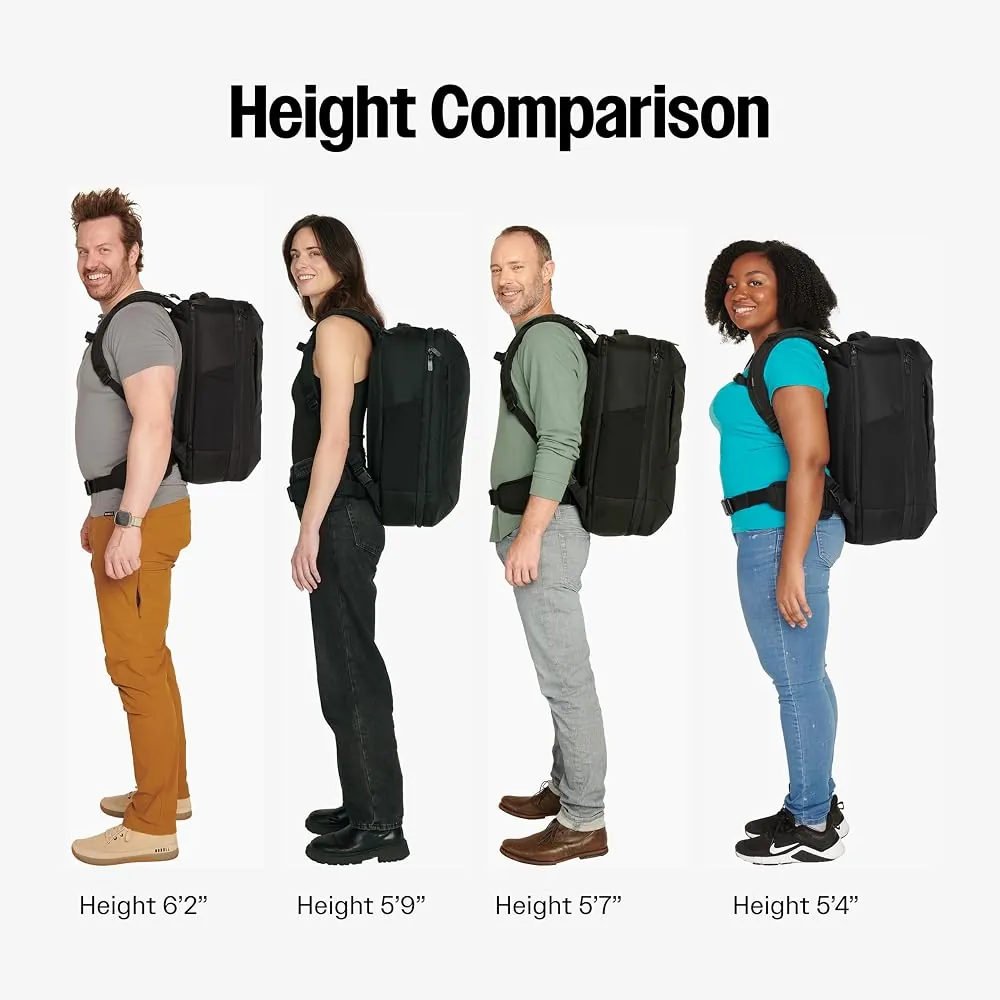
When choosing a 40L pack, look for features that make the transition through security seamless. A dedicated laptop sleeve is essential for quick access, as you’ll likely need to remove your computer at the checkpoint. Avoid excessive dangling straps or external clips that can get snagged on the rollers of the overhead bin.
Top Models To Consider
- Osprey Farpoint 40: Renowned for its comfortable harness system.
- Peak Design Travel Backpack: Offers modular organization and sleek aesthetics.
- Cotopaxi Allpa 42L: Features suitcase-style opening for easy packing.
- Aer Travel Pack 3: Known for durable materials and professional appearance.
Dealing With Gate Check Risks
Warning: If the flight is full, gate agents may force you to check your bag at the last minute if the overhead bins are already at capacity. To mitigate this risk, always board during your assigned group and have a small, packable tote bag ready. If you’re forced to check your 40L pack, ensure your essential valuables and lithium batteries are removed, as these are prohibited in the cargo hold.
Managing Liquid Restrictions
Even if your bag size is perfect, your contents must follow strict safety rules. You’re generally limited to liquids in containers of 3.4 ounces (100 milliliters) or less, all fitting into a single quart-sized clear plastic bag. This is a common point of friction for 40L travelers who try to pack full-sized toiletries. Using solid toiletry alternatives like shampoo bars and toothpaste tabs can save significant space and prevent security delays.
Strategies For Tight Connections
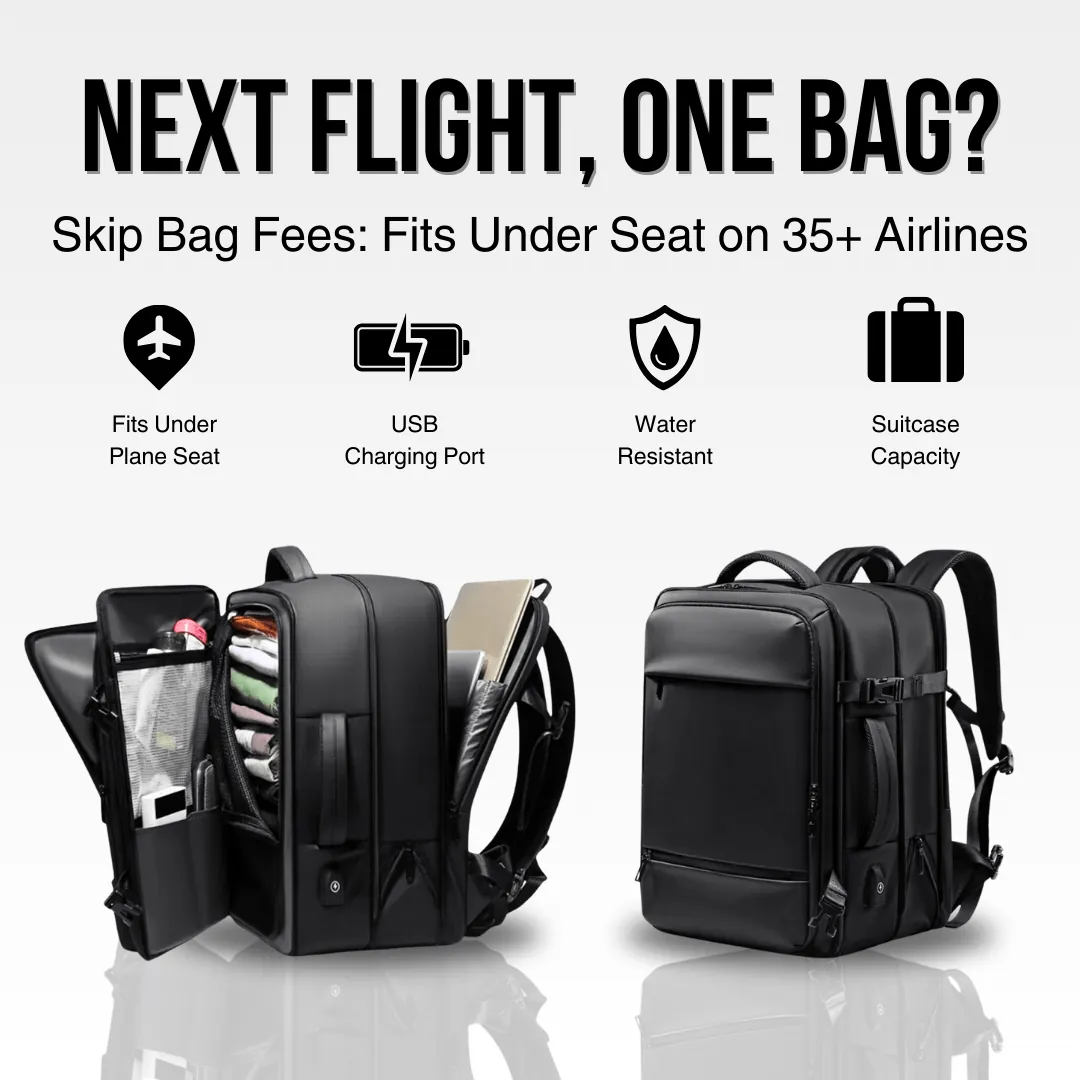
If you have a short layover, having your 40L pack with you is a massive advantage. You avoid the risk of lost luggage and the wait time at the baggage claim carousel. Keep your travel documents and boarding pass in a small, accessible pocket on the top of your bag. This allows you to navigate through busy terminals without having to open the main compartment or rummage through your gear.
Frequently Asked Questions
Will my 40L bag fit under the seat?
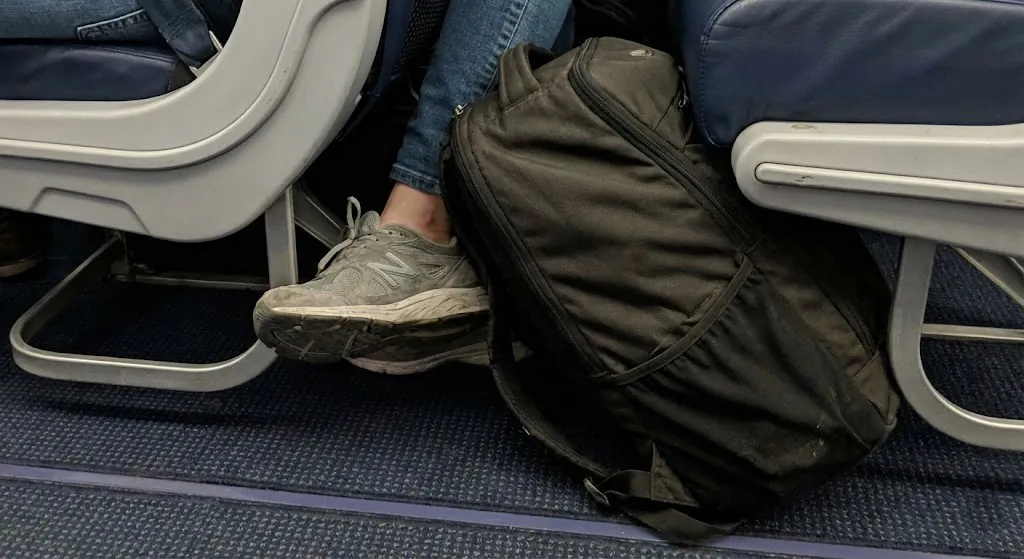
Most 40L packs are too tall to fit under the seat in front of you. While they fit comfortably in the overhead bin, placing them under the seat will likely obstruct your legroom significantly. If you need an under-seat bag, look for a dedicated 20L to 25L daypack instead.
Does weight matter for carry-ons?
Yes, some international airlines enforce strict weight limits, often between 15 and 22 pounds. Even if your bag meets the size requirements, a heavy pack can lead to extra fees. Always weigh your bag at home before leaving to avoid surprises at the check-in counter, especially when flying with budget carriers that scrutinize weight more closely than domestic US airlines.
Can I carry a personal item too?
Most airlines allow one carry-on and one personal item, such as a laptop bag or small purse. You can often carry your 40L pack as your primary carry-on and bring a smaller backpack or shoulder bag as your personal item. Ensure your personal item fits securely under the seat in front of you to comply with all cabin safety regulations.
What if my bag is slightly oversized?
If your bag is only an inch or two over, it will likely pass unnoticed by gate agents as long as it looks flexible. However, if your bag has a rigid frame that can’t be compressed, you risk being asked to pay a checked bag fee. If you’re worried, arrive early and try to fit your bag into the airline’s sizing bin at the check-in desk.
Conclusion
The best way to ensure your 40L backpack travels with you is to measure it while fully packed, then compare those dimensions against the specific website of your airline. By choosing a flexible, soft-sided bag and avoiding overstuffing the front pockets, you’ll minimize the risk of having to gate-check your luggage. Start your journey by verifying your airline’s current baggage policy today.