
Yes, you can absolutely bring a backpack and a carry-on bag onto almost any commercial flight, provided you adhere to the specific airline’s baggage policy regarding quantity and dimensions. Most carriers permit one standard carry-on suitcase and one personal item, such as a backpack, to be stowed in the cabin at no additional cost. This combination is the gold standard for savvy travelers looking to maximize their luggage allowance without needing to check bags at the terminal.
Key Takeaways
- Check your specific airline’s website for exact weight and dimension limits.
- Your personal item must fit comfortably under the seat in front of you.
- Keep essential electronics and medications in your backpack for easy access.
- Measure your bags while they’re fully packed to avoid gate-check fees.
- Prioritize soft-sided backpacks to ensure they fit in tight under-seat spaces.
Can You Have Backpack and Carry-on?
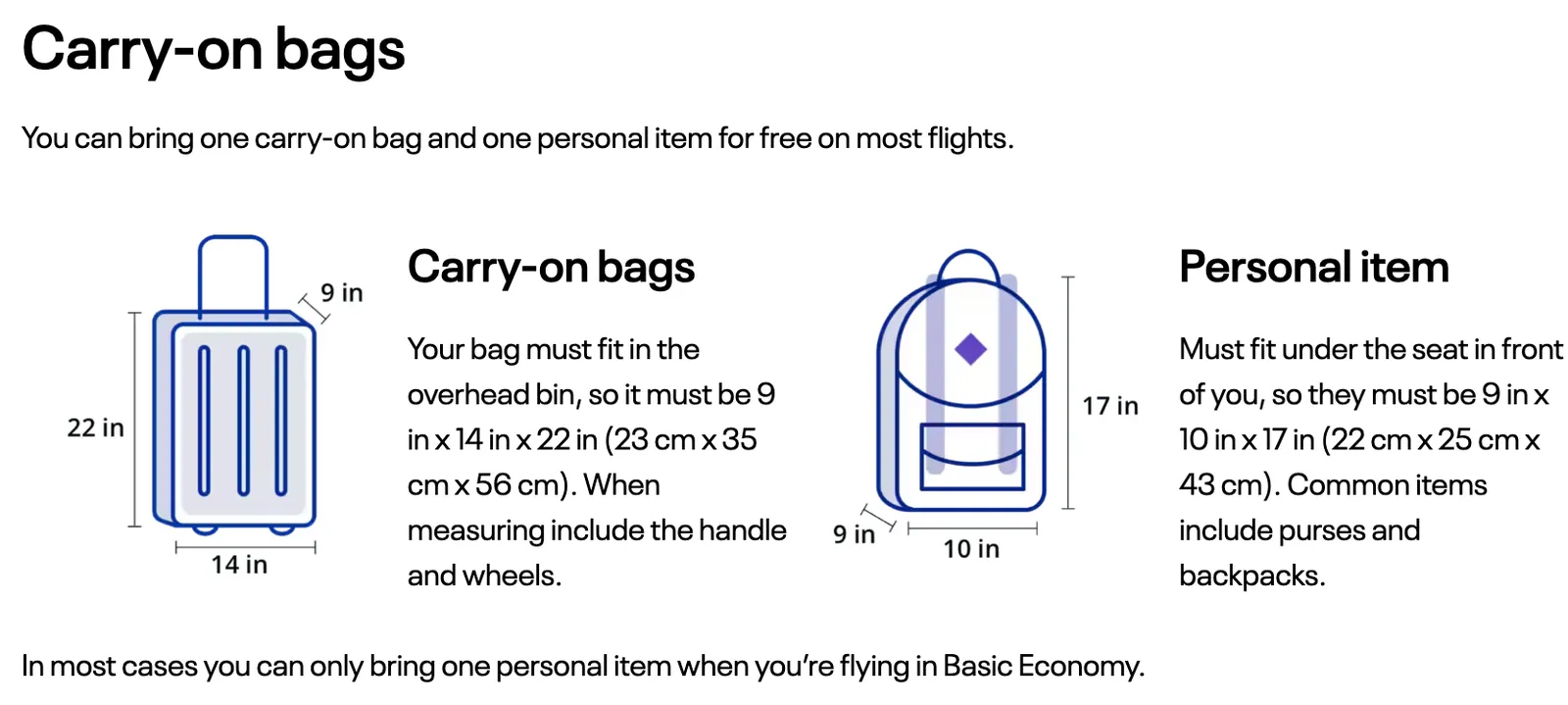
The short answer is yes, most airlines define your “carry-on” as the piece of luggage that goes into the overhead bin, and your “personal item” as the bag that slides under the seat. A backpack serves perfectly as your personal item. As long as your backpack doesn’t exceed the carrier’s size restrictions for under-seat storage, you’re well within your rights to carry both items through the security checkpoint and onto the plane.
Standard Size Requirements
| Item Type | Typical Dimensions | Weight Range |
|---|---|---|
| Personal Item | 17 x 10 x 9 inches | 10–20 lbs |
| Carry-on Suitcase | 22 x 14 x 9 inches | 15–35 lbs |
Why Two Bags Are Better
Carrying two bags allows you to organize your belongings by frequency of use. Your primary carry-on holds the bulk of your clothing and heavy gear, while your backpack acts as a travel command center. By keeping your laptop, passport, and snacks in your backpack, you avoid the frustration of digging through a suitcase in the middle of a crowded boarding area.
Managing Security Checkpoints
When you approach the Transportation Security Administration (TSA) scanners, you must be prepared to divest your items. TSA screening procedures require you to remove large electronics and liquids from your bags. Having a dedicated backpack makes this process significantly faster, as you can easily pull out your laptop and toiletry bag without unpacking your entire suitcase.
Maximizing Your Under-Seat Space
Pro Tip: Choose a backpack with a luggage pass-through strap so you can slide it over the handle of your rolling carry-on. This makes navigating through the airport terminal much easier, especially if you have a long walk to your gate.
Recommended Backpack Styles
- Osprey Daylite: Excellent for minimalists who need a lightweight option.
- Timbuk2 Authority: Features a structured design that protects laptops well.
- Aer Travel Pack: Specifically designed to fit under airline seats.
- Herschel Supply Co. Pop Quiz: A classic, durable choice for casual travel.
Rules for Budget Airlines
Budget carriers often have stricter policies regarding the total number of items allowed in the cabin. While major airlines might be lenient, low-cost carriers often charge high fees for any item that doesn’t fit the “personal item” dimensions. Always consult the United States Department of Transportation website to understand your rights regarding baggage disclosure and fee transparency before booking your flight.
Essential Packing Strategy
Organizing your gear effectively is the difference between a smooth boarding process and a stressful gate check. Place your heaviest items at the bottom of your backpack to keep the center of gravity low. If you’re traveling with a rolling suitcase, ensure it isn’t overstuffed, as it may become difficult to lift into the overhead bin if the flight is full.
Navigating Overhead Bin Etiquette
During boarding, overhead bin space is a shared resource. If your backpack is small enough to fit under the seat, please place it there so passengers with larger carry-on suitcases can utilize the limited overhead space. This simple act of courtesy helps speed up the boarding process and prevents the flight crew from having to gate-check bags at the last minute.
Troubleshooting Common Issues
If you find that your backpack is too bulky for the under-seat area, you may be forced to gate-check it. This is problematic if you have fragile items or lithium batteries inside. Always remove power banks, cameras, and delicate electronics before handing your bag over to the ground crew. To avoid this entirely, use a soft-sided backpack that can be compressed if necessary.
Frequently Asked Questions
Does a backpack count as my personal item?
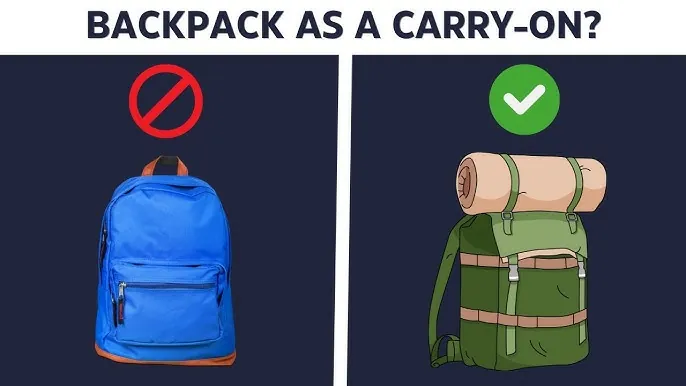
Yes, in almost every scenario, a standard backpack is classified as a personal item. It’s expected to fit underneath the seat in front of you. If your backpack is exceptionally large, such as a hiking rucksack, it may be treated as a carry-on, which would then prevent you from bringing a second suitcase into the cabin.
Can I bring a purse and a backpack?
Most airlines allow one personal item and one carry-on. If your purse is small enough to fit inside your backpack, it counts as one item. If you wear them separately, the airline may count them as two distinct items, which could exceed your allowance. It’s best to consolidate smaller bags into one primary backpack to avoid any issues at the gate.
What if my bag is slightly oversized?
If your bag exceeds the dimensions by an inch or two, you might get away with it, but you’re taking a risk. Gate agents have the authority to measure your luggage if it appears too large. If it doesn’t fit the sizer, you’ll likely be charged a fee to check the bag into the cargo hold, which is often much more expensive than a standard checked bag.
Do laptops count toward weight limits?
Laptops are generally considered part of your personal item’s weight. While many airlines don’t weigh personal items, they do have the right to do so. If you’re flying on a carrier with a strict weight limit, keep your laptop in your backpack but be aware that it adds significant heft. Always check the airline’s specific policy on total carry-on weight before you depart.
Should I pay for a carry-on?
If you’re flying on a basic economy ticket, you may not be allowed a carry-on suitcase. In these cases, you’re only permitted a personal item. Paying for a carry-on is worth it if you need extra space for clothing or toiletries that can’t fit in a small backpack. Evaluate your packing needs carefully before purchasing your ticket to avoid surprise fees at the airport.
Conclusion
To ensure a seamless travel experience, verify your airline’s current baggage dimensions on their official website exactly twenty-four hours before your departure. Policies can change seasonally, and being prepared with the most recent information will save you time and money. Pack your heaviest items in your carry-on and keep your essentials accessible in your backpack to enjoy a stress-free journey.