
Yes, you can absolutely bring both a backpack and a purse on a plane, provided they meet the specific baggage requirements established by your airline. Most carriers allow passengers to bring one carry-on bag and one personal item into the cabin at no extra cost. While policies vary, a standard backpack typically serves as your carry-on, while a purse functions as the smaller personal item that must fit beneath the seat in front of you.
Key Takeaways
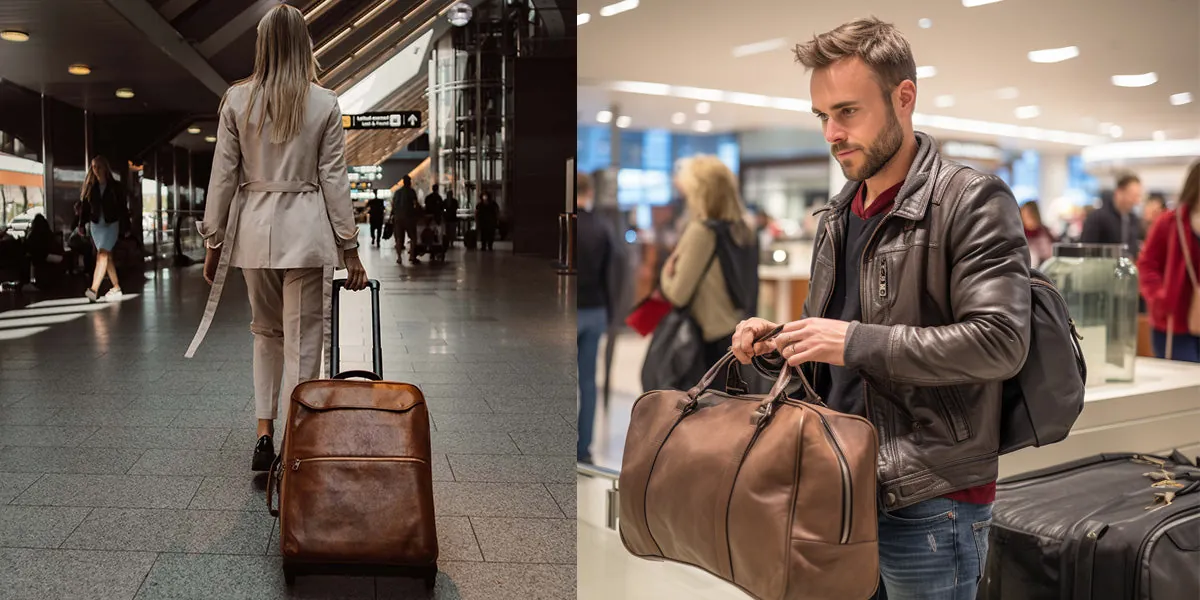
- Most airlines define a personal item as something that fits under the seat.
- Your carry-on bag is usually stowed in the overhead bin.
- Always check your airline’s specific size limits before arriving at the gate.
- Weight limits for carry-ons range from 15 to 40 pounds depending on the airline.
- Gate-checking a bag may incur fees if you exceed your total allowance.
Can You Bring a Backpack and Purse?
The short answer is yes, as long as the purse is treated as your “personal item” and the backpack is your “carry-on.” Airlines are generally indifferent to the specific type of bag you use, focusing instead on physical dimensions and weight.
If your backpack is small enough to fit under the seat, you might even be able to count it as your personal item, allowing you to bring a larger suitcase as your carry-on. However, attempting to bring two large bags that both require overhead space will usually result in a request to check one of them at the gate.
Understanding Airline Baggage Allowances
Most major carriers provide a standard allowance for economy passengers. Understanding these distinctions ensures you avoid surprise fees at the airport.
| Item Type | Standard Location | Typical Size Limit |
|---|---|---|
| Personal Item | Under seat | 18 x 14 x 8 inches |
| Carry-on Bag | Overhead bin | 22 x 14 x 9 inches |
How to Pack Efficiently
To maximize your space, place your heaviest items in the backpack and keep your essentials, such as your passport, wallet, and phone, in your purse. This allows for quick access at security checkpoints. Utilize packing cubes to compress your clothing, which helps keep your backpack organized and prevents it from bulging, which could make it appear larger than the permitted dimensions.
Preventing Gate Check Fees
If the flight is full, gate agents may ask passengers to check their carry-on bags for free. However, if you’re flying on a budget carrier, they might enforce strict size limits. According to the U.S. Department of Transportation airline carry-on size policies, airlines are required to disclose their baggage fees clearly, so always review the fine print on your booking confirmation to avoid unexpected charges for extra items.
Selecting the Right Bags
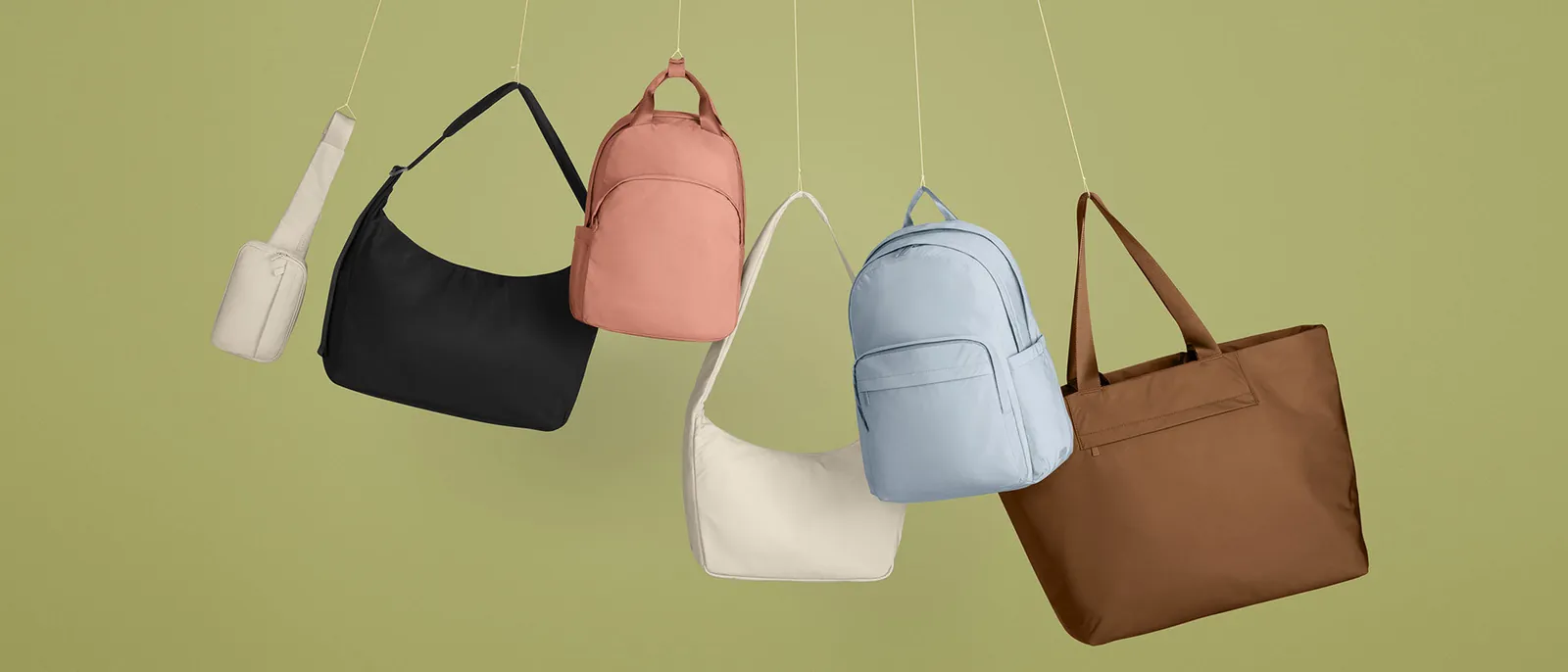
When choosing your travel gear, look for items that are durable, lightweight, and versatile. Brands like Osprey, Timbuk2, and Longchamp offer products specifically designed for travelers.
- Backpacks: Look for laptop sleeves and ergonomic straps.
- Purses: Choose cross-body styles with secure zippers for safety.
- Totes: Consider foldable options that can expand if needed.
Managing Security Screening
At the security checkpoint, you’ll need to place both your backpack and your purse into the bins for X-ray scanning. To speed up the process, ensure your liquids are in a clear, quart-sized bag and that your laptop is easily accessible. If you’re wearing a heavy coat, remove it and place it in a separate bin. Keeping your items organized prevents the need for manual bag searches by Transportation Security Administration agents.
Is Your Backpack Too Large?
If your backpack exceeds the dimensions for a carry-on, you may be forced to check it as luggage. Check your airline’s website for their specific overhead bin size limits. If you find that your backpack is slightly too large, consider removing a few items and putting them into your purse or wearing them, such as a heavy jacket or boots, to reduce the overall bulk of the bag.
Traveling with Budget Airlines
Budget carriers often have more restrictive policies than legacy airlines. While a legacy carrier might allow a backpack and a purse, a budget airline may charge a fee for any item that doesn’t fit into a single small personal item category. Always verify if your ticket includes a carry-on or if you’re restricted to a single personal item, as this significantly changes how you should pack your gear.
Stowing Your Items Properly
Once you board, place your backpack in the overhead bin above your seat. Your purse should go under the seat in front of you. This arrangement ensures you have your essential travel documents and medications within reach throughout the flight. If you’re in an exit row, remember that you can’t keep any items under the seat in front of you during takeoff and landing, so everything must go into the overhead bin.
Pro Tip: Using Packing Cubes
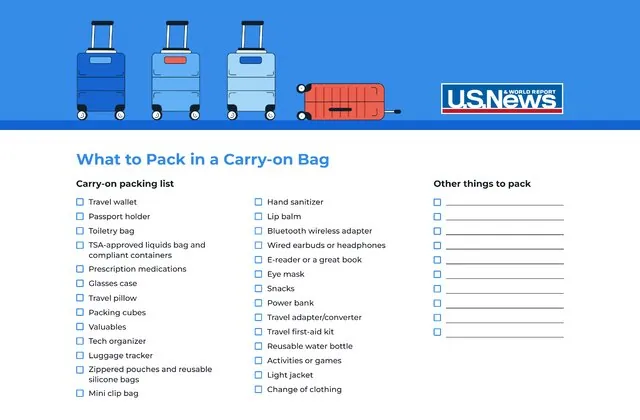
Warning: Avoid overstuffing your bags, as zippers may fail under pressure. Using internal compression packing cubes allows you to fit more items into a smaller space without exceeding the physical size limits of your backpack. This is especially useful when switching between different airlines with varying carry-on dimensions, as it keeps your belongings organized and compact, making it easier to fit your bag into the airline’s sizing sizer if requested at the gate.
Frequently Asked Questions
Does a purse count as a carry-on?
Generally, no. Most airlines categorize a purse as a “personal item,” which is distinct from a carry-on bag. A personal item must be small enough to fit completely underneath the seat in front of you. As long as your purse meets these size requirements, you can carry it in addition to your primary carry-on backpack without any issues.
Can I bring a backpack and a carry-on suitcase?
Yes, most airlines permit one carry-on bag and one personal item. If your backpack is your primary bag, you can bring it as a carry-on. If you also have a rolling suitcase, that would be your carry-on, and the backpack would need to serve as your personal item. Ensure the backpack fits under the seat if you’re using it as your second item.
What happens if my bag is too big?
If your bag exceeds the airline’s size or weight limits, you’ll likely be required to check it into the cargo hold. Depending on your ticket class and airline, this can result in a significant fee. Always measure your bags before heading to the airport to ensure they align with the requirements listed on your boarding pass or the airline’s official website.
Can I carry my purse inside my backpack?
Yes, you can pack your purse inside your backpack while walking through the terminal or security. Once you board the aircraft, you can take your purse out to keep it under your seat. This is a common strategy for travelers who want to consolidate their belongings into one manageable item while moving through the airport.
Conclusion
Before you head to the airport, double-check your airline’s specific baggage dimensions online to ensure your backpack and purse comply with their latest rules. Taking five minutes to verify these details now will save you stress and potential fees at the gate. Pack your essentials in your purse and keep your boarding pass ready for a smooth, efficient travel experience.