
Yes, you can bring a carry on suitcase and a backpack on almost all major airlines. Most carriers allow one standard carry-on bag and one smaller personal item that fits under the seat in front of you. Always check your specific airline’s baggage policy before you reach the airport.
Can you bring a suitcase and backpack
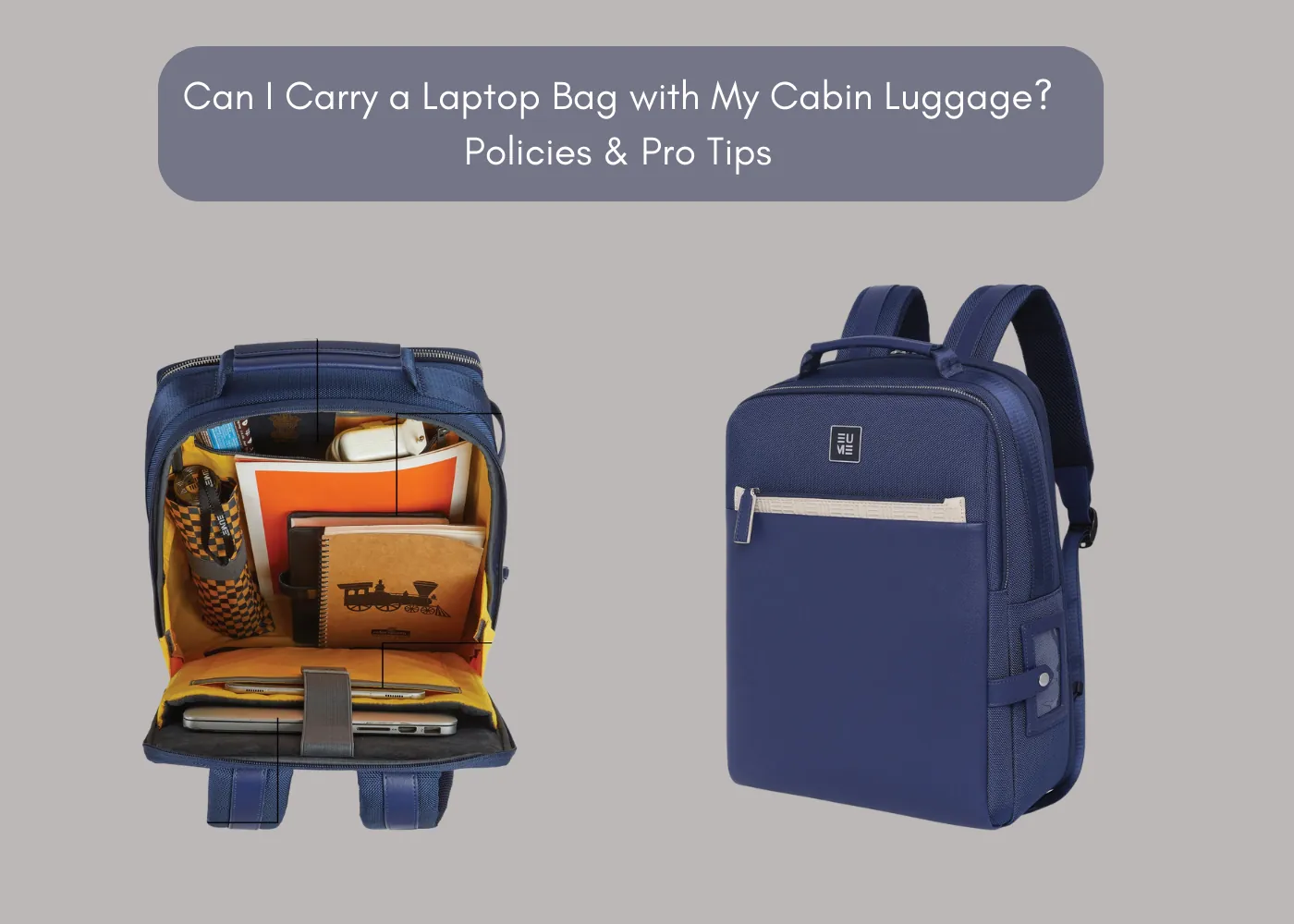
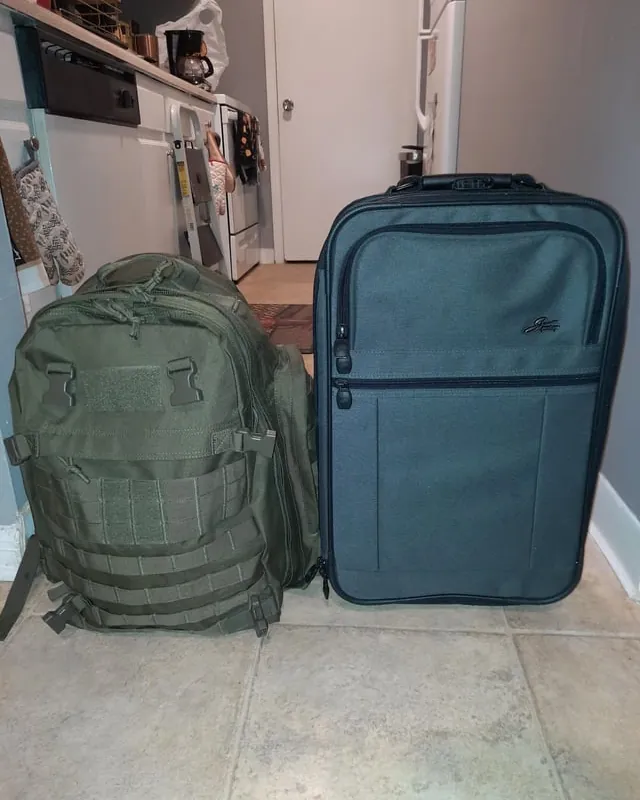
Most airlines allow two items for free, but the size limits vary by carrier. You must ensure your items fit within the dimensions provided by the airline to avoid extra fees at the gate.
| Airline | Personal Item Max | Carry-on Max |
|---|---|---|
| American Airlines | 18x14x8 inches | 22x14x9 inches |
| Delta Air Lines | 17x13x10 inches | 22x14x9 inches |
| United Airlines | 17x10x9 inches | 22x14x9 inches |
| Southwest Airlines | 16x13x8 inches | 24x16x10 inches |
| JetBlue | 17x13x8 inches | 22x14x9 inches |
What decides your baggage allowance
The primary rule is that your personal item must fit entirely underneath the seat in front of you. This is usually a backpack, purse, or laptop bag. Your carry-on suitcase is intended for the overhead bin. If the flight is full, the airline may require you to check your carry-on suitcase at the gate for free. This happens because overhead storage space is limited and fills up quickly on busy flights.
If your bag is too large, the airline will force you to check it into the cargo hold. This often results in a checked baggage fee. If your backpack fits under the seat, you can keep it there; if it’s too large, it must go in the overhead bin.
How to pack for two bags
Photo: arcaofficial.com on Google
- Measure your items: Use a tape measure to check that your suitcase and backpack meet the TSA carry-on baggage guidelines for your specific flight.
- Pack the heavy items: Put your heaviest items in your suitcase so you can easily maneuver your backpack through the terminal.
- Keep essentials close: Place your passport, phone, and medication in your backpack so they remain accessible during the flight.
- Organize for security: Ensure your liquids and electronics are easy to reach in your backpack for the security screening process.
- Check weight limits: Some international airlines have strict weight limits for carry-on bags, often capped at 15 to 22 pounds per bag.
The mistake people make
The most common mistake is assuming that “carry-on” means any bag you carry. People often bring a backpack that’s too large to fit under the seat, which forces them to compete for overhead bin space. This costs them time during boarding and can lead to a gate-check fee if the bins are full.
Always check your airline’s specific website for the exact dimensions of a “personal item.” If your bag exceeds these numbers, you must treat it as a second carry-on, which some budget airlines don’t allow for free.
When to stop and get help
Your bags exceed the weight or size limits stated on your ticket, which may require you to pay for checked baggage. If your scale shows you’re over the limit by more than two pounds, pay the fee online before arriving at the airport to save up to 40% compared to gate pricing.
You’re traveling with restricted items that require special permits, as these must be declared to security staff. Failure to disclose these items often results in the immediate confiscation of your property.
You have a medical device that needs pre-approval, which requires contacting the airline’s special assistance desk at least 48 hours before departure.
The airline staff flags your bag at the gate. If they ask you to check it, comply immediately. Arguing only delays your boarding and risks your seat being reassigned to a standby passenger.
Frequently asked questions
Can I bring a backpack and a carry on suitcase on budget airlines?
Yes, but many budget airlines charge extra for a carry-on suitcase while allowing only one small personal item for free. Always check your specific booking details to see if you paid for a carry-on.
Is my backpack considered a personal item?
Yes, if your backpack fits within the airline’s dimensions for a personal item, it counts as your second allowed bag. Most airlines define this as a bag that fits under the seat in front of you.
What happens if my carry-on is too heavy?
If your bag exceeds the weight limit, the airline staff may require you to check the bag into the cargo hold. This often involves paying a checked baggage fee at the airport gate.
Do laptops count as an extra bag?
No, a laptop bag is usually considered your personal item. You can typically carry it alongside your carry-on suitcase as long as it fits within the size requirements for a personal item.
How do I know if my bags are the right size?
You can find the exact dimensions for your airline on your booking confirmation or the carrier’s official website. If you’re unsure, use the sizing bins located near the check-in counters.
Can I bring a purse and a carry-on suitcase?
Yes, a purse is typically treated as your personal item. You can bring it along with your carry-on suitcase provided both items stay within the airline’s size and weight limits for your fare class.
Conclusion
Start by measuring your backpack and suitcase against the dimensions listed on your airline’s website. If both bags fit these limits, you can bring them both to the gate. If you notice your bag is clearly oversized, check it at the counter early to avoid gate fees.
Related guides