
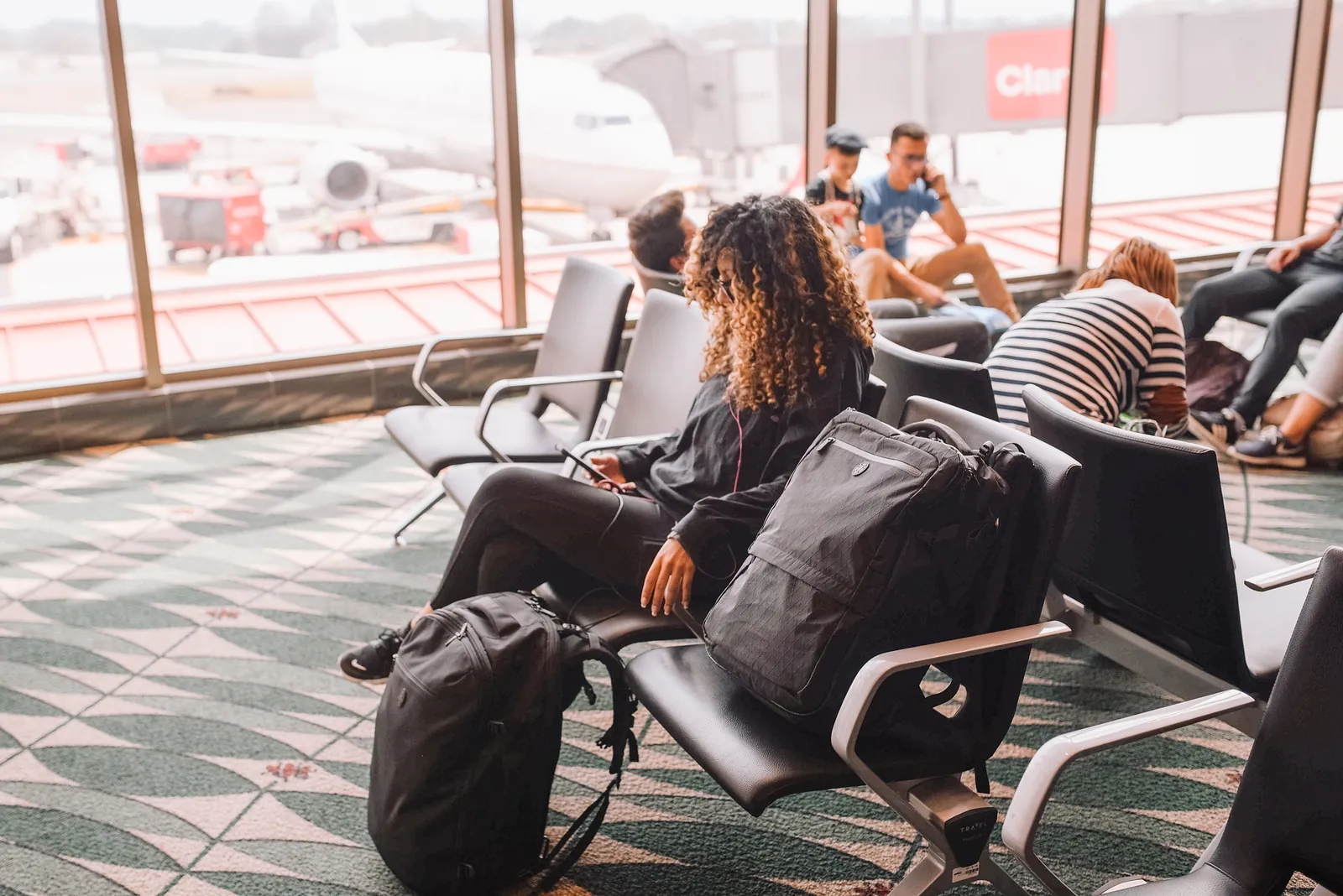
Yes, you can absolutely bring both a carry-on bag and a backpack onto a flight, provided your chosen airline permits two personal items or one carry-on plus one personal item. Most major carriers allow passengers to stow one larger piece of luggage in the overhead bin and a smaller, secondary bag under the seat in front of them. This combination is a standard practice for travelers looking to maximize their allotted baggage allowance without incurring extra fees.
Key Takeaways
- Check your airline’s specific baggage policy before arriving at the airport to avoid surprise gate-check fees.
- Your backpack must typically fit under the seat in front of you to count as a personal item.
- Measure your carry-on bag to ensure it meets the standard 22″ x 14″ x 9″ dimensions.
- Wear your heaviest items, like coats or boots, to save weight and space in your bags.
- Prioritize placing essential items like medication, electronics, and travel documents in your backpack.
Can You Have A Carry On Bag And A Backpack?
The short answer is yes, most airlines consider a backpack your “personal item” and your rolling suitcase your “carry-on bag.” While the carry-on goes into the overhead locker, the backpack must remain accessible at your feet. This setup is ideal for keeping your essential travel documents and electronics within arm’s reach during the flight. Always verify the weight limits, which usually range between 15 and 35 pounds depending on the carrier and ticket class.
Understanding Airline Baggage Classifications
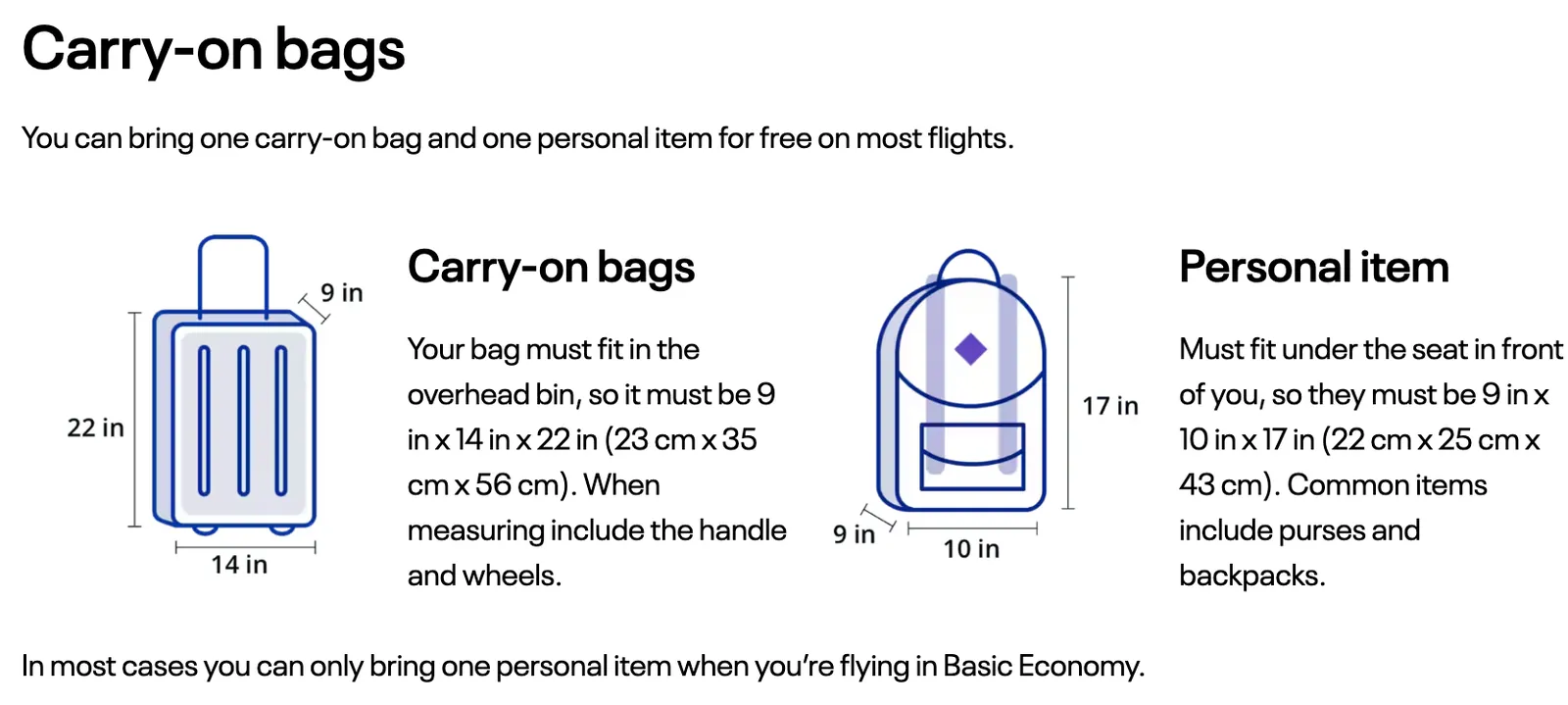
Airlines distinguish between two primary types of cabin luggage. A carry-on is generally the larger bag intended for the overhead bin, while a personal item is a smaller bag that must fit under the seat. If you attempt to bring two large bags, the gate agent may force you to check the larger one, often for a significant fee. Consult the Transportation Security Administration carry-on guidelines to ensure your items are permitted through the security checkpoint.
| Item Type | Standard Placement | General Size Limit |
|---|---|---|
| Carry-on Bag | Overhead Bin | 22″ x 14″ x 9″ |
| Personal Item | Under Seat | 18″ x 14″ x 8″ |
Planning Your Packing Strategy
To manage two bags effectively, organize your items by frequency of use. Keep items you need during the flight in your backpack, such as headphones, snacks, and a portable charger. Store clothes and toiletries in your carry-on suitcase. Using compression packing cubes inside your carry-on can help you organize your belongings, making it easier to retrieve items without unfolding everything. This strategy keeps you mobile and organized while navigating busy terminals.
Choosing The Right Gear
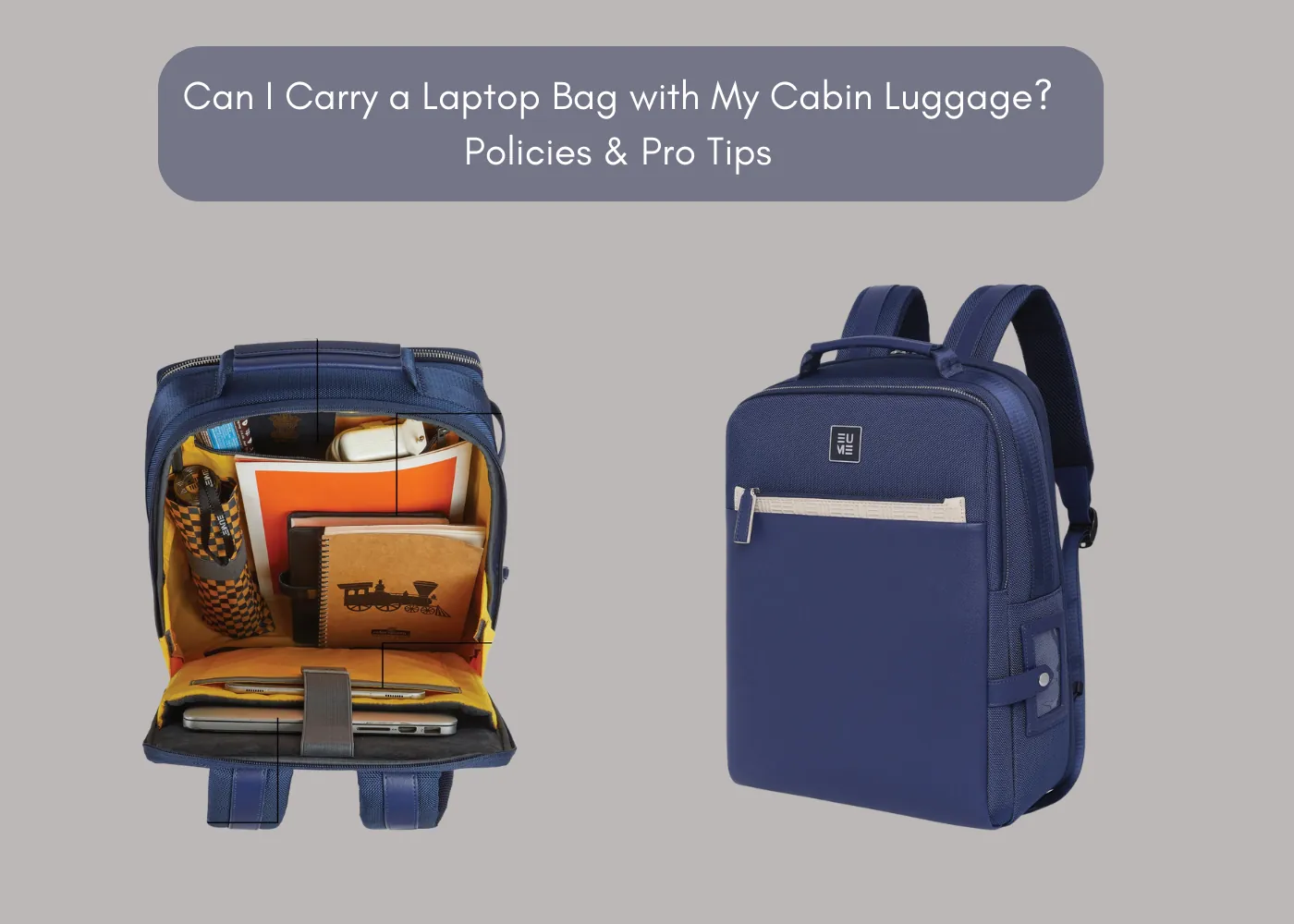
Selecting the right bags makes the transition through security much smoother. Look for backpacks with a dedicated laptop compartment and luggage pass-through sleeves that attach to your suitcase handle. For carry-ons, hardshell models provide better protection for fragile items, while soft-shell bags offer more flexibility when fitting into tight overhead bins. Stick to reputable brands like Samsonite, Osprey, or Away to ensure your bags meet standard airline size constraints.
Managing Your Weight Limits
Even if you have two bags, you must stay under the total weight limit for your ticket. Airlines are increasingly strict about weight, especially on international flights. Distribute the weight evenly between your two bags to ensure you can lift them comfortably into the overhead bin or carry them through the terminal. If one bag feels significantly heavier, move items to the other to avoid potential weight-related surcharges at the check-in counter.
How To Navigate Security Efficiently
Security checkpoints are the most stressful part of traveling with multiple bags. Have your electronics and liquids easily accessible in your backpack so you can pull them out quickly. Wear slip-on shoes and avoid excessive jewelry to speed up the process. If you have a TSA PreCheck membership, you can often keep your shoes on and your laptop in your bag, which makes managing two pieces of luggage much more manageable when moving through the scanners.
| Step | Action | Benefit |
|---|---|---|
| 1 | Organize tech | Faster screening |
| 2 | Use cubes | Better space usage |
| 3 | Check dimensions | Avoid gate checks |
| 4 | Wear layers | Save bag space |
Troubleshooting Common Luggage Issues
If you find yourself at the gate with bags that are slightly oversized, try to consolidate. You might be able to fit your smaller backpack inside your carry-on temporarily while boarding to satisfy the “one bag” rule if the flight is particularly full.
If your carry-on is too heavy, consider wearing a heavy jacket or sweater to reduce the weight of your luggage. Pro Tip: Always keep a collapsible duffel bag in your carry-on just in case you need to separate items at the last minute.
Comparing Airline Policies
Every airline has unique rules regarding bag dimensions and counts. Budget carriers like Spirit or Frontier often charge extra for carry-on bags, even if they allow a personal item for free. Always check your specific booking confirmation to understand your baggage allowance status. Legacy carriers like Delta or United are generally more lenient but still have specific size restrictions that you must follow to avoid being charged at the gate.
Frequently Asked Questions
Does a laptop bag count as a personal item?
Yes, most airlines consider a laptop bag to be your personal item. If you’re already bringing a backpack, you may need to place your laptop inside the backpack to avoid exceeding your bag count. Always ensure your combined items fit the dimensions allowed for a single personal item under the seat.
What happens if my carry-on is too big?
If your carry-on exceeds the dimensions for your airline, you’ll likely be required to gate-check the bag. Depending on your ticket type and airline policy, this can result in a significant fee. It’s always better to measure your bags at home before you leave for the airport to avoid these unexpected costs.
Can I bring a purse and a backpack?
Most airlines allow one carry-on and one personal item. If your purse is small, you can often place it inside your backpack to count as one item. If the purse is large, it may be counted as your personal item, meaning you would have to choose between the purse and the backpack.
Is there a weight limit for my backpack?
While airlines often focus on size for personal items, there’s usually a total weight limit for all carry-on items combined. This typically ranges from 15 to 35 pounds. If your backpack is exceptionally heavy, the gate agent may weigh it alongside your carry-on bag to ensure it adheres to the safety limits of the aircraft overhead bins.
Do I have to pay for a carry-on?
Whether you pay for a carry-on depends on your airline and ticket class. Basic economy tickets often don’t include a free carry-on bag and may charge a fee if you bring one to the gate. Always check the specific terms of your fare class on the airline’s website before you arrive at the airport.
Conclusion
Before you head to the airport, double-check your airline’s mobile app for the most current baggage policies, as these can change based on the specific aircraft and route. Print your boarding passes or save them to your digital wallet to streamline your experience. By preparing your bags and confirming your allowances, you ensure a smooth, stress-free start to your upcoming journey.