
Yes, you can take a carry on suitcase and a backpack on almost every major airline. This is true as long as you meet the weight and size limits set for your specific ticket class. You should check your airline’s baggage policy page before you head to the airport.
Can you take both a suitcase and backpack
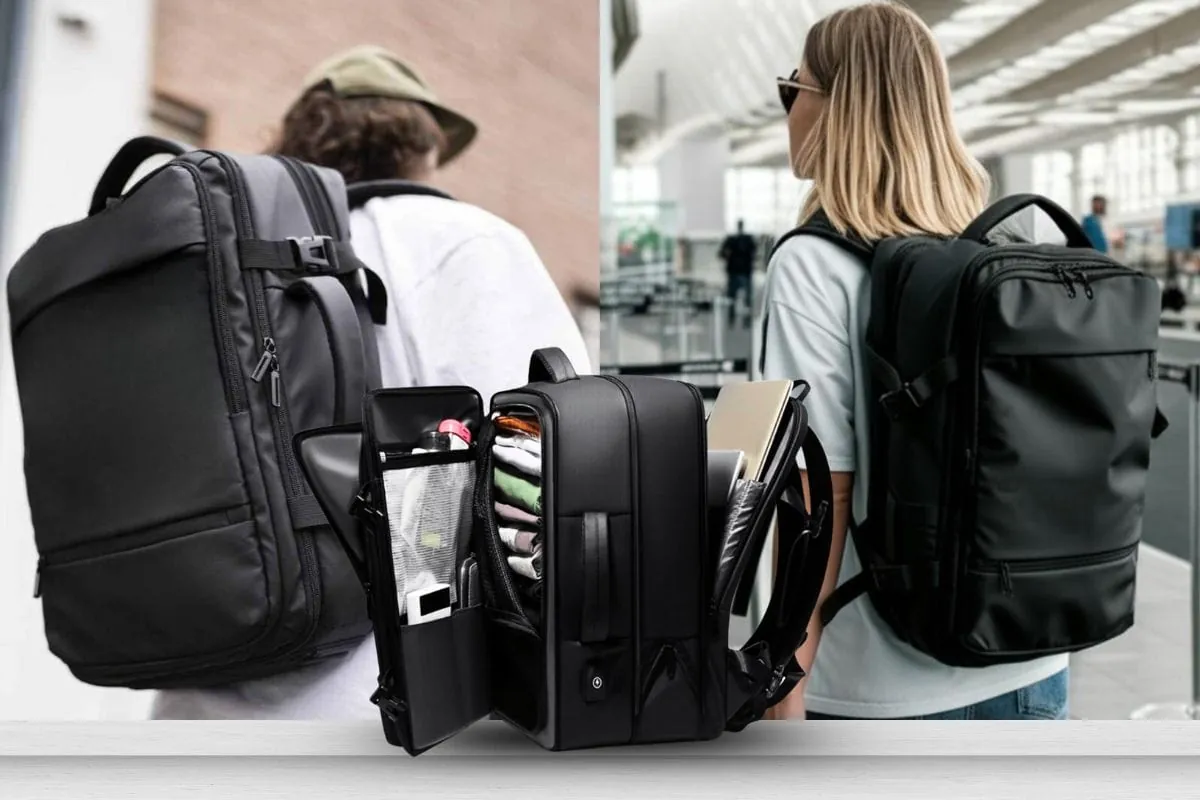
Most airlines allow one primary carry-on bag and one smaller personal item, such as a backpack. The personal item must fit under the seat in front of you, while the suitcase goes in the overhead bin.
| Airline type | Personal item size limit | Overhead bag limit |
|---|---|---|
| Major legacy carriers | 18 x 14 x 8 inches | 22 x 14 x 9 inches |
| Budget carriers | 16 x 12 x 7 inches | 22 x 14 x 9 inches |
| Regional partners | 16 x 12 x 7 inches | 20 x 14 x 8 inches |
| International long-haul | 17 x 13 x 9 inches | 22 x 16 x 10 inches |
| Ultra-low-cost carriers | 14 x 10 x 8 inches | Fee may apply |
The rules for cabin storage
The main factor deciding if you can bring both bags is the airline’s definition of a “personal item.” Most carriers define this as a bag that fits entirely under the seat in front of you. If your backpack is too large to fit there, the gate agent may force you to check it, which often incurs a high fee at the boarding gate. Weight is the secondary limit; while many US carriers don’t weigh carry-on bags, international airlines often have a strict limit of 15 to 22 pounds for the total weight of both items combined. You can find the exact weight limits for your flight by checking the Transportation Security Administration’s baggage guidelines. If your bags exceed these thresholds, the airline will require you to check them at the counter. If you have a light bag, you can keep it close; if your bag is heavy or large, you must check it early.
Packing your bags for the cabin
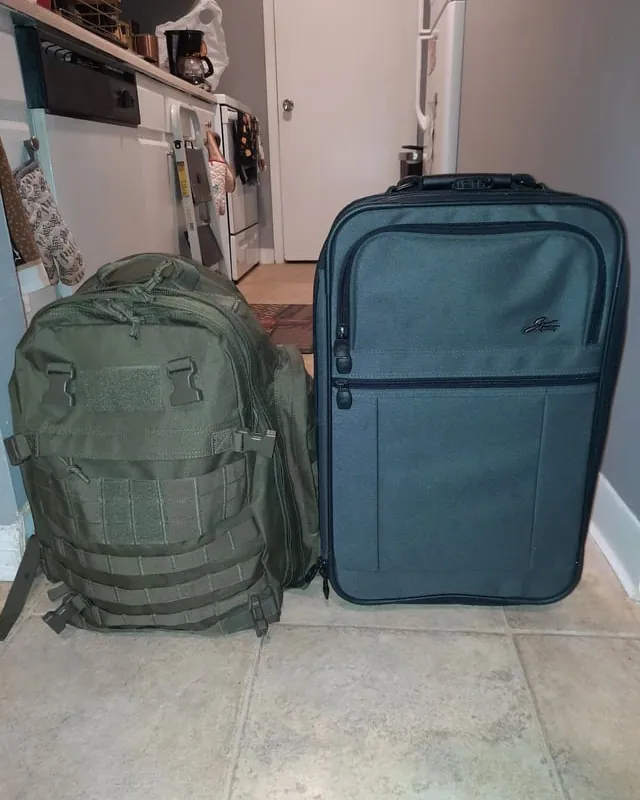
Follow these steps to ensure both your suitcase and backpack meet airline requirements:
- Measure your backpack dimensions while it’s fully packed to ensure it fits the personal item size limit of your specific airline.
- Check your suitcase wheels and handles as part of the total length, since most airlines include these in their mandatory size measurements.
- Pack heavy items in your suitcase rather than your backpack to ensure the backpack stays light enough to handle easily in the aisle.
- Verify the total weight of both bags combined if you’re flying with an international carrier that enforces weight limits.
- Keep your essential items like medication, travel documents, and electronics in your backpack so they remain with you if the overhead bins become full.
The common packing mistake
The most frequent mistake travelers make is overpacking their personal item so it no longer fits under the seat. This forces the bag into the overhead bin, taking up space meant for other passengers’ carry-on suitcases. This often leads to flight attendants forcing you to gate-check the bag, which costs time and money. You can avoid this by checking that your backpack still has at least two inches of “give” on all sides when packed. If the bag is stretched tight, it’s too big for the space under the seat and will likely cause issues during boarding.
When to seek help for baggage
You should contact the airline or visit the check-in desk if you face these situations:
- You’re flying on a small regional jet where overhead bin space is extremely limited.
- Your combined luggage weight exceeds the airline’s published limit for carry-on items.
- You’re carrying oversized medical equipment that requires advance clearance from the airline’s special assistance team.
If you have a disability or need extra assistance, you must notify the airline at least 48 hours before your flight to ensure they can accommodate your equipment.
Frequently asked questions
Can I carry a laptop bag and a backpack?
Yes, but most airlines count these as the same item. You’ll need to put your laptop bag inside your backpack or your carry-on suitcase to comply with the “one personal item” rule.
How much does it cost to check a bag at the gate?
The cost is generally inexpensive depending on the airline and your ticket type. You should check the airline’s fee schedule on their website to see the exact price for your route.
Is it safe to put my backpack in the overhead bin?
Yes, but it isn’t recommended if it can fit under the seat. Placing your backpack under the seat keeps your valuables secure and leaves overhead space for larger carry-on suitcases.
What happens if my backpack is slightly too big?
The gate agent may require you to check it if it doesn’t fit under the seat. This often results in a checked bag fee that’s higher than if you had paid for it online.
Does the weight limit apply to both bags?
Yes, most international airlines apply a combined weight limit to all items you bring into the cabin. You should check the official airline policy page for the specific weight limit allowed for your ticket.
Can I bring a duty-free bag as well?
Yes, most airlines allow a duty-free shopping bag in addition to your carry-on and personal item. You should confirm this with your specific airline, as some budget carriers count this as your personal item.
Conclusion
Start by measuring your backpack and suitcase against the requirements on your airline’s website. If both bags fit within these limits, you’re ready to head to the airport. If either bag exceeds the size or weight limits, you must check it at the counter to avoid gate fees.
Related guides