
Yes, you can absolutely bring a hiking backpack as a carry-on item, provided it meets the specific size and weight restrictions set by your airline. While hiking packs are designed for comfort on the trail, their frame structure and external attachments often present unique challenges in a pressurized cabin environment. Successfully navigating airport security with technical gear requires careful preparation regarding dimensions, internal contents, and the way you pack your bag to ensure it fits within the overhead bin or underneath the seat in front of you.
Key Takeaways
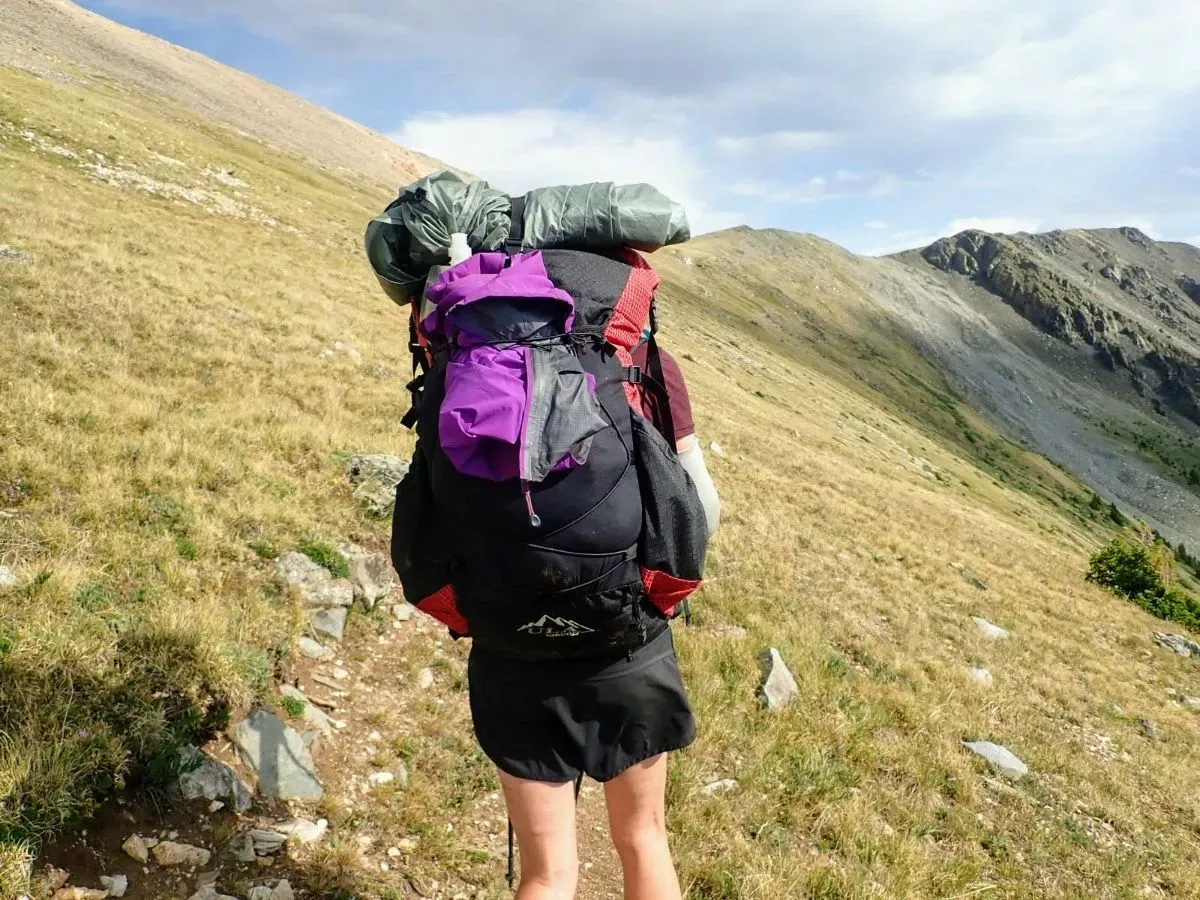
- Standard carry-on size limits typically range from 22 x 14 x 9 inches to 24 x 16 x 10 inches.
- Always remove trekking poles, knives, and multi-tools, as these are prohibited in cabin luggage.
- Use compression straps to shrink the pack’s profile, making it easier to fit into sizers.
- Check your specific airline’s website for the exact maximum weight allowance, which usually falls between 15 and 35 pounds.
- Pack your heaviest gear at the bottom if stowing under the seat, or at the top for overhead bin access.
Can You Carry on a Hiking Backpack?
Most airlines allow hiking backpacks as carry-on luggage if they fit within the airline’s official dimensions. The primary hurdle is the internal frame or rigid back panel found in many hiking bags. Unlike soft-sided duffels, a hiking pack can’t easily be squashed if it’s slightly over the size limit. If your pack has a tall frame, you must verify that the length of the bag, including the hip belt and lid, doesn’t exceed the carrier’s maximum height limit.
Standard Carry-on Size Comparisons
| Pack Type | Typical Height | Typical Width | Typical Depth |
|---|---|---|---|
| Daypack (20L) | 18–20 inches | 10–12 inches | 6–8 inches |
| Weekend Pack (40L) | 21–23 inches | 12–14 inches | 8–10 inches |
| Expedition Pack (60L+) | 25–30 inches | 14–16 inches | 10–12 inches |
Managing Prohibited Hiking Gear
You must strip your backpack of any items that violate TSA carry-on prohibited items policies before heading to the airport. Hiking gear often includes sharp objects that are strictly forbidden in the cabin. If you’re traveling with specialized equipment, you must either check the bag or mail these items to your destination ahead of time.
- Trekking poles: These must be checked.
- Knives/Multi-tools: Use a checked bag for these items.
- Fuel canisters: These are strictly prohibited in both carry-on and checked luggage.
- Ice axes: These items must be checked in your hold luggage.
How to Compress Your Pack
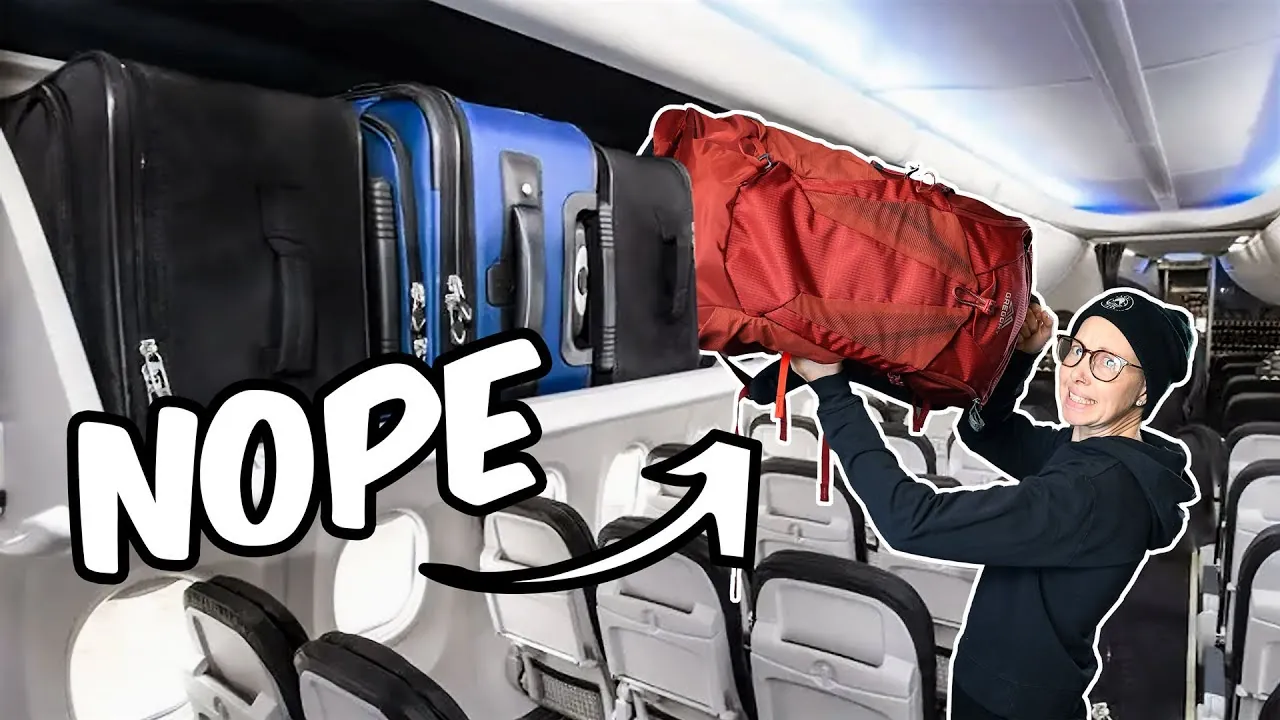
Pro Tip: Use the integrated compression straps on your hiking backpack to pull the fabric tight against the frame, which significantly reduces the bag’s depth. By cinching the side and front straps, you can often turn a bulky 45-liter pack into a slim profile that easily slides into a metal airline sizer. If your pack has a removable “brain” or top lid, detach it and place it inside the main compartment to save precious vertical space.
Weight Limits by Airline Tier
Airlines have varying policies regarding the weight of carry-on items. While many domestic carriers in the United States don’t weigh carry-on bags, international carriers and budget airlines often enforce strict limits to ensure safety and balance within the aircraft.
| Airline Type | Weight Allowance Range | Enforcement Level |
|---|---|---|
| Major Domestic | 20–40 lbs | Low |
| Budget Carriers | 15–22 lbs | High |
| International Flag | 15–25 lbs | Moderate |
Protecting Your Gear During Transit
Your hiking backpack is a piece of technical equipment, and the belt systems can get snagged on airport conveyor belts or overhead bin latches. If you’re forced to gate-check your bag, ensure that all loose straps are tucked away or buckled together to prevent them from catching on machinery. Many hikers use a lightweight pack cover or a large, heavy-duty trash bag to protect the exterior fabric from grease and abrasions during the boarding process.
Dealing With External Attachments
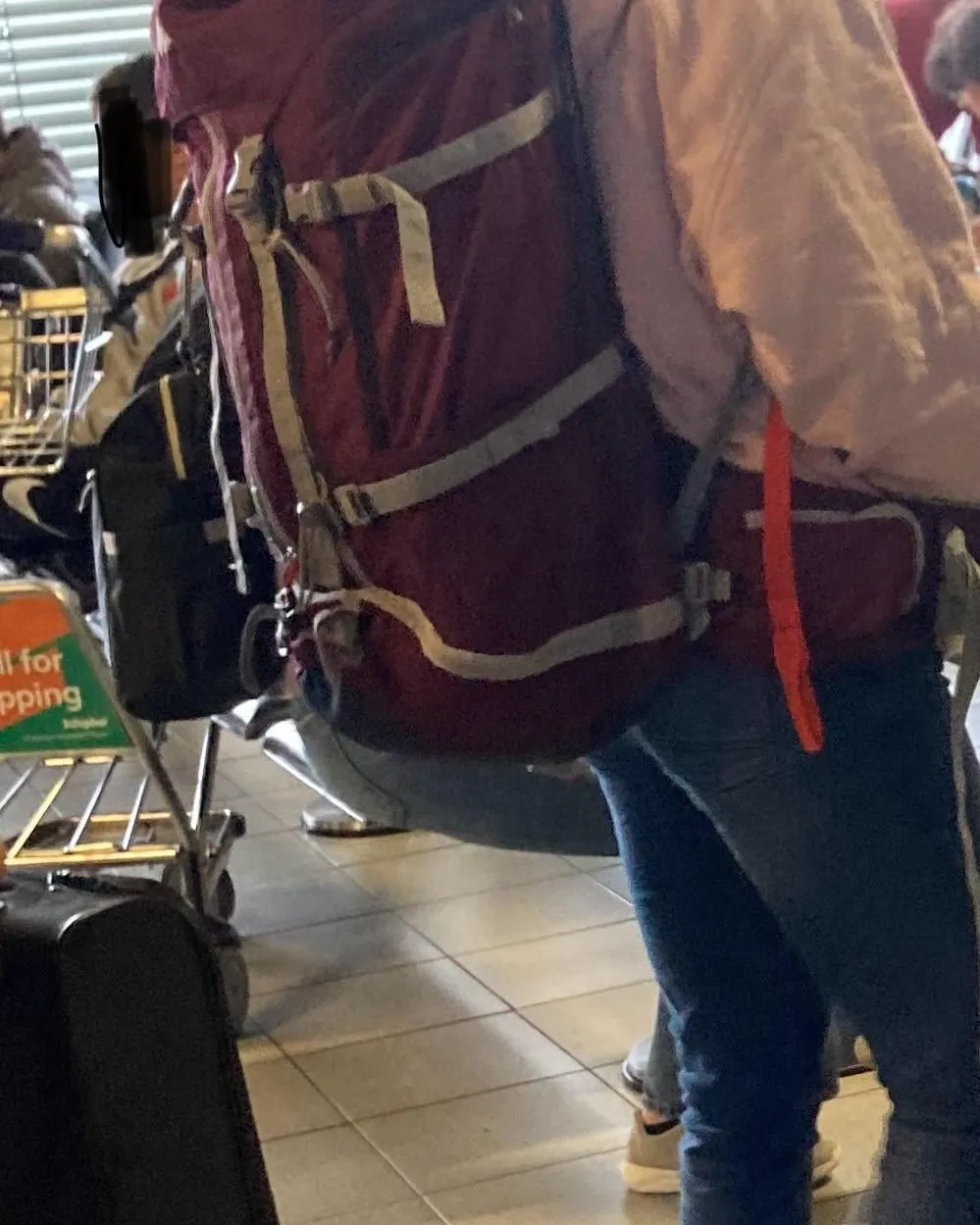
Hiking packs often feature daisy chains, ice axe loops, and side mesh pockets. These external features are notorious for catching on the overhead bin’s interior or the seatback mechanism. Before you reach the gate, ensure that no gear is dangling from the outside of your pack. Carabiners, water bottles, and foam pads should be stowed inside the main compartment to maintain a clean, snag-free exterior that conforms to the dimensions required for carry-on stowage.
Related guides
- Can You Bring a Hiking Backpack as a Carry On? Airline Rules
- Can a Hiking Backpack Be a Carry On? Size Limits Explained
Frequently Asked Questions
Will my 50-liter pack fit as carry-on?
Most 50-liter packs are too tall to meet standard carry-on requirements, which usually cap height at 22 inches. Unless your pack is specifically designed as a travel-hiking hybrid with a shorter frame, it will likely be too long for the overhead bin. Always measure the frame length from the bottom of the hip belt to the top of the lid before attempting to carry it on.
What if my pack is slightly oversized?
If your pack is only slightly over the dimensions, you may get away with it if the flight isn’t full. However, if the gate agent forces you to use the sizer, you’ll likely be required to check the bag at the gate for an additional fee. Be prepared to remove items to shrink the bag if you’re questioned at the boarding gate.
Should I wear my hiking boots?
Wearing your boots is a great way to save space and weight in your backpack. Hiking boots are often the heaviest and bulkiest items in your kit. By wearing them onto the plane, you keep your carry-on weight low and ensure your most expensive footwear doesn’t go missing if your bag is checked or lost during transit.
Can I bring my camping stove?
You can bring a camping stove in your carry-on, but it must be completely clean and free of any fuel residue. Because liquid fuel vapors are highly flammable, security agents may confiscate a stove if they smell even a faint trace of gasoline or white gas. It’s often safer to pack the stove in your checked luggage after thorough cleaning.
Are trekking poles allowed in checked bags?
Yes, trekking poles must be placed in your checked luggage. They’re categorized as sports equipment that could potentially be used as a weapon, making them ineligible for carry-on transit. When packing them, collapse them to their shortest length and secure them to the side of your pack or place them inside your duffel to prevent damage during handling.
Conclusion
Ensure your hiking backpack is fully prepared before leaving for the airport by verifying the specific dimensions allowed by your airline and removing all prohibited sharp tools. By cinching down your straps and wearing your heaviest gear, you can maximize your packing efficiency and avoid unexpected checked bag fees. Check your flight confirmation email for the most accurate and up-to-date baggage allowance details today.