
Yes, you can bring your gear on board, but only if the pack fits within the airline’s size limits. While it’s common for travelers to wonder if a hiking backpack can be a carry on, the answer depends entirely on the dimensions of your specific bag when it’s fully loaded.
Making your hiking backpack a carry on
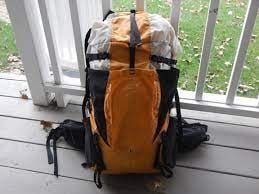
Whether your pack is allowed in the cabin depends on the airline’s specific size and weight policies. International carriers set strict limits to ensure bags fit in the overhead bin.
| Your situation | Answer | Why |
|---|---|---|
| Pack is under 22x14x9 inches | Yes | Fits standard overhead bins |
| Pack is over 25 inches tall | No | Too long for overhead space |
| Rigid internal frame is tall | No | Can’t be compressed to fit |
| Bag is mostly empty | Yes | Can be squashed to size |
| Heavy pack over 22 pounds | Maybe | Depends on specific airline weight |
| Pack has loose hanging straps | Yes | Secure them to avoid snags |
Why size matters at the gate
Airlines enforce size limits because overhead bin space is finite and shared among all passengers. Standard carry-on size is 22 x 14 x 9 inches. If your hiking pack has a rigid internal frame or a long torso length, it won’t bend to fit into the metal sizers used at the gate.
Check TSA carry-on guidelines for allowed items. If the frame is flexible, you can often push it into the sizer; if it’s rigid, you must measure the longest side before you arrive.
Packing for cabin travel
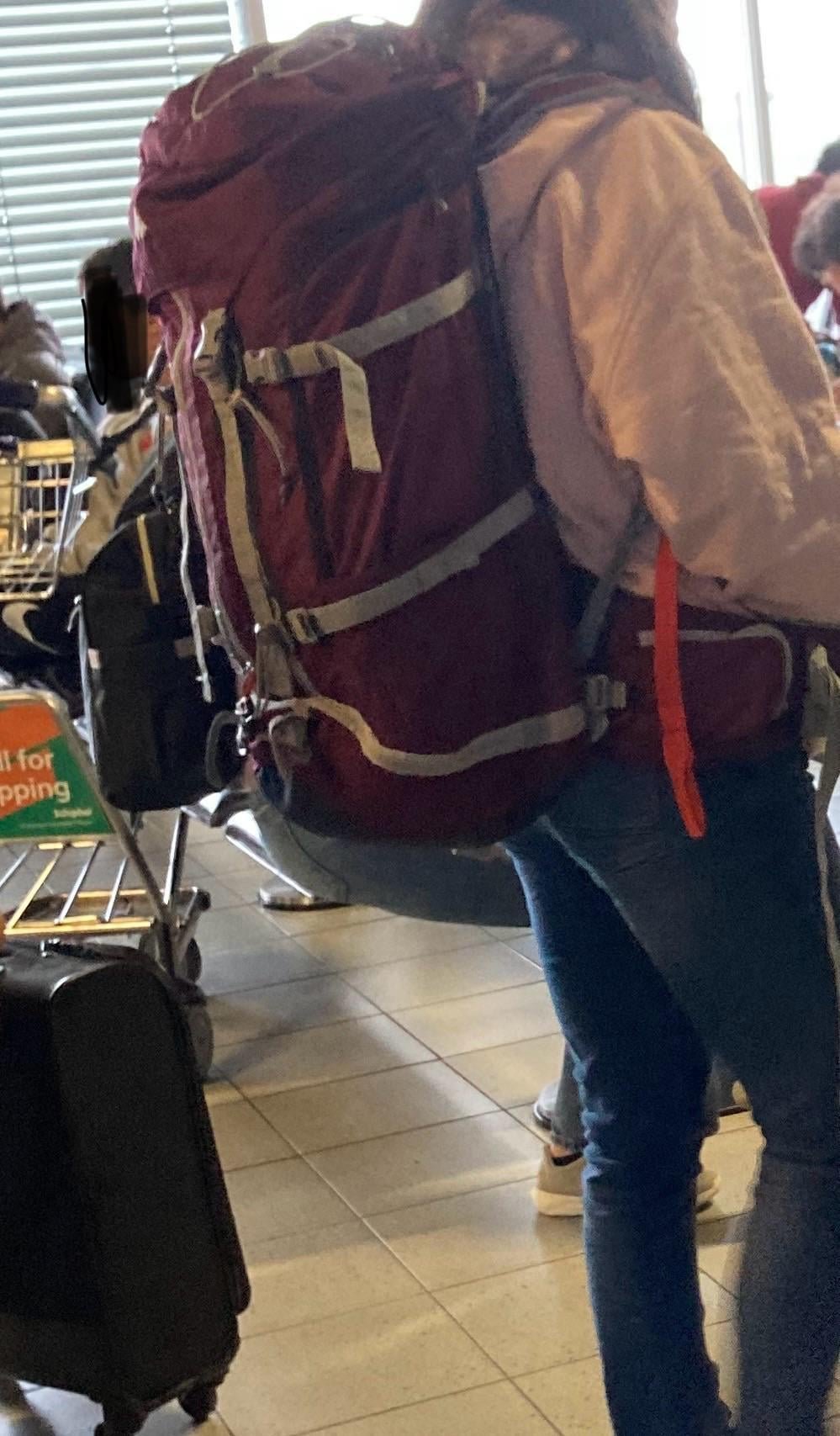
If you decide to take your pack, follow these steps to ensure it passes inspection:
- Empty the outer pockets: Remove all loose items, water bottles, and gear attached to the outside to keep the profile slim.
- Loosen the compression straps: Pull these tight to reduce the overall volume of the pack as much as possible.
- Measure the loaded frame: Use a tape measure to check the height, width, and depth of the pack while it’s fully packed.
- Remove heavy items: Place heavy gear like boots or books in a smaller personal item to lower the pack’s weight.
- Secure dangling webbing: Tuck all loose straps into the main compartment or tie them down so they don’t catch on airport equipment.
The mistake that costs travelers
The most common mistake is ignoring frame rigidity. Many assume soft packs will fit, but metal or plastic frames don’t shrink. Test your pack in a mock sizer at home before heading to the airport.
When to stop and get help
Some packs are too large for cabin travel. You should stop attempting to carry it on if:
- The pack frame is rigid and exceeds the airline’s height limit by more than 2 inches.
- Your gear includes prohibited items like large knives or trekking poles that must be checked.
- The total weight exceeds the airline’s limit for cabin baggage.
If you reach these limits, check the bag at the counter to avoid security delays.
Frequently asked questions
Can I bring trekking poles in my carry on?
No, trekking poles aren’t allowed in the cabin. You must check them in your luggage, as they’re considered potential weapons by security agencies.
How long can my hiking backpack be?
Most airlines allow a maximum height of 22 inches. You should check your specific airline’s website, as some budget carriers have smaller limits for carry-on luggage.
Is it safe to put a backpack in an overhead bin?
Yes, it’s safe as long as the bin can close fully. If the bin doesn’t latch, your bag is too large and must be checked at the gate.
What happens if my bag is too big?
You’ll be required to check the bag at the gate. This often incurs a fee, and you’ll need to retrieve the bag at baggage claim upon arrival.
Does it matter if my pack is full?
Yes, a full pack is harder to compress into a sizer. If you’re near the size limit, leave some space so you can push the bag into the bin.
How much weight can a carry on have?
Many airlines have a weight limit between 15 and 22 pounds. Check your airline’s policy, as some carriers don’t have a weight limit if you can lift the bag yourself.
Conclusion
Start by measuring your pack when it’s fully loaded to see if it fits the standard 22-inch height limit. If it fits, expect a smooth boarding process; if it’s too tall, plan to check it at the counter to avoid last-minute fees.