
Yes, you can absolutely bring a carry-on suitcase and a personal item like a backpack onto almost all commercial flights, provided both items fit within the specific airline’s size and weight requirements. Most major carriers distinguish between a “carry-on bag,” which is stowed in the overhead bin, and a “personal item,” which must fit entirely underneath the seat in front of you. By mastering these two allowances, you can maximize your packing capacity without paying for checked luggage.
Key Takeaways
Photo: marielarkin.uk on Google
- Always confirm the specific dimensions for carry-on and personal items on your airline’s website before heading to the airport.
- Your personal item must be small enough to fit completely under the seat in front of you.
- Overhead bin space is limited, so gate agents may require you to check your carry-on if the flight is full.
- Weight limits apply to carry-on bags on many international carriers, even if they fit the size requirements.
- Keep essential medications, travel documents, and electronics in your backpack to ensure they stay with you at all times.
Can I Bring A Carry-On Suitcase And A Backpack?
Yes, this combination is the standard travel setup for millions of passengers. The carry-on suitcase counts as your primary piece of cabin luggage, while the backpack serves as your personal item. As long as your backpack doesn’t exceed the dimensions of a small bag—typically around 18 x 14 x 8 inches—you’re generally permitted to bring both items into the cabin at no extra cost. Always check the TSA carry-on baggage guidelines to ensure your contents comply with federal safety regulations regarding liquids and prohibited items.
Understanding Size And Weight Constraints
Airlines enforce strict limits to ensure safety and cabin efficiency. While domestic flights in the United States are often lenient regarding weight, international carriers are frequently more stringent, sometimes imposing limits between 15 and 25 pounds for the total weight of carry-on items.
| Item Category | Typical Size (Inches) | Typical Placement |
|---|---|---|
| Carry-on Suitcase | 22 x 14 x 9 | Overhead Bin |
| Personal Item | 18 x 14 x 8 | Under Seat |
| Laptop Bag | 16 x 12 x 6 | Under Seat |
Selecting The Right Equipment
Choosing the right bags is essential for a stress-free experience. Look for suitcases with durable spinner wheels that can navigate airport terminals with ease. For your backpack, opt for a model with a dedicated laptop sleeve and ergonomic shoulder straps to keep you comfortable during long walks through the terminal or while waiting in the boarding area.
Managing Your Cabin Luggage
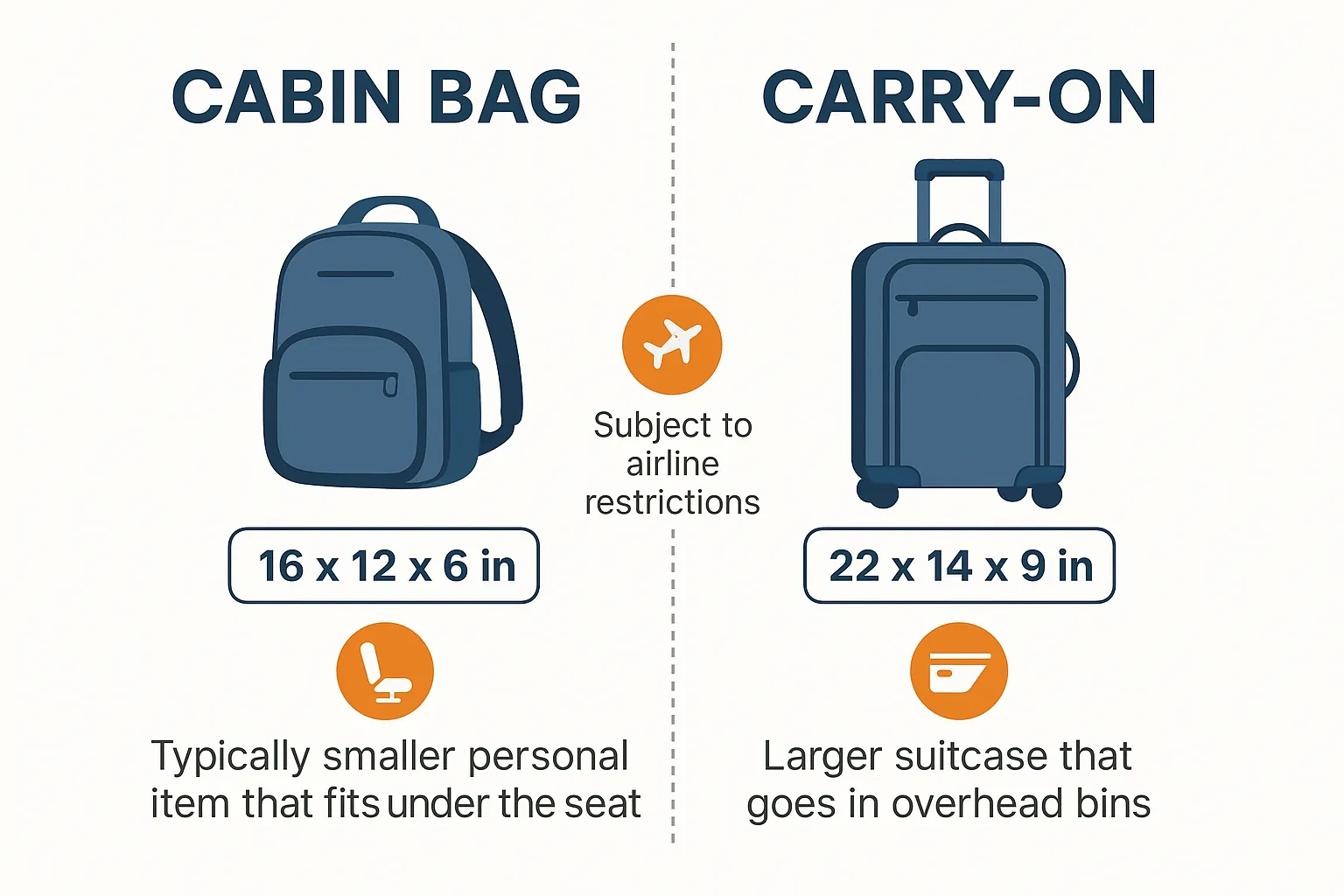
When packing, place your heavier items in the suitcase and keep your “must-haves” in the backpack. This ensures that if you’re forced to gate-check your suitcase, you still have your passport, phone, and chargers with you. Use packing cubes to compress your clothing and keep your suitcase organized, making it easier to pull out liquids or electronics at the security checkpoint.
Comparing Airline Policies
Not all airlines treat baggage the same way. Budget carriers may charge significantly higher fees for carry-on bags compared to legacy airlines. Always verify your specific ticket class, as “Basic Economy” fares on many airlines often restrict you to only a personal item, meaning you would have to pay extra to bring a carry-on suitcase.
| Airline Class | Carry-on Included? | Fee (Low to High) |
|---|---|---|
| Legacy Economy | Yes | $0 – $0 |
| Basic Economy | No | $30 – $70 |
| International | Yes | $0 – $50 |
Navigating Security Checkpoints
Efficiency at the security line is key to a smooth departure. Have your laptop and liquids bag easily accessible in the outer pockets of your backpack. Pro Tip: Wear your heaviest shoes and jacket through the security scanner to save space and weight in your suitcase, allowing you to stay well within the airline’s limits while keeping your most cumbersome items on your person.
Troubleshooting Common Luggage Issues
Photo: www.witzman.com on Google
If your suitcase is slightly too large, you might be asked to check it at the gate. This is common on smaller regional jets where overhead bin space is severely restricted. If this happens, ensure you have already removed your valuables and electronics from the suitcase. Warning: Never leave lithium-ion batteries in a bag that’s being gate-checked, as they must travel in the cabin for safety reasons.
Related guides
- Can I Carry on a Small Suitcase and a Backpack? Rules Explained
- Can I Bring a Backpack and a Carry On Suitcase? Rules Explained
- Can I Have a Carry On Suitcase and a Backpack on My Flight
Frequently Asked Questions
What happens if my backpack is too big?
If your backpack exceeds the dimensions of a personal item, the gate agent may force you to check it as luggage. This can result in significant baggage fees if you have already reached your carry-on limit. Always measure your bag before you leave home to ensure it fits comfortably under the seat.
Does a laptop bag count as a second item?
Yes, a laptop bag is usually considered your personal item. If you’re already carrying a backpack and a suitcase, a third bag like a laptop case will likely be rejected at the gate. You should pack your laptop inside your backpack to avoid having to pay for an additional carry-on item.
Are there weight limits for personal items?
While most airlines don’t weigh personal items, some international carriers have strict total weight limits for all cabin baggage combined. If you’re flying internationally, it’s wise to weigh both your backpack and suitcase together to ensure they don’t exceed the airline’s total allowance, which typically ranges from 15 to 30 pounds.
Can I bring a duty-free bag too?
Most airlines allow you to bring a small bag of duty-free items in addition to your carry-on and personal item. However, this policy varies by carrier. Check your specific airline’s contract of carriage to confirm if they permit an extra shopping bag, as some strict budget airlines count everything toward your total baggage allowance.
What if I have a medical device?
Medically necessary devices and assistive equipment are generally exempt from standard baggage limits on most major airlines. If you’re traveling with a CPAP machine or other medical equipment, contact the airline’s special assistance desk ahead of time to ensure you’re cleared to bring it as an additional piece of luggage without any extra cost.
To ensure your travel day remains stress-free, double-check your airline’s specific baggage policy on their website 24 hours before your flight. Pack your most valuable items in your backpack, keep your suitcase organized, and arrive at the gate early to secure overhead bin space. Following these simple steps will help you breeze through the airport and arrive at your destination ready to explore.