
Yes, you can absolutely bring both a carry-on suitcase and a personal item backpack on most major airlines, provided you adhere to specific size and weight constraints. Most carriers permit one standard carry-on bag for the overhead bin and one smaller personal item, such as a backpack, that must fit completely underneath the seat in front of you. Understanding these rules helps you avoid unexpected gate-check fees, which typically range from $30 to $75 depending on the airline and the specific route.
Key Takeaways
- Confirm your airline’s specific dimensions for both carry-on and personal items.
- Ensure your backpack fits fully under the seat to satisfy crew requirements.
- Check if your ticket class restricts carry-on access, as seen with some budget fares.
- Measure your bags before leaving home to avoid last-minute gate-check charges.
- Pack heavy items in your rolling suitcase to keep your backpack light and mobile.
Can I Bring A Carry On And Backpack?
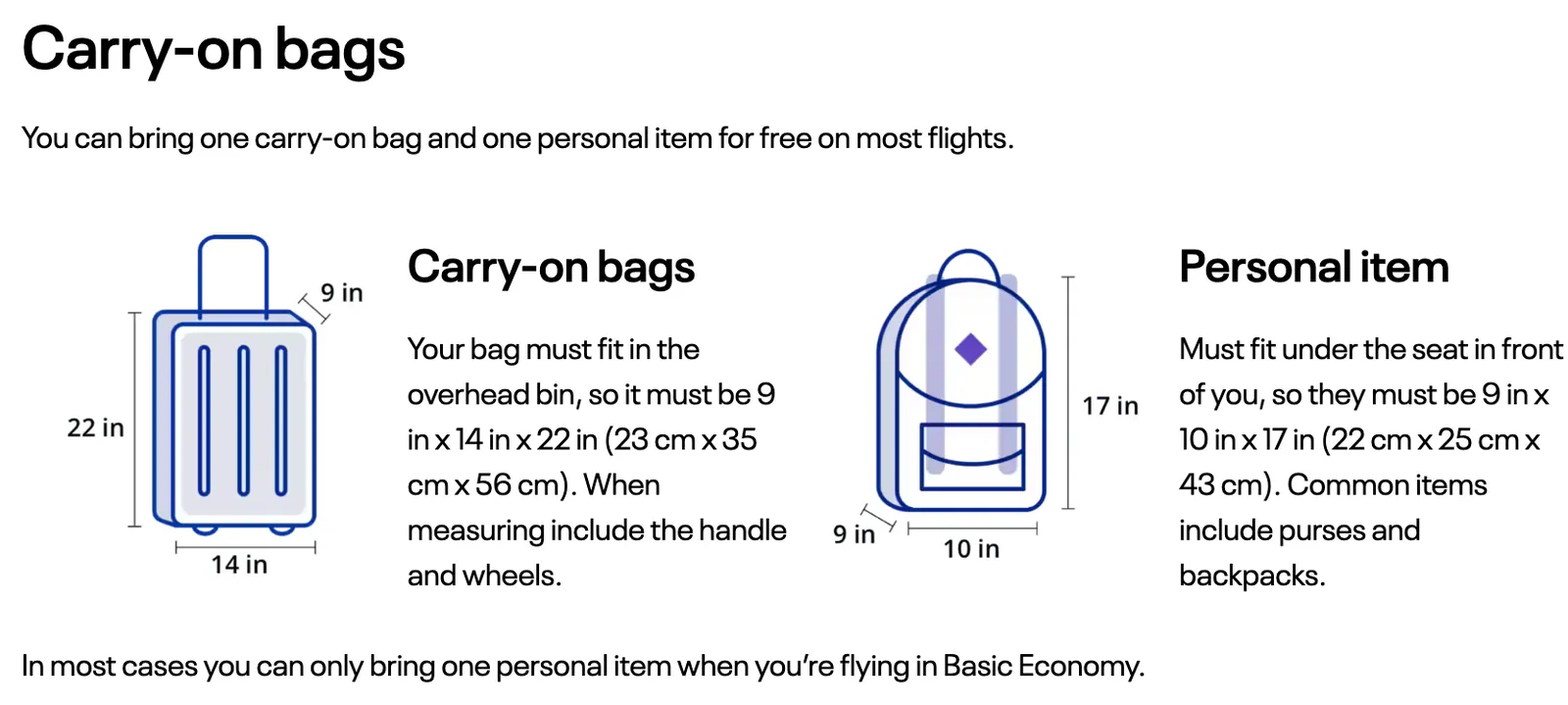
The general policy for most major domestic carriers allows for one carry-on bag and one personal item. A personal item is defined as a smaller bag that can be stowed beneath the seat, while a carry-on is a larger bag designed for overhead storage. If you travel with a standard rolling suitcase and a backpack, you generally meet these requirements perfectly.
Warning: Always verify the specific rules of your airline, as ultra-low-cost carriers often have stricter policies regarding overhead bin usage for passengers who purchase basic economy tickets.
Standard Size And Weight Limits
Every airline sets its own requirements for what constitutes an acceptable bag. While domestic policies are often similar, international carriers can vary significantly. You should always consult the TSA carry-on baggage guidelines to ensure your items aren’t only the right size but also contain permitted contents.
| Item Type | Typical Dimensions | Weight Limit |
|---|---|---|
| Carry-on | 22″ x 14″ x 9″ | 15 – 35 lbs |
| Personal Item | 18″ x 14″ x 8″ | No specific limit |
Strategies For Efficient Packing
To maximize your space, place your heaviest items in your carry-on suitcase. This keeps your backpack light, making it easier to maneuver through crowded terminals or reach items during the flight. Use compression packing cubes to organize your clothing, which helps keep your suitcase tidy and prevents wrinkles. For your backpack, focus on keeping your essential travel documents and electronics in the outer pockets for quick access during security screening.
Choosing The Right Bags
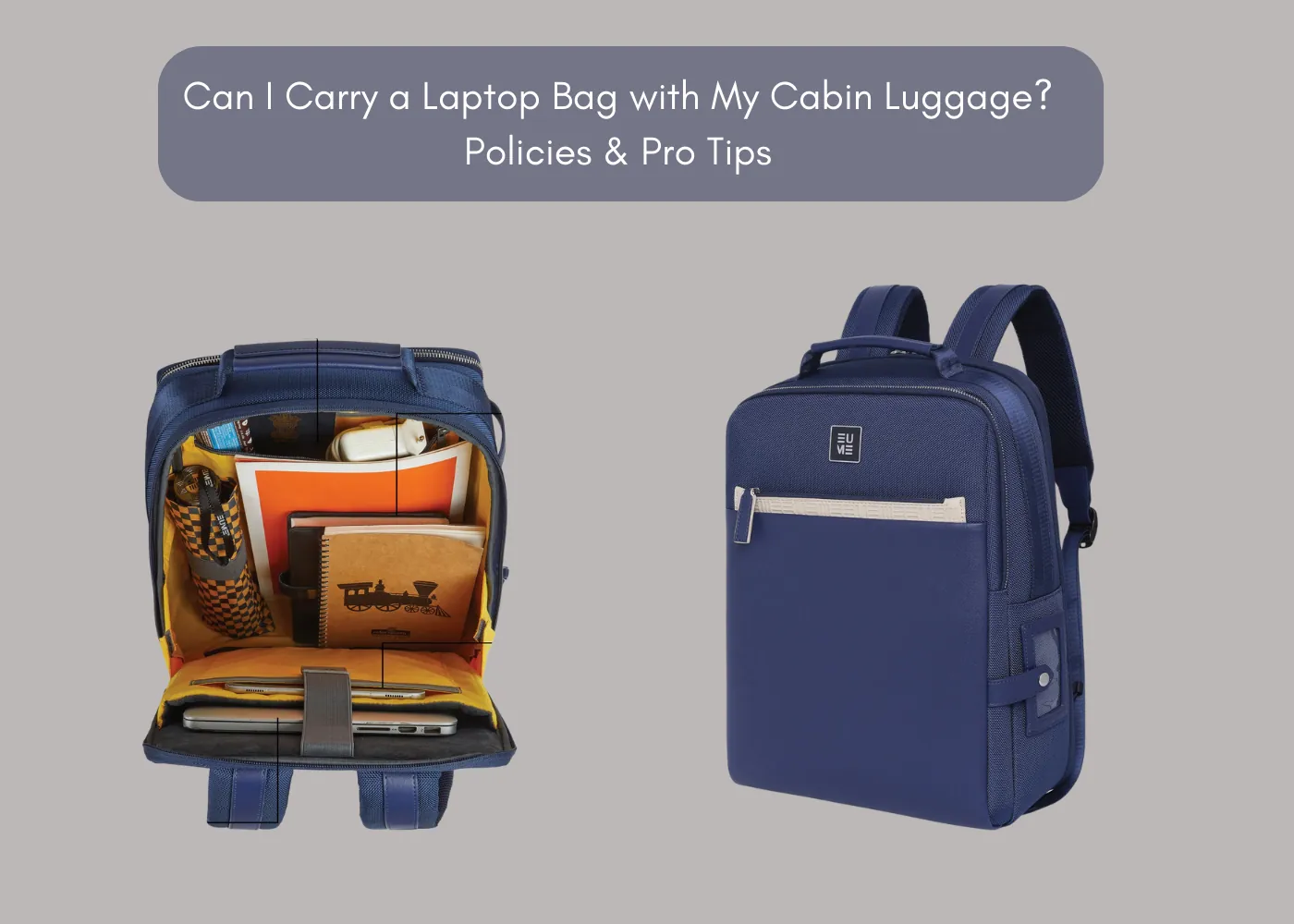
Not all bags are created equal. When selecting luggage, look for dimensions that align with the most restrictive airline you plan to fly. Popular brands like Away, Osprey, and Samsonite offer models specifically designed to meet these standard airline requirements. A backpack with a dedicated laptop sleeve is ideal for business travelers, while a rolling suitcase with four spinner wheels provides the best mobility for long walks through airport terminals.
Managing Your Items At The Gate
When boarding, ensure your personal item is fully ready to be placed under the seat. If the overhead bins are full, flight attendants may ask you to gate-check your carry-on. In this scenario, keep your backpack with you, as it contains your valuables and electronics. Pro Tip: Keep a small, lightweight foldable bag inside your backpack; if you’re forced to gate-check your suitcase, you can move essential items into the foldable bag to keep them under your seat.
Handling Budget Airline Restrictions
Some budget carriers, such as Spirit or Frontier, charge extra for carry-on bags. If you have a basic fare, you might only be entitled to one personal item. In these cases, your backpack must serve as your only bag. To make this work, use a travel-sized backpack designed for maximum volume, often called a “carry-on backpack.” These bags open like a suitcase, allowing you to pack more efficiently than a traditional school-style bag.
| Airline Type | Carry-on Policy | Personal Item Policy |
|---|---|---|
| Full-Service | Included | Included |
| Budget/Basic | Fee applies | Included |
| Regional | Varies by plane | Included |
Troubleshooting Common Packing Issues
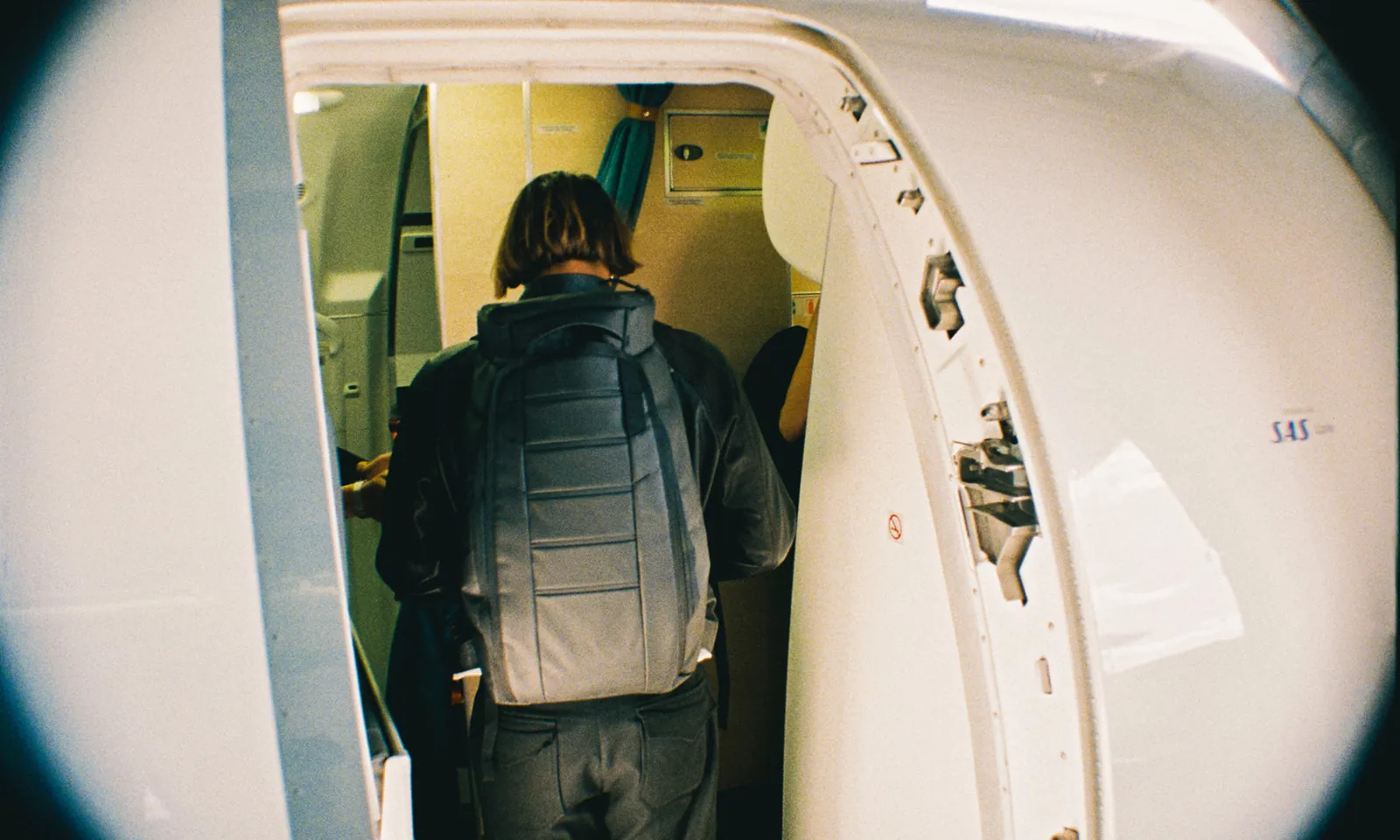
If your backpack is too bulky, you’ll struggle to fit it under the seat, which may force you to check it at the gate. To prevent this, avoid overstuffing the main compartment. If you’re struggling with space, consider wearing your bulkiest clothing items—such as a heavy jacket or boots—during the boarding process. This reduces the volume of items inside your bags while keeping you comfortable during the flight.
Frequently Asked Questions
Does a laptop bag count as a personal item?
Yes, most airlines categorize a laptop bag as a personal item. If you’re already carrying a backpack, you must ensure the laptop bag fits inside the backpack or counts as your single allowed personal item. If you carry both separately, the gate agent may count them as two personal items, which exceeds your allowance.
Can I bring a purse and a backpack?
Generally, no. Most airlines allow only one personal item. If you carry a purse and a backpack, you’ll likely be required to put the purse inside the backpack before boarding. Ensure your purse is small enough to fit comfortably within the main compartment of your backpack to avoid being flagged for having too many bags.
What happens if my bag is too big?
If your carry-on or backpack exceeds the airline’s size limits, the gate agent may require you to check the bag into the cargo hold. This often incurs a fee, which can be significantly higher at the gate than it would have been if you had paid for a checked bag online in advance. Always measure your bags before heading to the airport.
Are there weight limits for personal items?
While many airlines don’t enforce a strict weight limit for personal items, the bag must still be manageable and fit under the seat. If your backpack is excessively heavy, it may be difficult to stow safely. Always prioritize comfort and ease of movement, as you’re responsible for lifting your own bags into the overhead bins or under the seats.
Can I bring a neck pillow and a blanket?
Most airlines allow a neck pillow and a blanket as “extra” items that don’t count toward your carry-on or personal item limit. However, check your specific airline’s website, as policies can vary. To be safe, keep these items attached to the outside of your backpack or carry them in your hands while boarding to avoid any confusion with the gate agents.
Organizing your belongings effectively is the best way to ensure a smooth boarding experience without incurring extra costs. Start by measuring your current bags against the requirements of your specific airline, then adjust your packing list to ensure everything fits comfortably within the allowed limits. By preparing your items for quick access during security and boarding, you can navigate the airport with confidence and ease.