
Almost every major airline permits carrying a backpack, provided it fits within their specific size and weight limits.
Choosing the right travel bag
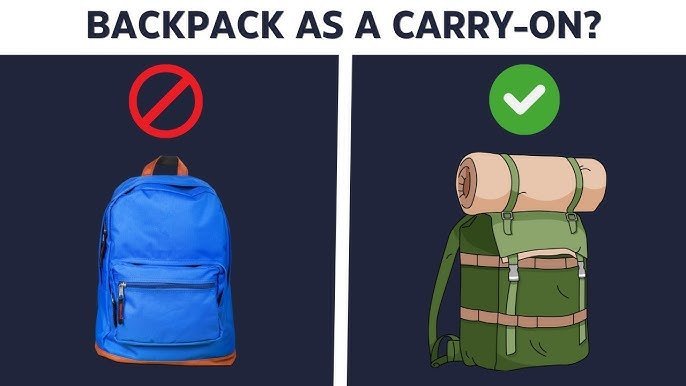
You can use a backpack as a carry-on as long as it adheres to the size restrictions of your flight. Airlines define carry-on bags by their total dimensions, which include the height, width, and depth of the bag when fully packed.
| Your Situation | Answer | Why |
|---|---|---|
| Bag fits under seat | Yes | It counts as your personal item. |
| Bag fits overhead bin | Yes | It qualifies as standard carry-on. |
| Bag exceeds dimensions | No | It will require a gate check. |
| Bag is very heavy | Maybe | Some airlines have weight limits. |
| Budget airline flight | Check | Many charge extra for overhead bags. |
| International travel | Check | Rules vary by carrier and region. |
Why size limits determine your choice
The primary rule for carry-on luggage is that it must fit into the airline’s sizer box at the gate. If your backpack is too tall or too wide, the gate agents can’t safely stow it in the overhead compartment. Most major carriers, such as Delta or United, typically allow a carry-on bag to be around 22 x 14 x 9 inches, including wheels and handles. If you use a backpack, you must ensure the frame or contents don’t exceed these measurements when the bag is packed. If your bag is soft-sided, you can often compress it to fit, but rigid internal frames won’t shrink. If your bag is within the limits, it travels for free; if it exceeds them, you’ll likely pay a fee to check it into the cargo hold.
Steps for packing a carry-on backpack
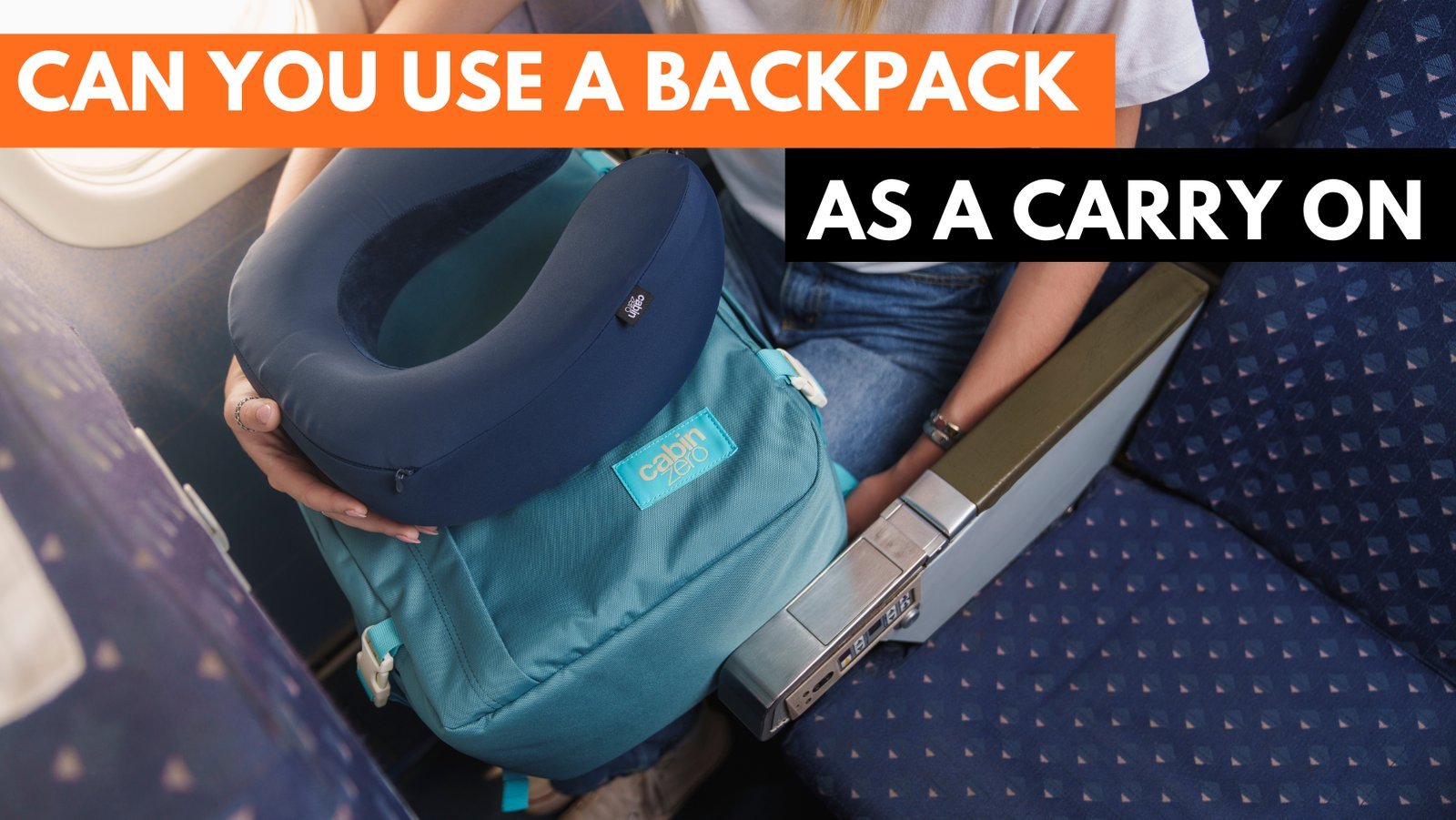
- Measure your bag empty to ensure the frame itself fits within the airline’s published dimensions.
- Pack heavy items at the bottom to keep the center of gravity low and make the bag easier to carry through the terminal.
- Use compression cubes to reduce the total volume of your clothing, which helps the bag stay within the depth limit.
- Remove exterior dangling items like carabiners or loose straps that could catch on the conveyor belt or the overhead bin door.
- Verify the final weight by using a handheld luggage scale to ensure you’re under the limit, which is often 22 pounds for international flights as specified by IATA cabin baggage guidelines.
- Check the fit by placing the bag into a spare box of the airline’s allowed size to confirm it closes without force.
The mistake people make
The most common mistake is overstuffing a backpack so that it becomes too thick to fit in the overhead bin. This often happens when people try to pack too many bulky items like heavy boots or thick coats into the front pockets. This extra bulk costs you time at the gate, as the agent may force you to check the bag, which can lead to lost luggage or broken items. Always leave a small amount of extra space in the main compartment so the bag can flex slightly when you slide it into the bin.
When to stop and get help
- The zipper is bulging or straining, which indicates the bag is too full and may burst during handling.
- The backpack contains restricted items like large tools or liquids over 3.4 ounces, which must be removed before security.
- You’re unsure of the airline’s specific policy on “personal items” versus “carry-on bags,” as these vary significantly.
- If the bag is physically too heavy for you to lift above your head, ask a flight attendant for assistance.
Frequently asked questions
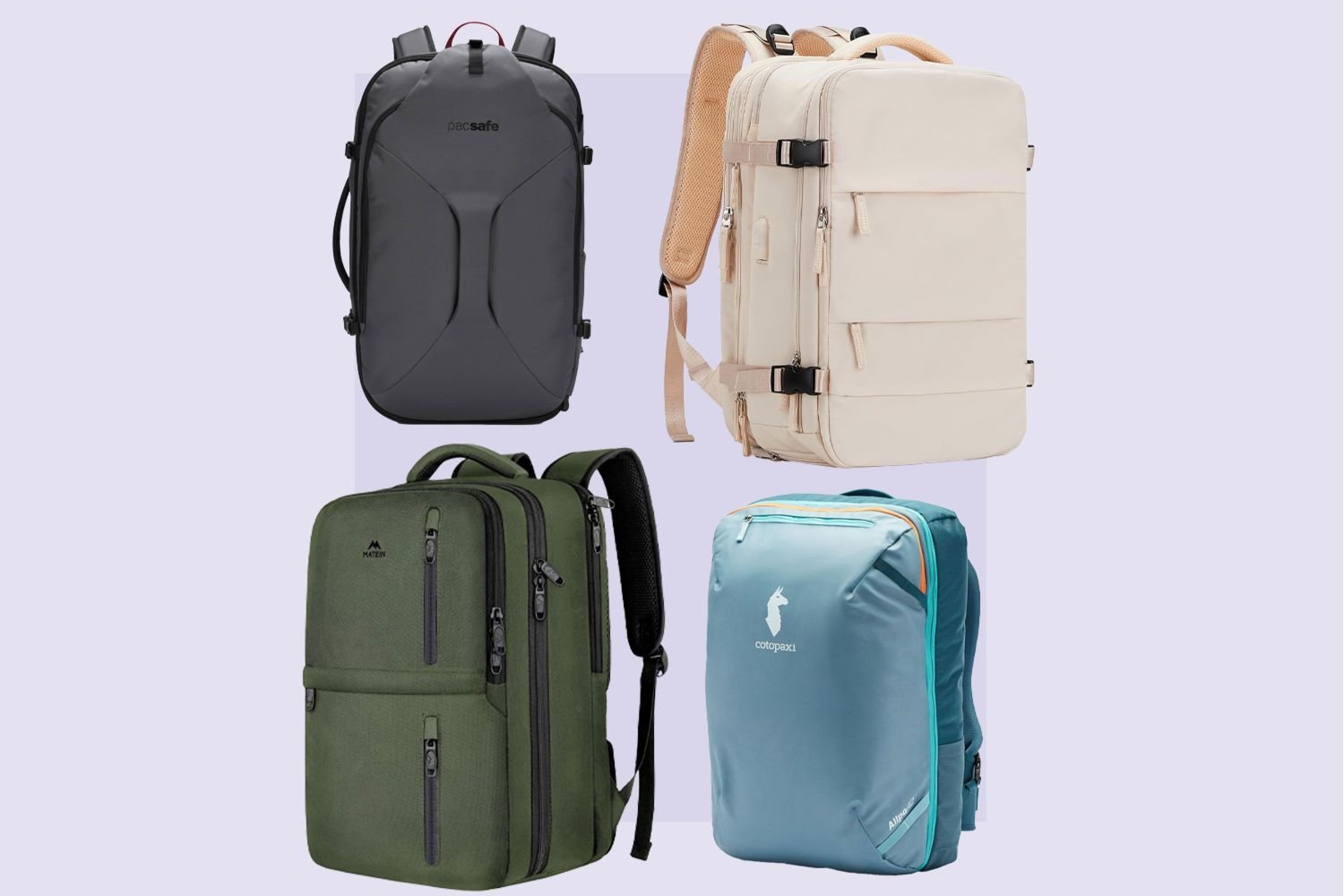
Can I bring a backpack and a carry-on?
Yes, most airlines allow one personal item and one carry-on bag. Your backpack can be your personal item if it fits under the seat, or your carry-on if it fits in the overhead bin.
Is it safe to put electronics in a backpack?
Yes, it’s generally safe if you use a padded laptop sleeve inside the bag. Always keep your lithium batteries in your carry-on bag, as these are prohibited in the checked cargo hold for safety.
How much weight can a carry-on backpack have?
It depends on the airline, but many international carriers set a limit of 15 to 22 pounds. Check your ticket confirmation or the airline’s website for the exact weight allowance for your specific fare class.
Can I carry a backpack with a metal frame?
Yes, but you must ensure the frame doesn’t push the bag over the airline’s size limits. If the frame is rigid and exceeds the dimensions, it will be rejected at the gate.
What happens if my backpack is too big?
It will be checked into the cargo hold, often for a fee. If the flight is full, the gate agent might require you to check it even if it fits, so always be prepared.
Does it matter if my backpack has wheels?
Yes, the wheels count toward the total height and depth of the bag. Measure from the very bottom of the wheels to the top of the handle to ensure you’re within the allowed dimensions.
Conclusion
Start by checking your airline’s specific dimension requirements on their official website. If your bag fits within those limits, you can proceed to pack your items. If you find the bag doesn’t fit the sizer, you must use a smaller bag to avoid extra fees.