
Yes, a backpack can be a carry on bag as long as it fits within the airline’s size and weight limits. Most major carriers permit one personal item and one carry-on, so you can often bring both if your bag fits under the seat in front of you.
When your backpack counts as a carry on
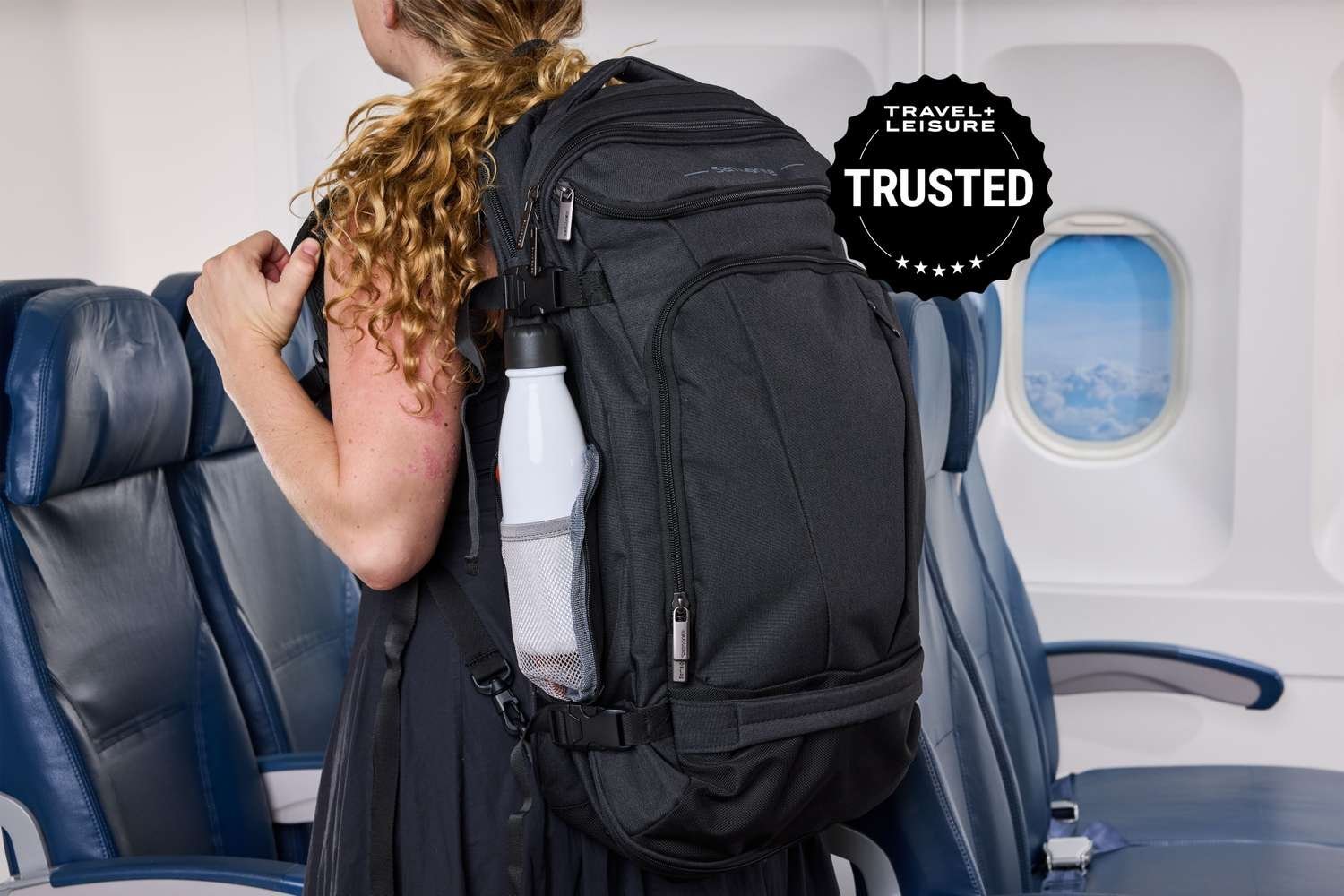
Whether you can use your pack depends on the specific rules of your airline and the dimensions of your gear. If your item exceeds the allowed size, you’ll be forced to check it at the gate for an additional fee.
| Your situation | Answer | Why |
|---|---|---|
| Fits under seat | Yes | It counts as a personal item |
| Fits in overhead bin | Yes | It meets standard carry-on dimensions |
| Exceeds 22x14x9 inches | No | It’s too large for the cabin |
| Weighs over 20 lbs | Varies | Some airlines have strict weight caps |
| Contains prohibited items | No | Security will flag restricted objects |
| Is a hiking frame pack | Usually no | The frame makes it too bulky |
Rules that determine your bag’s status
The primary factor deciding if your bag is allowed in the cabin is its physical size when fully packed. Airlines set these limits to ensure that all passengers have enough space in the overhead bins and under the seats. A standard carry-on limit is usually 22 inches by 14 inches by 9 inches, including handles and wheels, as noted by the Transportation Security Administration carry-on guidance. If your backpack is bulging, it might exceed these dimensions even if it looks small while empty.
Weight also plays a role on many international flights, where carriers may enforce a limit of 7 to 10 kilograms. You should always check the official baggage policy on your airline’s website before heading to the airport. If your bag is soft-sided, you can often compress it to fit, but rigid internal frames prevent this. If the bag is within the limit, then you’re clear; if it’s oversized, then you must check it.
How to pack your bag for the cabin
Photo: arcaofficial.com on Google
Follow these steps to ensure your pack moves through security without issues.
- Measure your bag empty and full. Use a tape measure to check the height, width, and depth to ensure it stays under the 22x14x9 inch threshold.
- Remove all restricted items. Take out large liquid containers, sharp tools, or flammable materials before you get to the checkpoint.
- Organize your tech separately. Keep your laptop or tablet in an accessible pocket so you can pull it out quickly at the security scanner.
- Use compression straps. Tighten the side straps to pull the bag’s weight closer to your back and reduce its overall profile.
- Check the weight. Use a luggage scale to ensure you’re under the specific airline’s weight limit, which is often 15 to 22 pounds for economy class.
The common mistake with backpack sizing
People often assume that because a backpack is soft, it will “squish” into the metal sizers at the gate. This is a mistake that often costs travelers a gate-check fee, which can be significantly higher than paying for a checked bag in advance. If your pack has a stiff back panel or a rigid frame, it won’t compress regardless of how much you push. To avoid this, always measure the frame or the stiffest part of the bag rather than the fabric. If it doesn’t fit in the sizer without force, it’s too big.
When to stop and seek assistance
There are clear points where a backpack is no longer a simple carry-on item.
- The frame exceeds the airline’s dimensions even when empty, meaning it must be checked.
- You’re carrying specialized equipment that requires a declaration for air travel, which airline staff must handle.
- You have medical devices that need pre-approval, which requires contacting the airline’s disability assistance line.
Attempting to force oversized or restricted items past security can lead to surrendered gear or missed flights. If your bag falls into these categories, speak with a gate agent immediately to avoid penalties.
Frequently asked questions
Can I bring a backpack and a carry-on?
Yes, you can bring both if one fits under the seat as a personal item and the other goes in the overhead bin. Always verify your ticket class, as some budget airlines limit passengers to only one item.
Is a 40L backpack okay for carry-on?
Usually, a 40L pack fits if it stays under 22x14x9 inches, but it depends on the specific design. Check the manufacturer’s dimensions against your airline’s requirements before you head to the airport.
Does the weight of my backpack matter?
Yes, many international airlines enforce a weight limit of 15 to 22 pounds for cabin bags. Check your specific airline’s website for their weight policy, as this varies by carrier and flight route.
What happens if my backpack is too big?
If your bag is too big, the airline will force you to check it at the gate. This often results in a higher fee than paying for a checked bag during your initial booking.
Are hiking backpacks allowed as carry-ons?
Usually no, because hiking packs often have external frames or long waist belts that exceed standard cabin dimensions. Only use a hiking pack if it meets the size limits and can fit in the overhead bin.
Does it matter if my backpack has a laptop sleeve?
No, a laptop sleeve doesn’t affect your carry-on status as long as the total bag size remains within limits. Ensure your laptop is easy to remove for the security screening process.
Conclusion
Start by measuring your bag’s dimensions while it’s fully packed to see if it meets the airline’s requirements. You’ll know you’re ready when the bag fits easily into the airport’s metal sizer. If the bag fails to fit, you must check it.