
Yes, you can carry on a backpacking pack if it fits within the airline’s size and weight limits. The main factor is whether the frame size allows it to fit inside the overhead bin. You should measure your pack’s height, width, and depth before arriving at the airport.
Backpacking pack carry on size limits
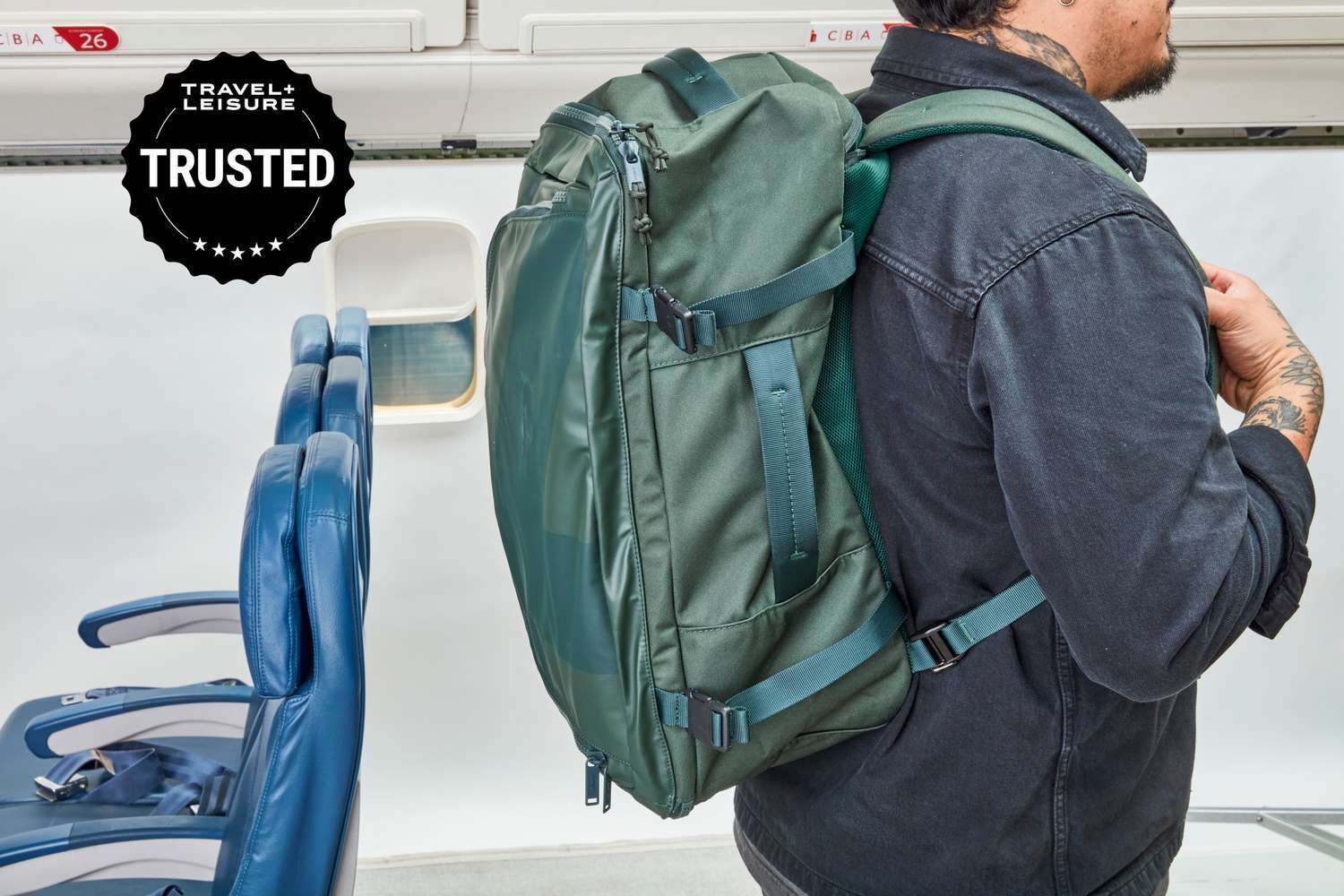
Whether your gear qualifies depends on the airline and the specific dimensions of your bag. Most major carriers have strict limits to ensure all luggage fits safely in the cabin.
| Your situation | Answer | Why |
|---|---|---|
| Pack is under 22x14x9 inches | Yes | Fits standard overhead bins |
| Pack is over 25 inches tall | No | Too long for bin depth |
| Bag is soft and under-packed | Yes | Compresses to fit the frame |
| Pack has a rigid metal frame | No | Can’t bend to fit space |
| Backpack is empty/partially full | Yes | Reduces total volume easily |
| You’re flying a budget airline | Maybe | Smaller size limits apply |
What decides if your pack fits
The deciding factor for carry-on luggage is the total exterior dimensions, including the hip belt, side pockets, and the frame. Airlines use metal sizers at the gate to verify that bags meet their TSA carry-on size requirements, which generally cap dimensions at 22 inches by 14 inches by 9 inches. If your pack exceeds these numbers, the staff may force you to check it at the gate, which often costs extra fees.
Rigid internal or external frames are the primary issue because they can’t be squashed. If your pack has a stiff plastic or metal sheet against your back, that’s the hard limit for your bag. If you have a soft-sided pack, you can often remove gear to make the bag smaller. If the bag fits the sizer, then it’s allowed; if the frame prevents it from entering the box, then it must be checked.
If you go ahead with your pack
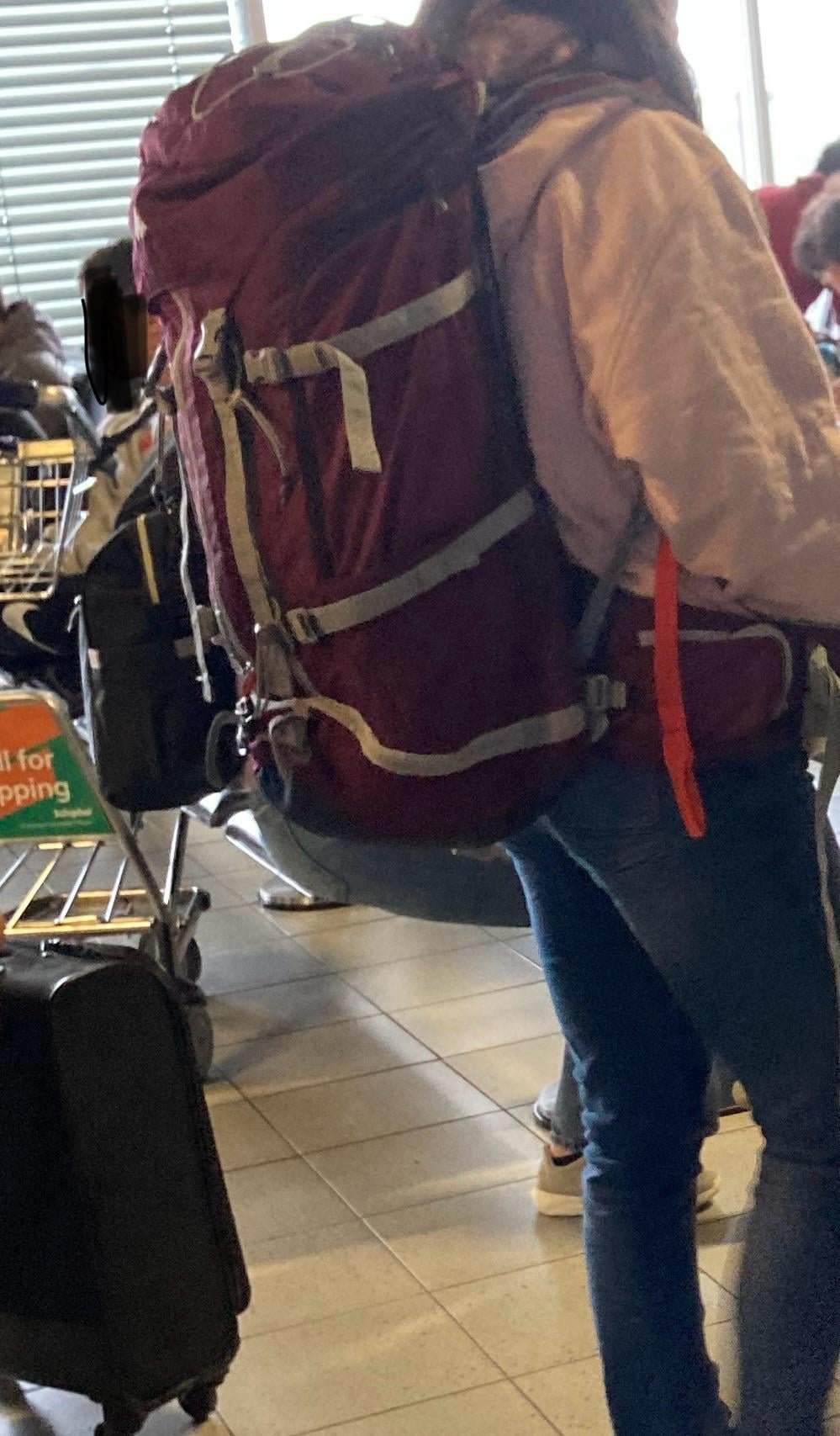
- Empty the rigid frame components. Remove any stiff back panels or metal stays if they’re detachable to make the pack more flexible.
- Loosen all compression straps. Pull the side and front straps as tight as possible to reduce the overall depth and width of the bag.
- Remove bulky exterior gear. Take off items like sleeping pads, trekking poles, or extra shoes that stick out and increase the pack’s footprint.
- Measure before you pack. Use a tape measure to check the height, width, and depth of the bag while it’s full to see if it matches the Federal Aviation Administration carry-on guidelines.
- Prepare for gate checking. Have a plan for your valuables, such as a laptop or medicine, just in case you’re forced to check the bag at the last minute.
The mistake people make
The most common error is failing to account for the hip belt and shoulder straps. Many travelers measure only the main compartment and forget that the thick padding on the bottom of the bag adds 3 to 5 inches of extra width. This oversight often leads to the pack failing the gate sizer test, which can cost you a significant amount in unexpected checked bag fees. To avoid this, always measure from the very bottom of the hip belt to the top of the frame, including any protruding buckles or straps.
When to stop and get help
- The frame is visibly bent or warped from overstuffing, which may cause it to snap under pressure in a tight bin.
- The pack contains prohibited items like large multi-tools or heavy metal hardware that security will confiscate.
- You’re flying on a smaller regional aircraft where overhead bins are significantly smaller than standard jets.
If you encounter these issues, you must check the bag at the ticket counter. Trying to force an oversized pack into a small bin can damage the aircraft cabin or the luggage itself.
Frequently asked questions
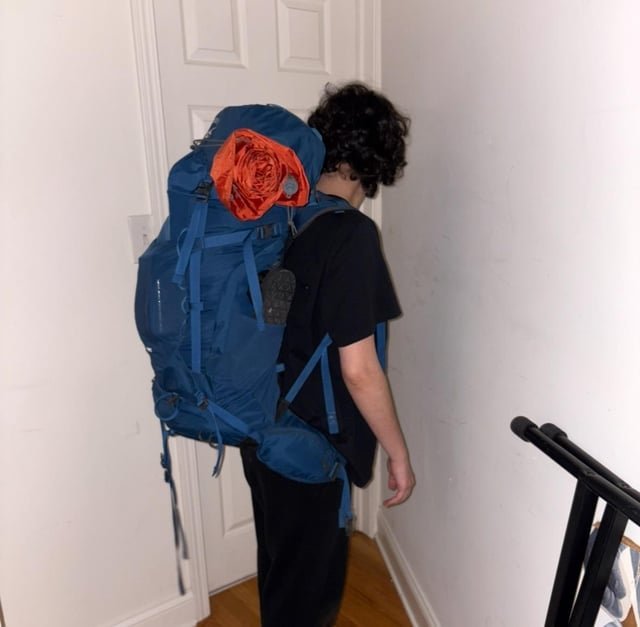
Can I bring a 50L backpack as a carry-on?
Usually no, because a 50L pack is typically too tall for standard overhead bins. Most carry-on limits are around 40L, so you must measure your specific bag’s height to confirm it fits the airline’s size limit.
Does the hip belt count toward size limits?
Yes, the hip belt is included in the dimensions because it’s part of the bag’s total exterior footprint. You must include the belt in your measurements to ensure the bag fits inside the airport sizer.
What happens if my bag is too big?
The airline will require you to check the bag at the gate, which often carries an extra fee. You should remove any fragile or expensive items from the bag before it goes into the cargo hold.
Is it safe to put a backpack in the overhead bin?
Yes, it’s safe as long as the pack isn’t overstuffed and the bin closes completely. You should always place the bag with the heaviest side facing down to prevent it from shifting during the flight.
Does the weight of the pack matter?
Yes, many international airlines have a maximum weight limit of 15 to 22 pounds for carry-on bags. You should check your specific airline’s website for their weight policy before you head to the airport.
How do I measure my backpack correctly?
You should use a tape measure to check the height, width, and depth of the pack while it’s fully loaded. Include all exterior pockets, the hip belt, and the frame in your final measurement numbers.
Conclusion
Start by measuring the height, width, and depth of your empty pack to see if it meets the airline’s specific limits. If it fits, pack your items carefully to keep the profile slim. If the frame is too rigid or large, you must check the bag to avoid gate fees.
Related guides