
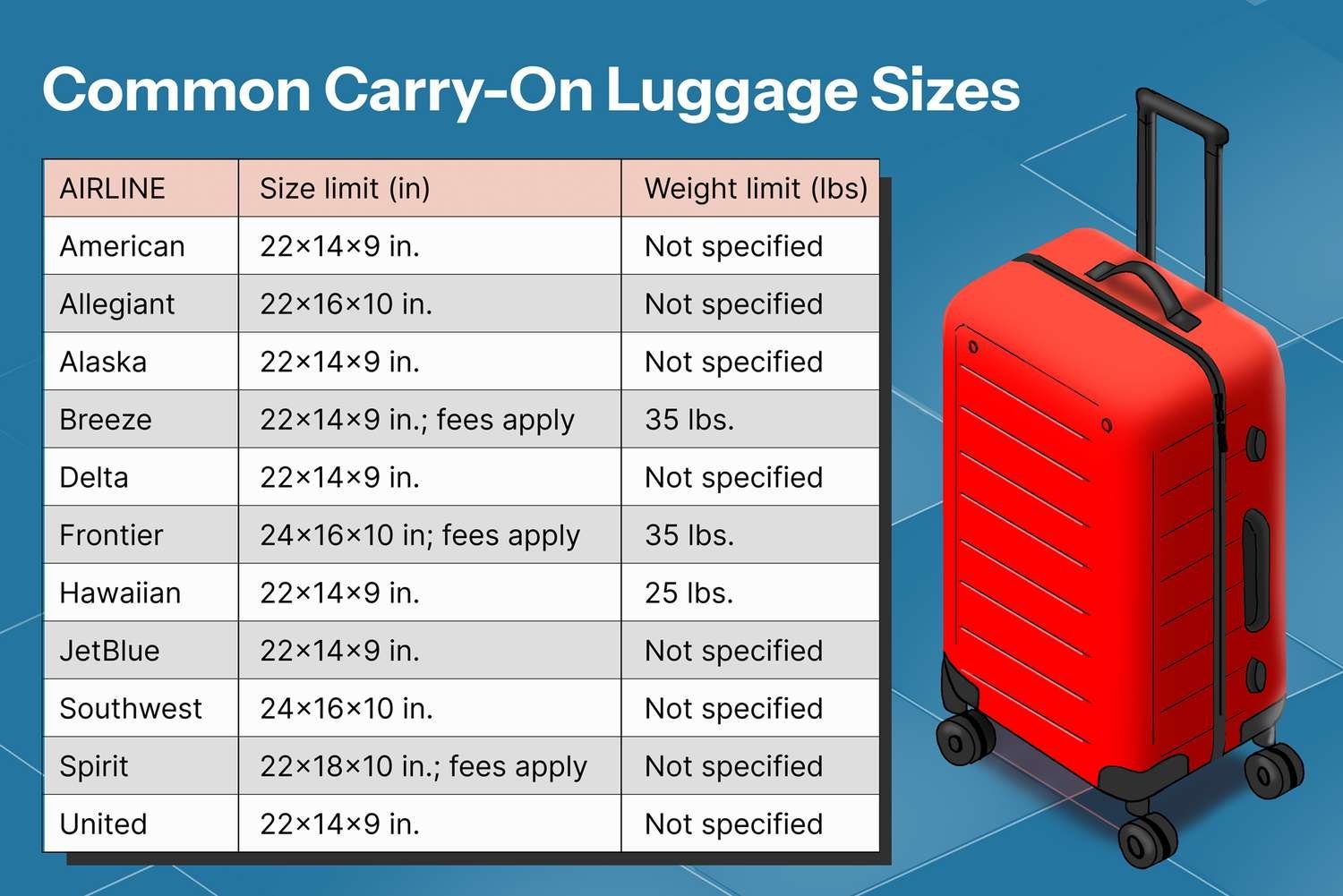
No, a 24-inch suitcase is almost never a carry-on because it exceeds the standard size limits enforced by major airlines. You’ll usually need to check this size at the ticket counter. While domestic and international rules vary, the standard TSA carry-on size guidance confirms that dimensions are strictly regulated.
If you bring a 24-inch bag to the boarding gate, you face a common mistake: assuming that “medium” luggage qualifies as carry-on. This mistake often forces travelers to pay unexpected gate-check fees, which can be significantly higher than the cost of checking a bag online in advance.
The main factor deciding your success is the specific airline policy for your ticket class. If you fly with a budget carrier, their limits are tighter than those of legacy airlines; if you fly with a premium carrier, you might have more flexibility, but rarely enough to cover a 24-inch frame.
How to carry your suitcase properly
- Place your heaviest items at the bottom of the 24-inch suitcase near the wheels to keep the center of gravity low.
- Use packing cubes to compress your clothing, which helps keep the contents from shifting during transit.
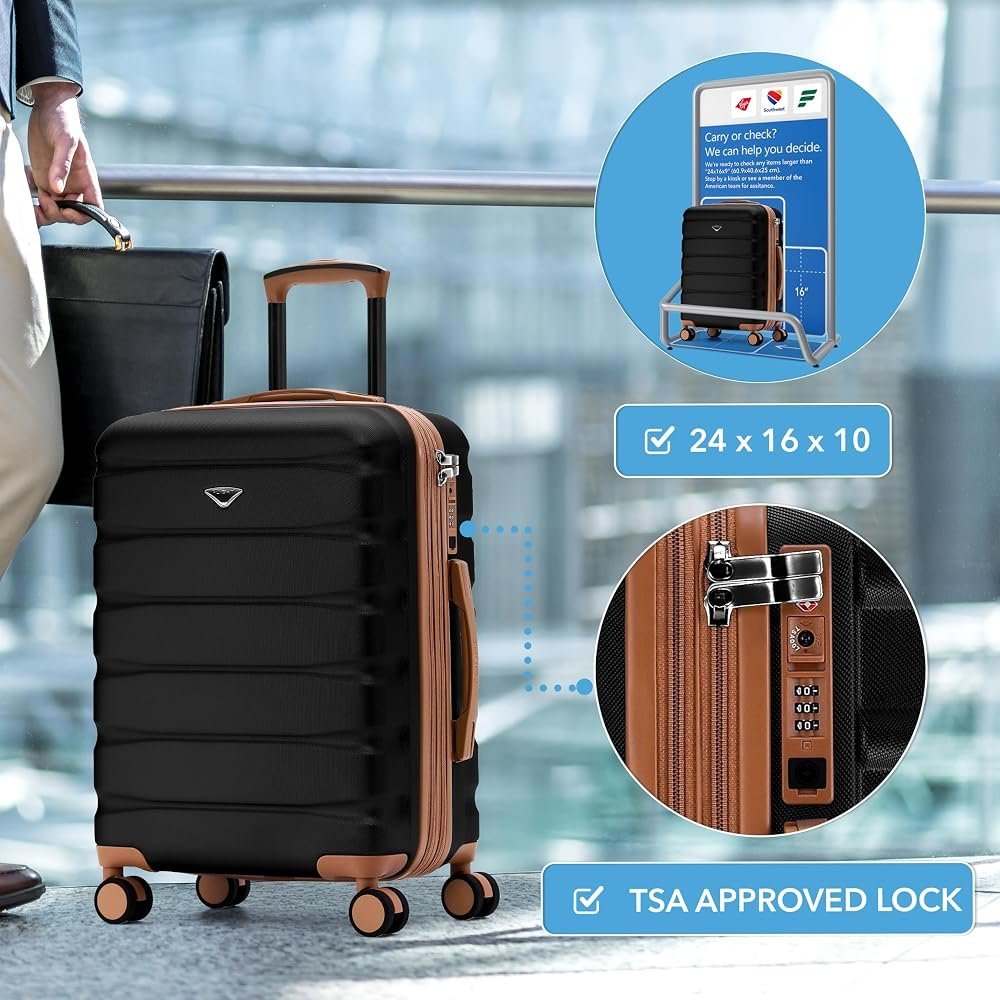
- Lock the zippers using a TSA-approved lock to ensure security staff can open the bag for inspections without damaging the hardware.
- Remove all loose straps or dangling tags from the exterior to prevent the bag from getting caught in airport conveyor belt systems.
- Weigh the bag on a luggage scale before leaving home to ensure it stays under the typical 50-pound weight limit for checked items. Tip: If you’re traveling with liquids, place them in a sealed plastic bag inside your checked suitcase to prevent leaks from damaging your clothes if the pressure changes in the cargo hold.
Luggage Size and Travel Time
Travelers often find that the time required to retrieve baggage at the carousel adds 30 to 60 minutes to their arrival schedule.
| Situation | Average Wait | What changes it | What to watch for |
|---|---|---|---|
| Domestic Flight | 20–30 mins | Airport busyness | Peak travel hours |
| International Flight | 45–60 mins | Customs processing | Declared items |
| Small Regional Airport | 10–20 mins | Flight volume | Number of arrivals |
If your bag doesn’t appear on the carousel after 60 minutes, visit your airline’s baggage service office immediately to file a report.
Checking Suitcase Suitability
You can verify if your bag is too large by measuring the exterior length, width, and depth including the wheels and handles. Most airlines measure the “linear inches” by adding these three dimensions together. If your total exceeds 45 inches, it’s officially checked luggage. The most reliable test is to place the bag into the metal sizer frames located near the airline check-in desks; if it doesn’t slide in easily without force, it must go into the cargo hold.
Common Luggage Errors
- Ignoring wheel dimensions: Many people measure the fabric shell but forget the wheels, which can add 2 to 3 inches to the total height. Always measure from the floor to the top of the handle to get the true height.
- Overpacking the front pocket: Filling the exterior pocket makes the bag bulge, which can prevent it from fitting into the airline’s sizing bin. Keep the exterior profile flat to stay within the allowable dimensions.
- Using non-standard luggage: Some specialty bags have rigid frames that can’t be compressed. If you use a rigid 24-inch case, you have zero room for error, so you must treat it as checked luggage from the start of your trip.
Frequently asked questions
How many inches is a standard carry-on?
A standard carry-on is usually 22 inches tall, including wheels and handles. Most airlines mandate that the total dimensions don’t exceed 45 linear inches, which is calculated by adding the height, width, and depth of the bag together.
Can I bring a 24-inch suitcase on a plane?
Yes, you can bring it, but it must be checked into the cargo hold. Because 24-inch bags exceed the maximum height allowed for overhead bins, they aren’t permitted in the cabin regardless of the airline or your ticket class.
Is a 24-inch bag considered medium luggage?
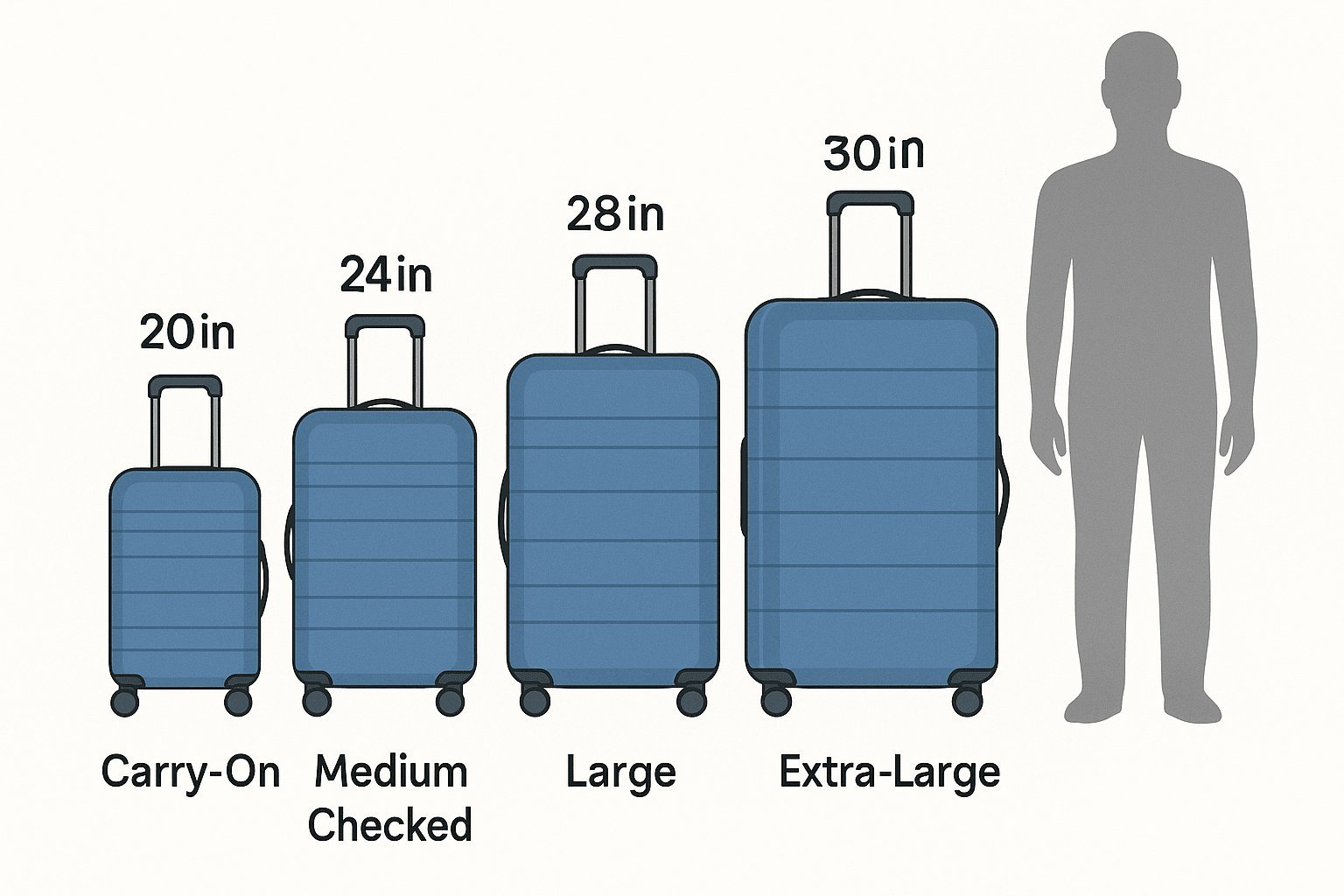
Yes, a 24-inch bag is categorized as medium-sized luggage. It’s designed for trips lasting between one and two weeks, providing more volume than a carry-on but less capacity than a large 28-inch checked suitcase.
What happens if I bring a 24-inch bag to the gate?
You’ll likely be required to gate-check the bag, which often involves an extra fee. Many airlines charge a higher rate for gate-checking than they do for bags checked at the ticket counter, so it’s cheaper to check it before reaching security.
Does a 24-inch suitcase fit in an overhead bin?
No, a 24-inch suitcase is generally too tall for overhead bins on most commercial aircraft. The bins are designed for bags that are 22 inches or shorter, and the extra two inches on a 24-inch bag will prevent the bin door from closing.
How much does a 24-inch suitcase weigh when full?
A full 24-inch suitcase typically weighs between 30 and 45 pounds, depending on the items packed. Most airlines set a limit of 50 pounds for checked bags; if you exceed this, you may be charged a heavy-bag fee at the check-in counter.
Conclusion
Before you head to the airport, check your specific airline’s website for their latest baggage requirements. It’s a smart move to measure your bag at home so you won’t be surprised by extra fees at the gate. You’ll have a much smoother trip when you’re prepared for whatever the staff decides.
Related guides