
If you are asking what is the largest backpack, production expedition packs reach 120 liters, though the answer depends on whether you include custom internal frames or industrial external hauling gear.
What is the largest backpack?
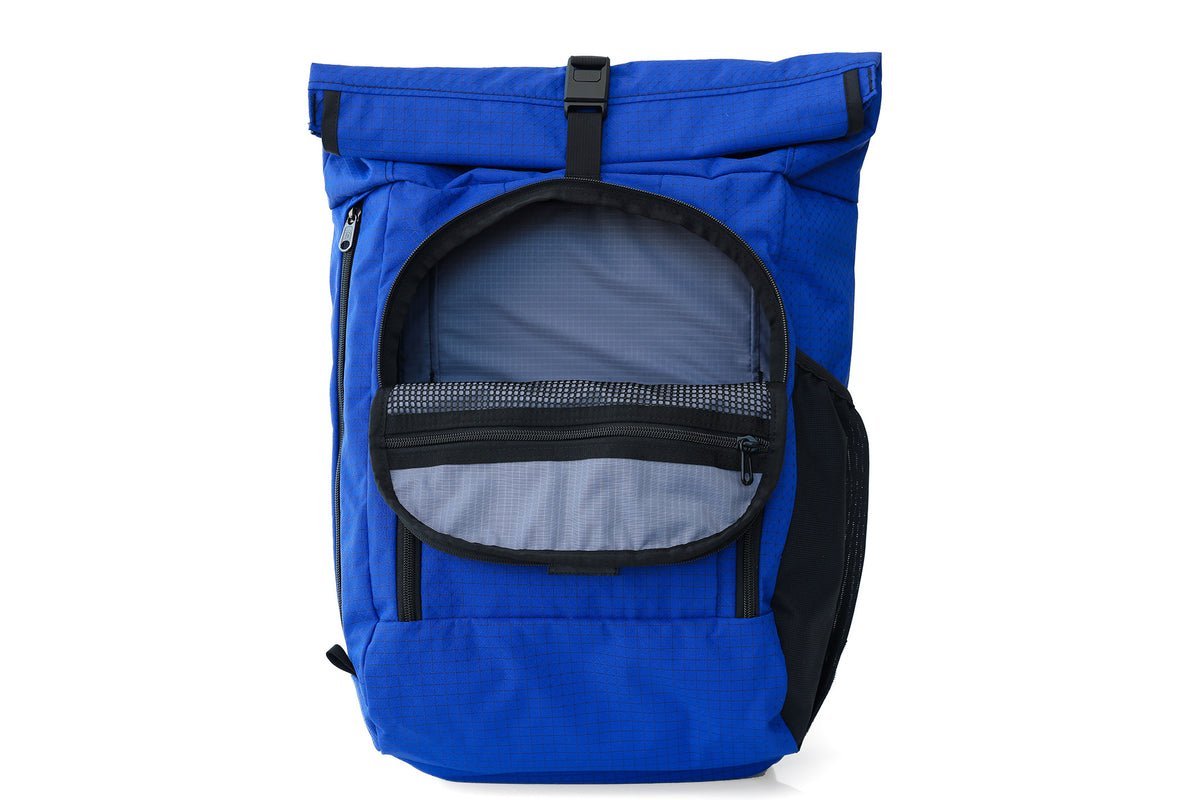
- Standard expedition packs for long-term trekking usually cap out at 100 to 120 liters.
- Internal frame models provide the best balance of weight distribution for heavy loads up to 30 kilograms.
- External frame packs often handle odd-shaped cargo better, though they sit further from your center of gravity.
- Always check the manufacturer’s volume measurement method, as some brands include pockets while others do not.
- If you’re under 170 centimeters tall, look for adjustable torso lengths to prevent the pack from hitting your hips.
- Never exceed 25 percent of your body weight, as recommended by the American Hiking Society regarding load safety.
Why capacity varies by design
Backpack volume is measured by filling the main compartment and all integrated pockets with small, uniform spheres to determine total space. This varies by model — check the label on the inner lid or side panel to see if the manufacturer includes exterior shovel pockets or water bottle holders in their liter count. A 100-liter pack from one company might actually hold less gear than a 90-liter pack from another if the measuring standard differs.
The physical limit of a backpack is determined by the frame’s ability to transfer weight to your hips without buckling. If you’re carrying over 25 kilograms, you need a rigid internal stay system; if you’re carrying less, a lighter, flexible frame will suffice. Designers stop increasing volume at 120 liters because a pack larger than that creates too much leverage, pulling the wearer backward and increasing the risk of falls on uneven mountain terrain.
When the answer is different
| Situation | What changes | What to do instead |
|---|---|---|
| Ultra-heavy gear | Frame rigidity | Use external frame packs |
| Short torso | Pack height | Choose adjustable harness models |
| Winter trekking | Insulation bulk | Use compression sacks inside |
| Technical climbing | Center of gravity | Opt for a 70-liter slim profile |
| Industrial hauling | Load shape | Choose a frame-only carrier |
How to do it properly
- Measure your torso length from the C7 vertebra at the base of your neck to the top of your iliac crest.
- Choose a pack size that matches your torso measurement, as a pack that’s too long will push against your helmet or head.
- Load the heaviest items, such as your tent and food, close to your spine and centered between your shoulder blades for balance.
- Tighten the hip belt first, as it should carry 80 percent of the total weight, leaving your shoulders free from strain.
- Adjust the load lifter straps at a 45-degree angle to pull the pack closer to your upper back and stabilize the movement.
- Perform a test walk of 2 kilometers with your full gear weight to ensure no pressure points develop on your hip bones.
The mistakes that ruin it
- Overloading the pack beyond the manufacturer’s weight limit causes the frame to bend and puts permanent stress on the stitching.
- Ignoring the hip belt adjustment forces your shoulders to carry the full weight, which leads to early fatigue and numbness.
- Packing heavy items at the very top of the bag shifts your center of gravity, making it difficult to maintain balance on trails.
- Failing to use a rain cover during wet weather allows the internal foam to soak up water, adding kilograms of unnecessary weight.
Frequently asked questions

Can I use a 120-liter pack for weekend trips?
No, it’s overkill for a weekend and adds unnecessary weight. You’ll find that a 50-liter pack is more comfortable and prevents you from overpacking items you don’t actually need for two days.
Is it safe to carry 40 kilograms in a large backpack?
No, most frames aren’t designed for that weight. You should check the manufacturer’s manual for the maximum load rating, as exceeding it will void your warranty and likely cause the suspension system to fail.
How do I know if the pack fits my frame?
The hip belt should sit directly on your iliac crest, which is the top of your hip bone. If the belt sits on your soft stomach or too low on your thighs, you must adjust the harness or try a different size.
What happens if the pack is too large?
You’ll struggle with balance and stability on technical terrain. A bag that’s too tall or wide for your body acts like a sail in the wind and makes it difficult to navigate narrow paths.
Does it matter if the pack is internal or external?
Yes, it changes how you carry weight. Internal frames keep the load close to your back for agility, while external frames provide better ventilation and are easier to use for irregular, heavy, or bulky items.
How long does a high-quality backpack last?
It varies by model — check the warranty period on the official brand website. With proper cleaning and storage in a cool, dry place, a well-made expedition pack can last through many years of regular use.
Final Thoughts
Before you commit to a massive pack, head to a local outdoor shop to test how different sizes feel with weight inside. It’s worth trying on a few options to see what fits your frame best. You’ll find that finding the right balance makes every mile on the trail much easier.
Related guides