
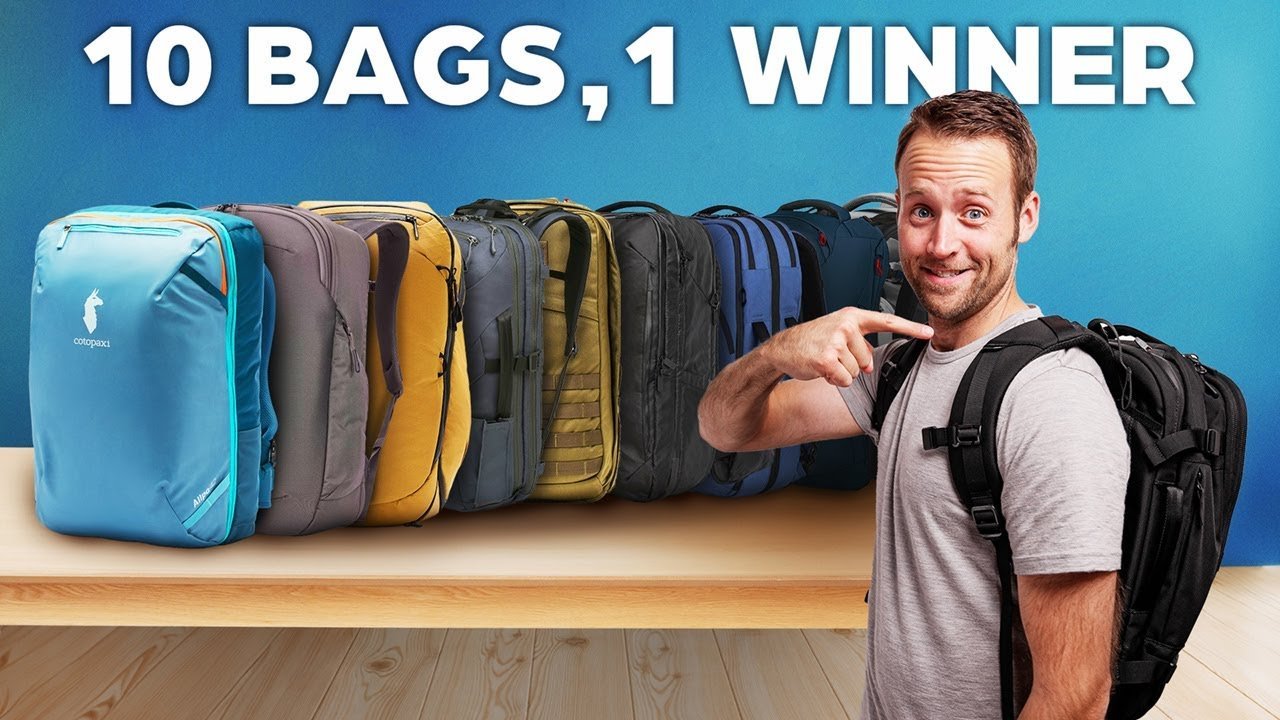
A 40-liter carry-on backpack with a clamshell opening is the most versatile choice for most travelers because it balances storage capacity with airline carry-on size limits. Which backpack is best for traveling depends on your specific trip duration and the airline’s weight restrictions.
The best backpack for traveling
Photo: www.nytimes.com on Google
- Choose a 35-45 liter capacity for trips lasting one week to one month.
- Pick a bag with a clamshell opening to pack and view items like a suitcase.
- Ensure the backpack dimensions are under 22 x 14 x 9 inches for standard carry-on.
- Look for padded shoulder straps and a load-bearing hip belt for heavy gear.
- Check that your bag has a dedicated laptop sleeve if you carry tech.
- Verify the weight of the empty bag, as some durable materials add unnecessary pounds.
Why capacity and fit matter
The primary reason a 40-liter bag is the gold standard for travel is that it maximizes internal volume while remaining within the size constraints set by most global airlines. When you pack, your focus should be on weight distribution rather than just volume. A bag that’s too large often leads to overpacking, which makes navigating public transit or stairs difficult. According to the Transportation Security Administration, you must adhere to specific liquid and item safety rules regardless of your bag size, so keep your essentials accessible. If you choose a pack with a frame, it must fit your torso length to transfer weight from your shoulders to your hips. This prevents strain during long days of walking. Always consult the manufacturer’s size guide for torso measurements, as this varies by model — check the label inside the back panel for the recommended height range.
When the answer is different
| Situation | What changes | What to do instead |
|---|---|---|
| Weekend trips | Capacity needs | Use a 20-25 liter daypack |
| Winter travel | Bulkier clothing | Use a 50-liter bag |
| Business travel | Professional appearance | Select a structured, sleek bag |
| Hiking focus | Weight support | Choose a technical trekking pack |
| Budget airlines | Strict dimensions | Use a soft-sided 30-liter bag |
The primary mistake travelers make is assuming a single “all-purpose” bag works for every climate. This oversight often forces you to pay heavy gate-check fees or results in an uncomfortable, overstuffed carry-on.
Apply this decision rule: If your trip involves more than three days of gear, prioritize internal frame support over aesthetic design. If you’re flying a budget carrier, measure your bag while it’s fully packed. If the dimensions exceed 22 x 14 x 9 inches, you’ll likely be forced to check it at the gate.
Choose a hard-shell bag only if you’re carrying fragile electronics. For all other scenarios, a soft-sided bag is superior because it compresses to fit into tight overhead bins. If you can squeeze your bag into the airport sizer, you have chosen correctly.
How to do it properly
- Measure your torso length from the C7 vertebra to the iliac crest to ensure the backpack frame matches your specific body size.
- Pack your heaviest items, such as shoes or tech, closest to your back to keep the center of gravity near your spine.
- Use compression cubes to shrink your clothing volume by 30 percent, which helps you fit more items inside a 40-liter main compartment.
- Tighten the shoulder straps first, then buckle the hip belt to ensure 70 percent of the weight rests on your hips, not shoulders.
- Check the sternum strap position so it sits across the middle of your chest to keep the shoulder straps from sliding outward.
- Test the loaded pack by walking for 15 minutes to identify any pressure points that need adjustment before you head to the airport.
The mistakes that ruin it
- Buying a bag without a hip belt often causes shoulder pain because the entire weight of your gear rests on your upper traps.
- Ignoring the weight of the empty pack itself can cost you precious allowance, as some rugged adventure bags are quite heavy when empty.
- Packing only in deep, top-loading bags makes it impossible to reach items at the bottom without dumping everything out on the floor.
- Overlooking external compression straps leads to a bulging, unstable bag that’s difficult to stow in tight overhead bins.
Frequently asked questions
Photo: expertvagabond.com on Google
Can I use a hiking backpack for city travel?
Yes, you can, but it’s often less convenient than travel-specific bags. Hiking packs are usually top-loading, which makes finding small items difficult. If you use one, look for a model that includes a front-access zipper for easier gear retrieval.
How long can I travel with a 40-liter bag?
You can travel indefinitely if you use laundry services once a week. Because you’re limited by the size of the bag, you must carry only one week of clothing and wash items regularly to keep your load under 20 pounds.
Is it safe to put my laptop in a backpack?
Yes, it’s safe if the bag includes a suspended laptop sleeve. A suspended sleeve prevents the device from hitting the ground when you set your bag down, which protects the screen and internal components from impact damage.
Does it matter if the backpack is water-resistant?
Yes, it matters if you plan to walk between transit hubs in the rain. Most travel bags are made of synthetic nylon, but check the product page to see if it has a DWR coating to protect your electronics from light moisture.
What happens if my bag is over the weight limit?
You might be forced to check the bag at the gate, which can cost extra fees. Always weigh your packed bag on a home scale before leaving for the airport to ensure it stays below the airline’s specific limit.
How do I clean my travel backpack?
You should use warm water and a soft sponge to spot-clean the fabric. Never put a structured backpack in a washing machine, as the agitation can damage the frame, the zippers, and the water-resistant coatings on the material.
Final Thoughts
Choosing the right gear shouldn’t feel like a chore, so focus on how it feels on your shoulders rather than just the features. Once you’ve narrowed down your favorites, head to a local shop to try them on with some weight inside. You’ll quickly see which one’s truly built for your adventures.