
If you are asking what is the most comfortable backpack, it is a frame-supported pack with a load-lifting hip belt that transfers 80% of the weight to your pelvis. This design prevents back strain if the torso length matches your spine. Always test the fit, as comfort varies by model.
Why it works / what to know first
A pack feels comfortable only when the center of gravity stays close to your back. If the heavy items sit too far away, they pull your shoulders backward, which leads to fatigue after only a few miles.
The biggest mistake is ignoring your torso length. People often choose a pack based on their height rather than the distance from their C7 vertebra to the iliac crest. If your torso doesn’t match the frame, the weight will never sit correctly on your hips.
What is the most comfortable backpack for you?
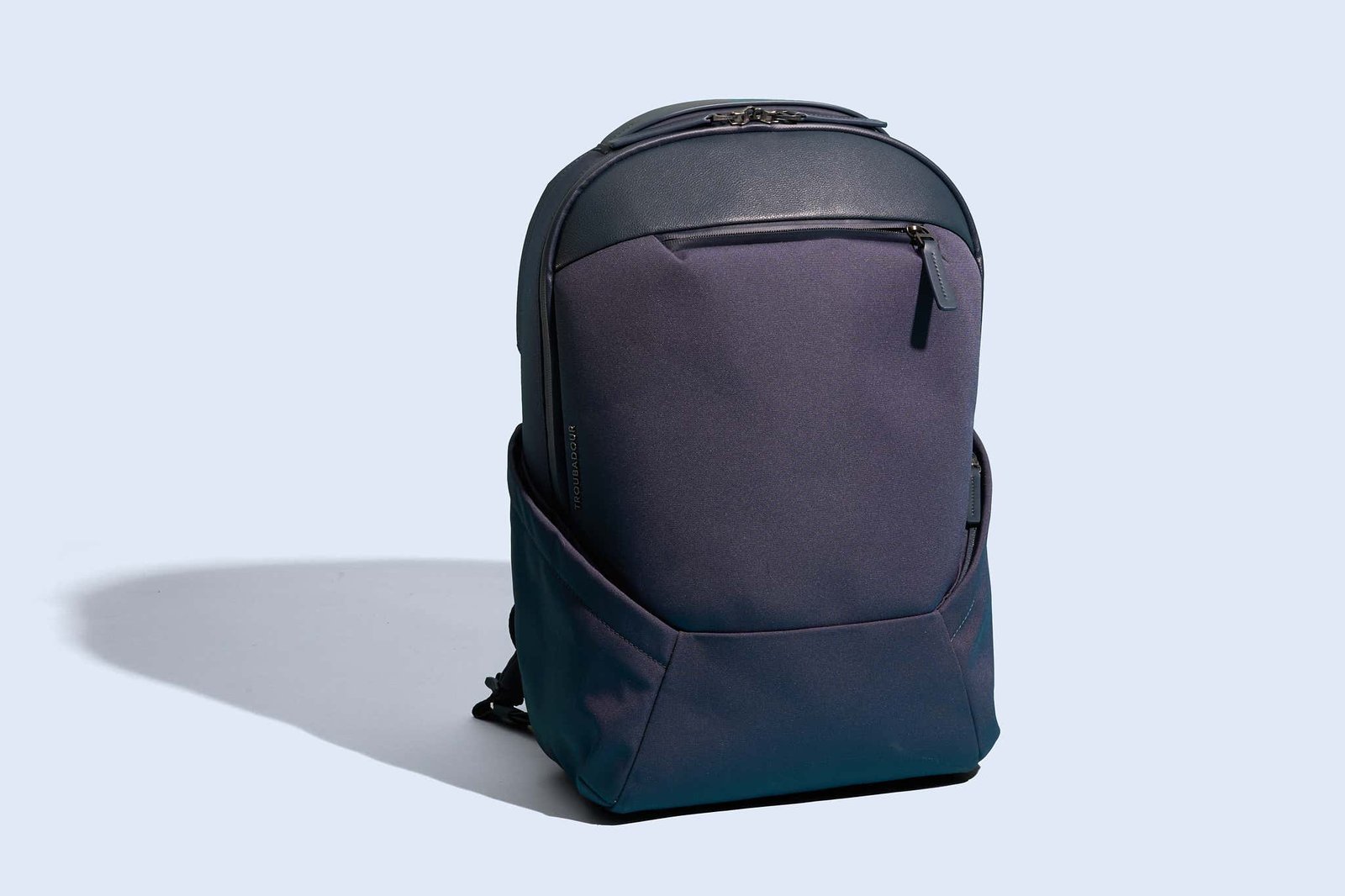
- Loosen all straps before putting the backpack on your back.
- Position the hip belt so the center rests over your iliac crest, which is the top of your hip bone.
- Tighten the hip belt snugly, as this is where most of the weight should rest.
- Pull the shoulder straps until they wrap comfortably over your shoulders without lifting the hip belt off your hips.
- Adjust the load lifter straps at the top of the shoulders to pull the pack closer to your body.
- Secure the sternum strap across your chest to keep the shoulder straps from sliding outward.
Tip: If the pack pulls on your shoulders, you have likely set the torso length too long. Adjust the harness downward until the weight shifts to your hips.
According to the American Academy of Orthopaedic Surgeons, carrying a pack that weighs more than 10% to 20% of your body weight increases the risk of injury. This limit varies by individual fitness, so check with your doctor if you plan on carrying heavy loads for long distances.
How long it takes
The time to fit a pack depends on your experience and how many adjustment points the specific model features.
| Situation | How long | What changes it | What to watch for |
|---|---|---|---|
| First-time fit | 15 minutes | Number of straps | Pressure points |
| Daily adjustment | 2 minutes | Gear volume | Belt slippage |
| Mid-hike tweak | 30 seconds | Terrain angle | Strap tension |
If you spend more than 20 minutes trying to get the straps to feel right, take the pack off and start over from the beginning. A frame that’s fundamentally the wrong size for your body will never feel comfortable, no matter how many times you adjust the settings.
How to tell when it’s done
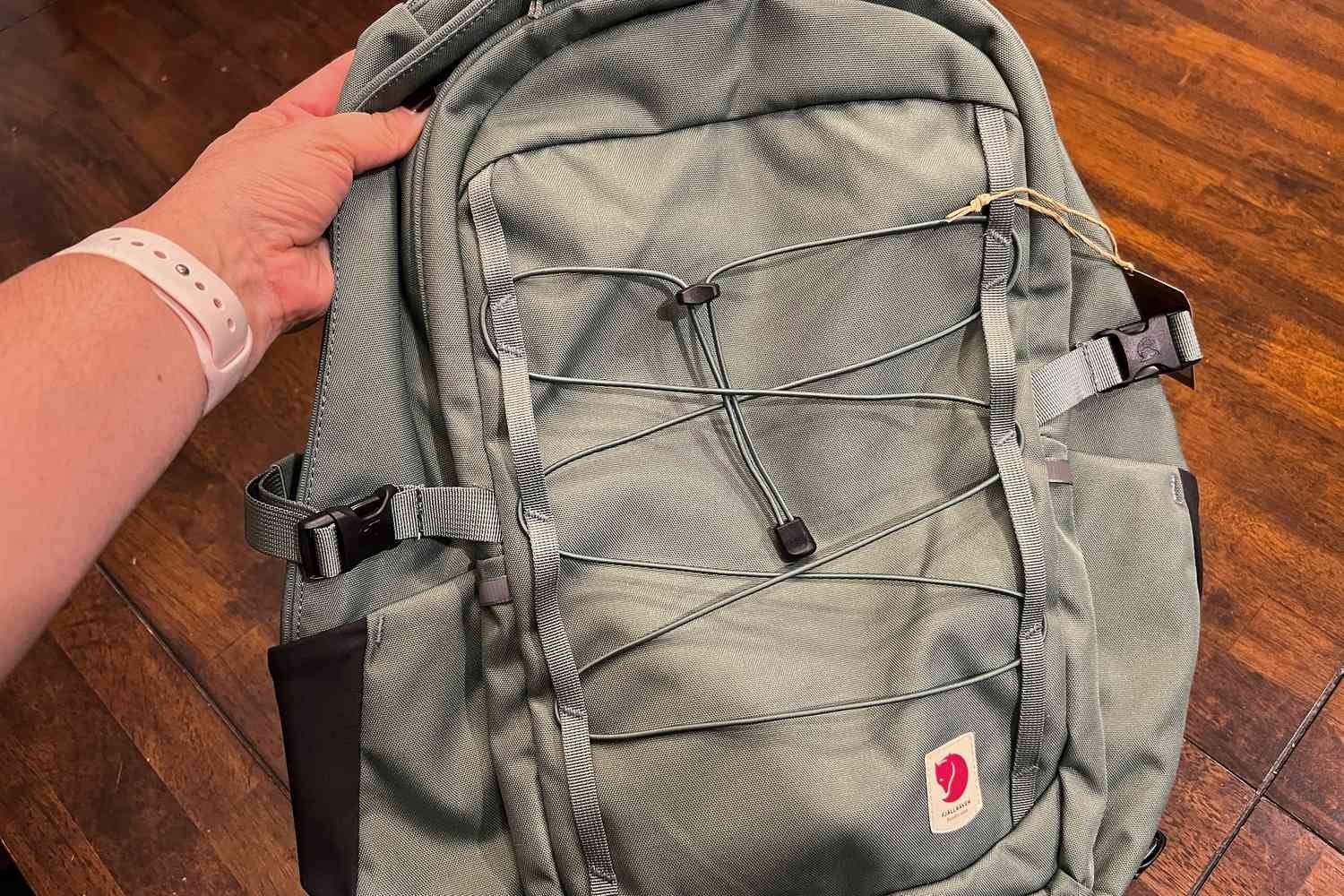
You know the fit is correct when you can stand straight without leaning forward to compensate for the weight. The hip belt should feel firm, and your shoulders should feel free to move without the straps digging into your neck. If you have a friend nearby, ask them to check the gap between your back and the pack; it should be minimal. If the weight feels like it’s pulling you backward or sliding down your hips, you must reset the harness. This isn’t for people who want a “one-size-fits-all” solution, as comfort is strictly individual.
Mistakes that ruin it
- Overloading the top: Carrying heavy items in the top lid shifts your center of gravity too high, which makes you unstable. Keep heavy items centered and close to your back to maintain balance.
- Neglecting the hip belt: Many people wear the belt around their waist instead of their hips, which prevents the frame from transferring weight correctly. Ensure the belt sits directly on the iliac crest to avoid shoulder pain.
- Ignoring the sternum strap: Leaving this strap loose allows the shoulder straps to pull outward, which restricts your arm movement and stresses your chest. Always keep it buckled to maintain a stable harness shape.
- Using the wrong torso size: Buying a pack that’s too long or too short for your spine makes proper weight distribution impossible. Always measure your torso length before choosing a specific model.
Frequently asked questions
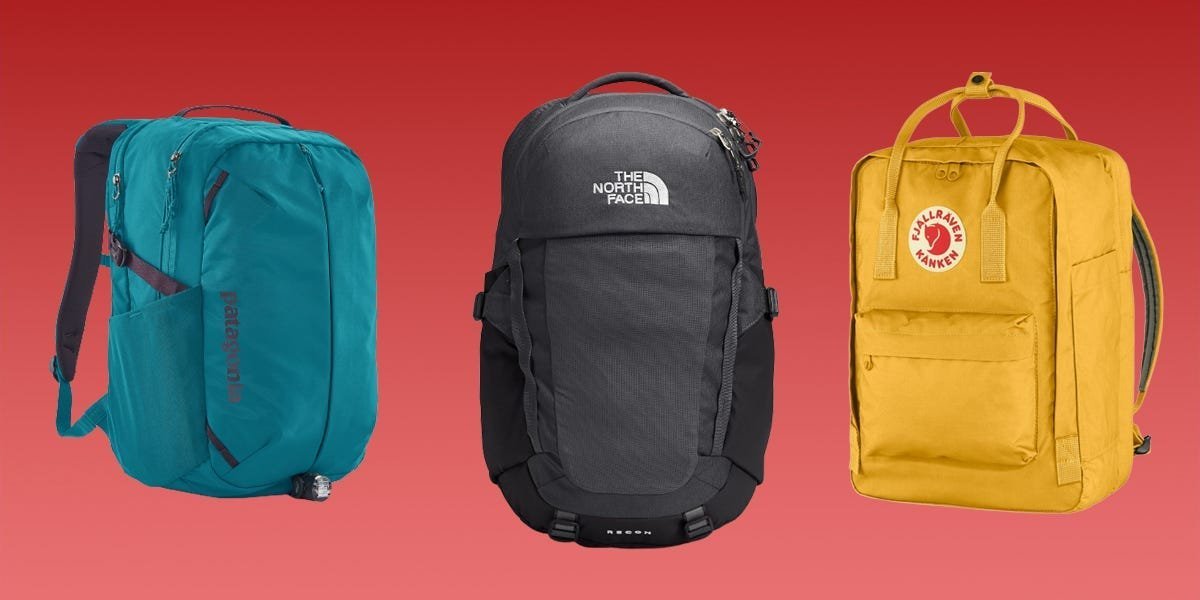
Can I use a regular school backpack for hiking?
No, school backpacks lack the internal frames and padded hip belts needed to support heavy loads. These packs are designed for books and light items, not for distributing weight across your hips. Using one for long hikes will cause significant shoulder and back pain after a short time.
Why does my lower back hurt while hiking?
Your lower back hurts because the hip belt is either too loose or positioned incorrectly on your hips. If the belt doesn’t carry the weight, your lower back muscles must work harder to stay upright. Tighten the belt until it carries the majority of the pack’s weight.
How long should a backpack last?
A high-quality hiking backpack lasts five to ten years with regular use and proper care. This varies by model and the materials used, such as the denier of the nylon fabric. Check the manufacturer’s label for specific care instructions to ensure the zippers and straps remain functional for longer.
Is it safe to carry a heavy backpack every day?
Yes, it’s safe if the pack is adjusted properly and stays under 20% of your body weight. If you carry heavy gear daily, focus on keeping the heaviest items closest to your spine. Stop if you feel numbness or tingling in your arms, as this indicates nerve compression.
What happens if the backpack frame is bent?
A bent frame prevents the pack from distributing weight evenly, which creates pressure points on your back. If the frame is metal, you might be able to bend it back, but usually, this indicates the pack needs a replacement. Don’t ignore a bent frame, as it will eventually cause discomfort.
Final Thoughts
Finding the right fit doesn’t have to be a chore. Once you head to a local shop, don’t be afraid to load a pack with weight and walk around for a few minutes. You’ll quickly feel which one moves with your body instead of against it. It’s worth the extra time.