
The best backpack for school is an ergonomic bag with padded shoulder straps and a weight capacity that doesn’t exceed ten percent of the student’s body weight. This recommendation assumes a healthy student; those with pre-existing back pain require specialized medical guidance.
The short version
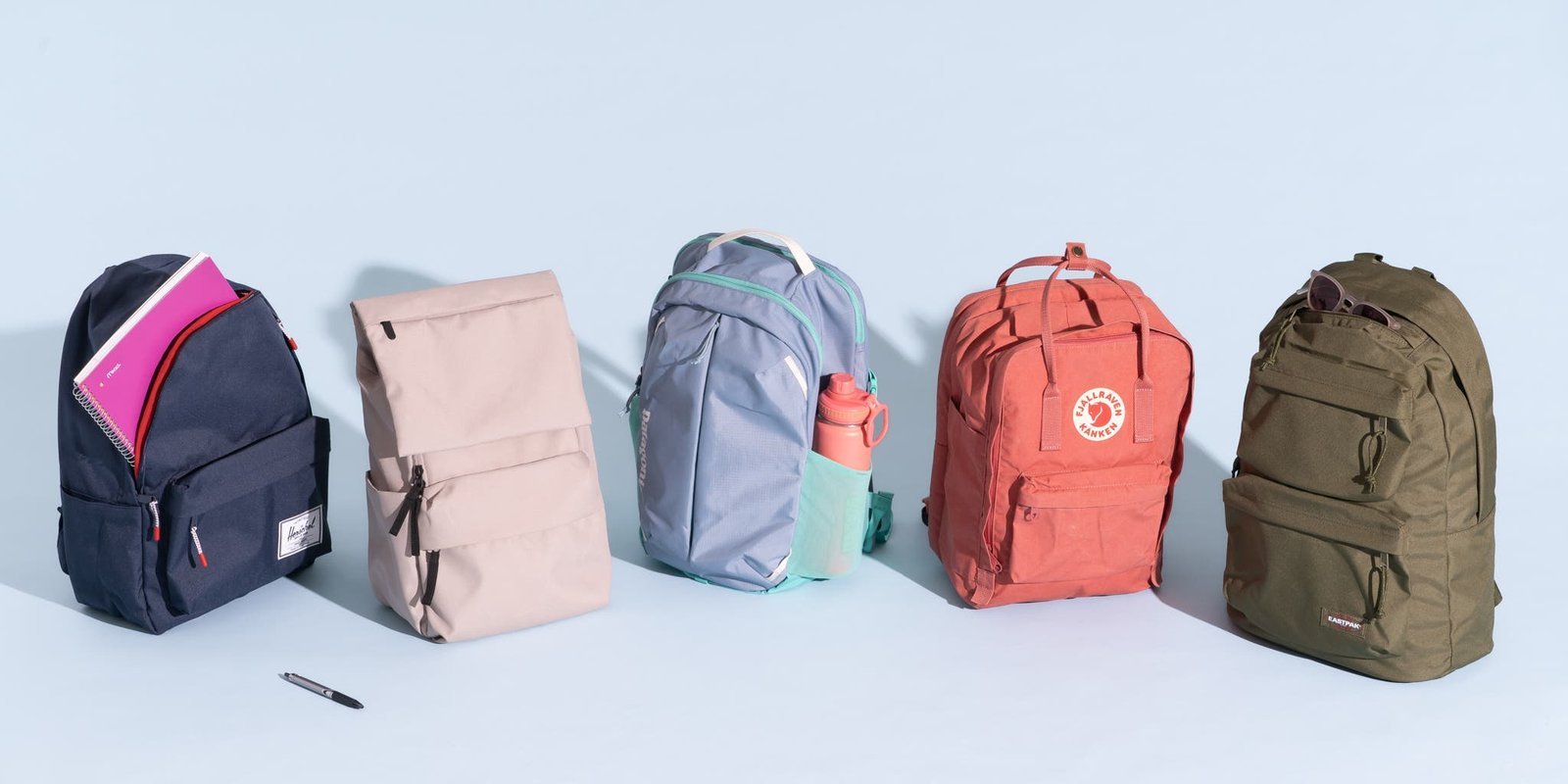
- Choose a bag with two wide, padded shoulder straps to distribute weight evenly across both shoulders.
- Ensure the backpack length doesn’t extend more than four inches below the waistline to prevent slouching.
- Use all available compartments to organize items, keeping the heaviest objects closest to the center of the back.
- Check that the total weight of the loaded bag remains under ten percent of the student’s body weight.
- Adjust straps every semester as the student grows to ensure the bag sits high and tight against the spine.
- Look for a bag with a padded back panel to protect the spine from sharp edges of books or binders.
Why ergonomic design matters for students
Proper distribution of weight is the core reason for choosing a high-quality backpack. When a bag hangs too low or pulls the shoulders backward, it forces the body to compensate by leaning forward, which creates unnecessary strain on the neck and spine. The American Occupational Therapy Association notes that proper backpack use helps prevent long-term musculoskeletal issues in children.
If a student carries a bag that’s too heavy or poorly fitted, the muscles in the back must work harder to maintain balance. This leads to fatigue and poor posture. A bag with thick padding and adjustable straps allows the weight to sit squarely on the strong muscles of the mid-back rather than pulling on the shoulders. This varies by model — check the label for the manufacturer’s recommended weight limit and strap adjustment instructions. You should always prioritize structural integrity over aesthetic choices to protect the student’s physical health during their developmental years.
When the answer is different
| Situation | What changes | What to do instead |
|---|---|---|
| Heavy textbooks | Weight distribution | Use a rolling backpack |
| Long distances | Comfort requirements | Choose a hip-belt model |
| Rainy climates | Material needs | Select waterproof nylon fabric |
| Small children | Size constraints | Use a miniature sized bag |
| Sports equipment | Capacity needs | Buy a dedicated gear bag |
How to do it properly
- Place the heaviest items, such as thick textbooks, closest to the back panel to keep the center of gravity near the spine.
- Tighten the shoulder straps until the backpack sits two inches below the shoulders, ensuring the bag doesn’t sag toward the lower back.
- Fasten any available chest or waist straps to keep the load stable, which prevents the bag from swinging while the student walks quickly.
- Check the total weight of the bag on a household scale weekly; it must stay under ten percent of the student’s own body weight.
- Inspect all zippers and seams for fraying regularly, as broken hardware can cause the load to shift suddenly during daily use.
- Adjust the strap length whenever you notice it’s needed to account for natural growth spurts, ensuring the bag remains centered on the upper back area.
The mistakes that ruin it
- Wearing the bag over only one shoulder causes uneven muscle strain and potential long-term spinal curvature.
- Carrying excessive items that exceed ten percent of body weight leads to chronic neck pain and poor posture.
- Leaving sharp objects loose inside the main compartment risks damaging the bag’s lining and poking the student’s back.
- Ignoring broken straps forces the student to carry the bag awkwardly, which causes immediate and severe muscle fatigue.
Frequently asked questions
Can a rolling backpack prevent back pain?
Yes, a rolling backpack can prevent back pain by removing the weight from the shoulders entirely. However, these bags are often heavy themselves and can be difficult to manage on stairs or in crowded school hallways.
How long should a school backpack last?
About one to two years is the typical lifespan for a high-quality school backpack. This assumes daily use with moderate loads; check the manufacturer’s warranty for specific durability claims or material guarantees related to your model.
Is it safe to carry a laptop in a school bag?
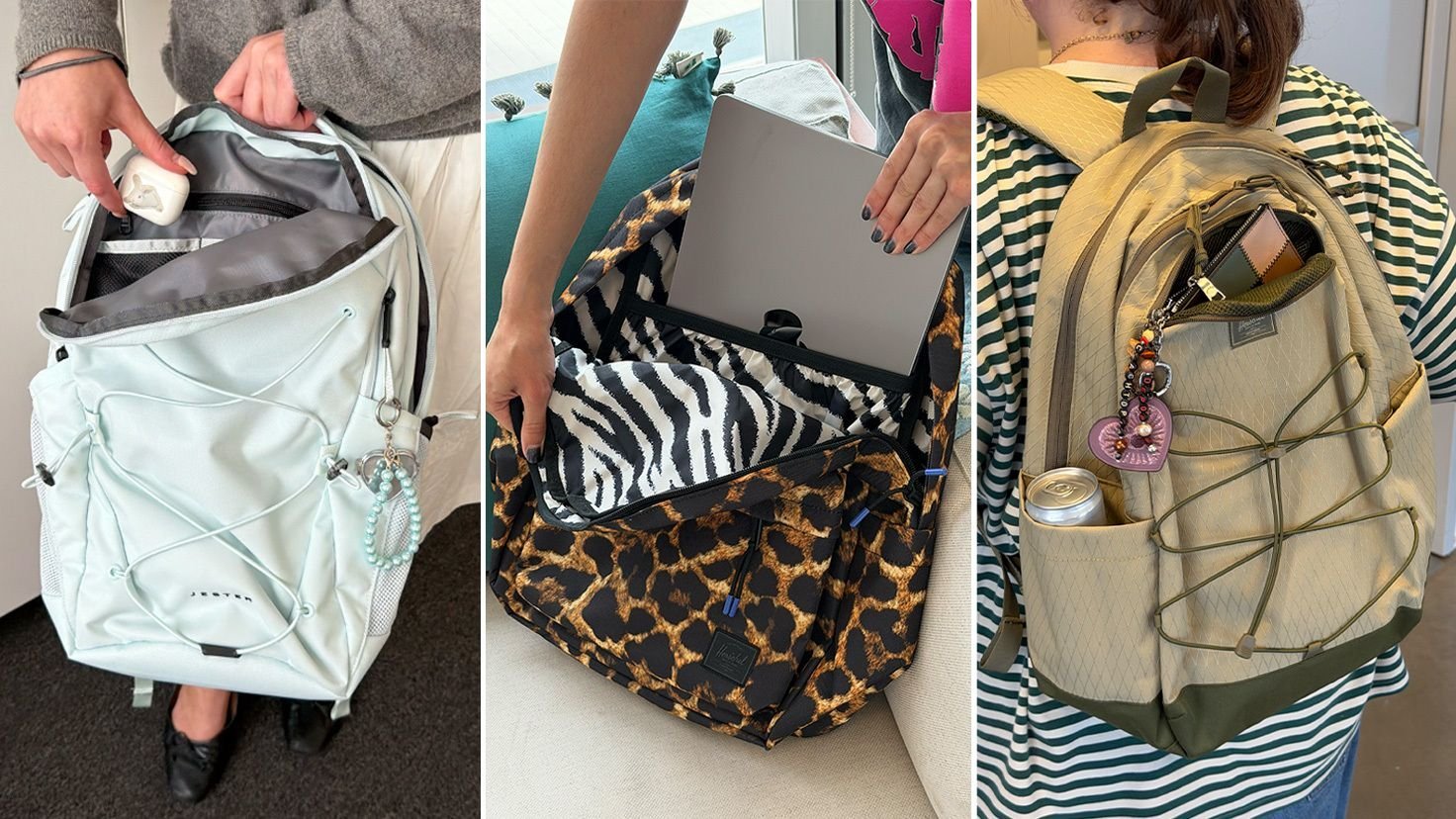
Yes, it’s safe if the bag includes a dedicated, padded laptop sleeve. Ensure the laptop is placed in the sleeve closest to the back panel to keep the heavy weight centered against the spine.
What happens if the bag is too heavy?
If the bag is too heavy, the student will likely experience muscle strain, fatigue, and neck pain. Over time, carrying too much weight can negatively impact the natural alignment of the spine during the growing years.
Does the material of the backpack matter?
Yes, the material matters for both weight and weather resistance. Lightweight nylon or polyester blends are generally better than heavy canvas, as they keep the bag’s base weight low and often provide better protection against rain.
How do I know if the bag fits correctly?
A correctly fitted bag should cover no more than three-quarters of the student’s back. If the bag extends past the waistline or reaches below the hips, it’s too large and will cause the student to slouch.
Final Thoughts
Finding the right fit doesn’t have to be a chore. Before you head to the store, grab a tape measure and check your current bag’s dimensions. It’s worth taking the time to try a few options on in person, as you’ll be carrying your gear every single day this year.