
To find good backpacks, shop directly from dedicated outdoor retailers like REI, brand-direct stores like Patagonia or Osprey, or school-supply outlets like Jansport. Selection depends entirely on your planned carry weight and daily usage needs.
The short version
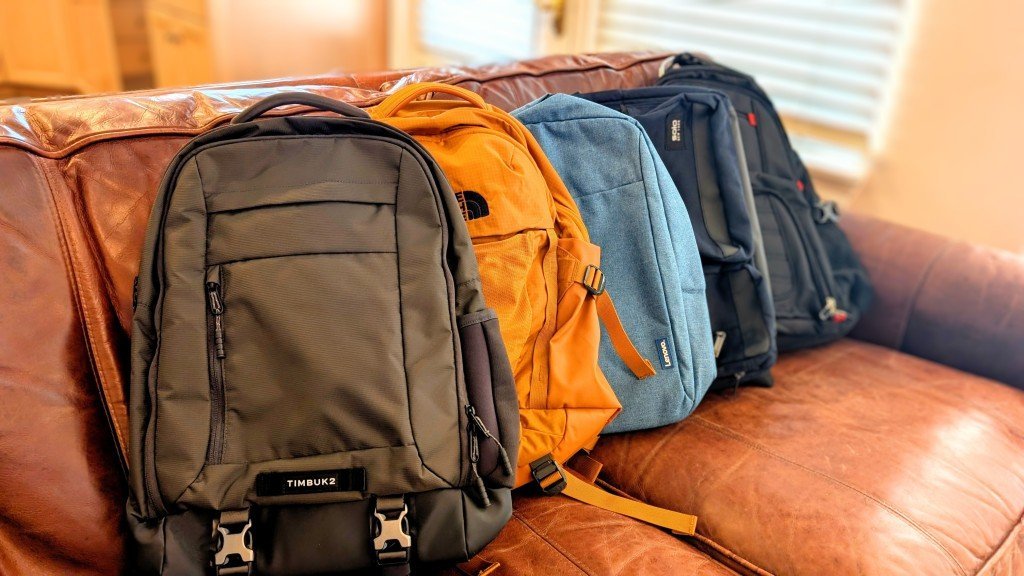
- Outdoor specialty retailers carry technical packs fitted to your torso length rather than your height.
- Direct manufacturer stores offer the clearest warranty claims for zipper blowouts and torn stitching.
- Commuter-focused shops sell bags with padded laptop pockets raised one inch off the pack bottom.
- General department stores stock affordable nylon models suited only for light campus loads under ten pounds.
- Specialty luggage stores offer travel-specific rucksacks with stowable shoulder straps and lockable zip sliders.
- Used gear outlets provide heavy-duty Cordura bags at half their original shelf prices.
Why bag construction separates retailers
Retailers stock bags based on the build methods of their suppliers. Cheap supermarket bags use low-density polyester fabric with plain polyurethane coatings that flake off after light moisture exposure. Specialist shops source bags built with high-denier nylon or Cordura, which stop tears before they spread across an entire panel.
Good bags also feature boxed stitching or bartacks at every shoulder strap anchor point. These stress points carry the full downward pull of your cargo. If a bag holds heavy books, the straps must connect to inner reinforcement webbing rather than single exterior seams. The Consumer Product Safety Commission backpack safety guidance warns that loaded bags shouldn’t exceed 10 to 20 percent of an individual’s body weight to avoid back strain.
When the answer is different
If you need a bag for extreme use, standard stores will fail you.
| Situation | What changes | What to do instead |
|---|---|---|
| Daily wet-weather cycling | Standard seams leak water instantly | Buy roll-top bags from bike stores |
| Multi-day mountain hiking | Back length determines internal balance | Visit outdoor stores for torso sizing |
| Frequent airline carry-on travel | Loose exterior straps jam conveyor belts | Buy stowaway travel packs from luggage retailers |
| Heavy high-school textbook carrying | Thin bag floors rip along lower seams | Choose high-denier nylon packs with reinforced bases |
| Rough construction site hauling | Soft nylon snags on tools and metals | Pick thick ballistic fabric from trade workwear shops |
How to do it properly
- Measure your back length from your C7 neck vertebra down to your iliac crest along your hip line.
- Choose your base volume capacity: pick 15 to 20 liters for short daily trips, or 25 to 30 liters for work.
- Check the base fabric thickness; you want nylon rated at 400-denier or higher for everyday commuting.
- Inspect the zippers to ensure they carry stamped #8 or #10 YKK logos on their metal sliders.
- Place a 10-pound test weight inside the main compartment to see if the bottom floor sags sharply downward.
- Pull both shoulder adjustment straps until the bag base sits comfortably above your lower beltline.
- Fasten the sternum strap across your mid-chest line to stop the shoulder pads from sliding outward.
The mistakes that ruin it
- Buying based on standing height instead of torso length, which leaves the hip belt resting high across your belly.
- Choosing thin unlined materials for school, leading to sharp book edges punching holes through the lower corners.
- Skipping the sternum strap adjustment, which forces your neck muscles to pull the heavy load forward all day.
- Overpacking lightweight fashion rucksacks past 15 pounds, causing the shoulder strap foam to crush down permanently.
Frequently asked questions
Can you buy good packs at big department stores?
No. General department stores focus on low retail prices, so they stock bags with thin foam, weak plastic buckles, and unsealed single-stitch seams that fail under heavy daily weights.
Is a higher fabric denier number always better?
No. High denier increases exterior tear resistance, but it also adds significant empty bag weight. A 500-denier Cordura fabric offers the best balance of strength and daily carrying weight.
Does backpack harness size match shirt size?
No. Pack harness size depends purely on the length of your spine from your neck down to your hips, so a tall person can easily require a small harness frame.
What happens if the laptop sleeve touches the floor?
Your laptop takes the direct impact every time you set the pack down. Always buy bags with a false bottom that suspends your computer an inch above the base.
How long should an everyday commute backpack last?
About five years. A quality commuter pack made from high-density nylon should endure daily travel, light rain, and subway floors for half a decade before seams start fraying.
Do lifetime backpack warranties cover zipper damage?
Yes, if the teeth split from normal pull tension. Warranties from major outdoor brands cover split teeth and failed slider pulls, but they reject fabric tears caused by accidents or sharp pet claws.
Final Thoughts
Before you commit to a purchase, head to a local shop to try on a few bags with some weight inside. You’ll quickly feel the difference in strap comfort and balance. It’s worth the extra time, as you’ll be carrying your gear for years to come. You won’t regret the effort.
Related guides