
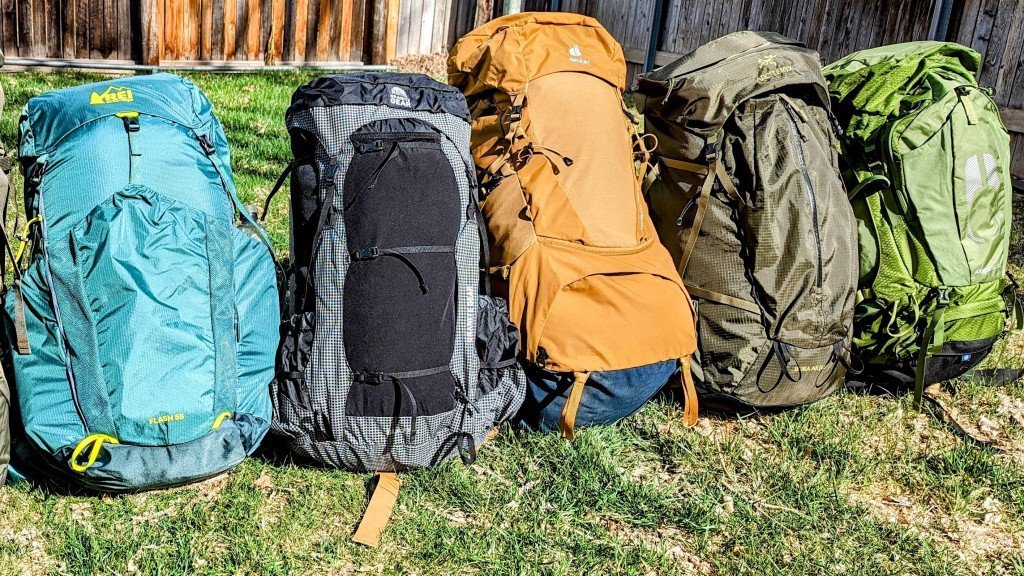
A backpack that is good for your back keeps the load close to your spine and distributes weight across your hips. If a pack is too wide or hangs too low, you risk muscle strain; a correct fit helps you avoid injury.
Safe and not safe
| Situation | Safe? | Why |
|---|---|---|
| Wearing over one shoulder | No | Causes uneven spinal pressure |
| Carrying over 15% body weight | No | Increases risk of back pain |
| Using both shoulder straps | Yes | Balances weight across back |
| Tightening the hip belt | Yes | Shifts load to stronger muscles |
| Carrying heavy items low | No | Pulls torso backward painfully |
| Straps digging into neck | No | Compresses nerves and causes irritation |
What the risk actually is
The primary risk of an poorly fitted bag is mechanical strain on the neck, shoulders, and lower lumbar region. When you carry a heavy load, your body naturally leans forward to compensate, which changes your posture and creates tension in the muscles surrounding the spine. According to the American Academy of Pediatrics, carrying a pack that exceeds ten to twenty percent of a child’s body weight can lead to significant pain and long-term postural issues. While these risks are most often discussed regarding children, adults face similar physical consequences when using bags without proper support systems. The likelihood of injury increases when you ignore the signs of discomfort, such as tingling in your arms or sharp pain in your mid-back. If your bag lacks a chest or hip strap, the entire weight pulls on your shoulders, which forces your spine to curve unnaturally to maintain balance.
The signs to stop immediately
- Numbness or tingling in your hands or arms, which means nerves are being compressed.
- Red marks or deep indentations on your shoulders, which shows the straps are too thin.
- A persistent leaning posture, which indicates the load is pulling your spine out of alignment.
- Sharp shooting pain in your lower back, which means the weight is exceeding your capacity.
- Difficulty standing upright after removing the bag, which shows significant muscle fatigue.
If you experience chronic pain, consult a physical therapist for a professional assessment.
Choosing a backpack that is good for your back
- Select a bag with wide, padded shoulder straps to spread the weight over a larger area of your body.
- Adjust the shoulder straps so the pack sits centered on your back, with the hip belt resting on your iliac crest.
- Load the heaviest items closest to the center of the bag, which keeps the weight near your body’s natural center.
- Tighten the hip belt until it sits snugly on your pelvic bone to transfer weight from your shoulders to your hips.
- Use the sternum strap to keep the shoulder straps in place and prevent the pack from shifting while you walk.
- Limit the total weight of your loaded bag to no more than fifteen percent of your own body weight for safety.
- Always use both shoulder straps simultaneously, as using one strap forces your spine to curve to compensate for the weight.
If it has already happened
If you feel acute pain after wearing a heavy bag, remove it immediately and rest your back on a flat, firm surface. Apply a cold pack to the area for fifteen minutes to reduce inflammation, then switch to heat after twenty-four hours if the muscle remains stiff. Avoid heavy lifting or repetitive bending until the discomfort subsides completely. If the pain persists for more than three days or if you notice weakness in your legs, you must seek professional medical help. Don’t attempt to “stretch out” the pain, as this can worsen an injury to your spinal discs.
Frequently asked questions
Can a heavy backpack cause permanent damage?
Yes, consistent misuse can lead to chronic posture changes or long-term musculoskeletal pain. While rare, extreme weight can compress spinal discs, so check your bag’s capacity and your own comfort levels to avoid lasting issues.
How long should I wear a backpack?
About one hour is the recommended limit for heavy loads before you should take a break.
Does the material of the backpack matter?
Yes, the material affects how the bag holds its shape when loaded. A bag made of rigid, structured fabric keeps the weight closer to your back, whereas loose, floppy materials allow the load to sag and pull on your spine.
Is a chest strap necessary?
Yes, a chest strap is essential for stabilizing the bag against your body. It prevents the shoulder straps from sliding outward, which keeps the weight centered and reduces the strain on your neck muscles while you’re in motion.
Why does my neck hurt after wearing a backpack?
It isn’t normal, and it usually means the straps are too long. When the bag hangs too low, it pulls your head and neck forward, creating tension that leads to pain in your upper traps and cervical spine.
Does the size of the backpack change the fit?
Yes, a larger bag requires a longer torso length for proper weight distribution. Check the manufacturer’s label for the recommended torso size, as a bag that’s too tall or too short will never sit comfortably on your hips.
Final Thoughts
Taking a few minutes to adjust your straps properly makes a world of difference for your comfort. You’ll feel the relief as soon as the weight shifts off your shoulders. Next time you head out, don’t just throw it on; take a moment to tighten those buckles and walk tall.
Related guides